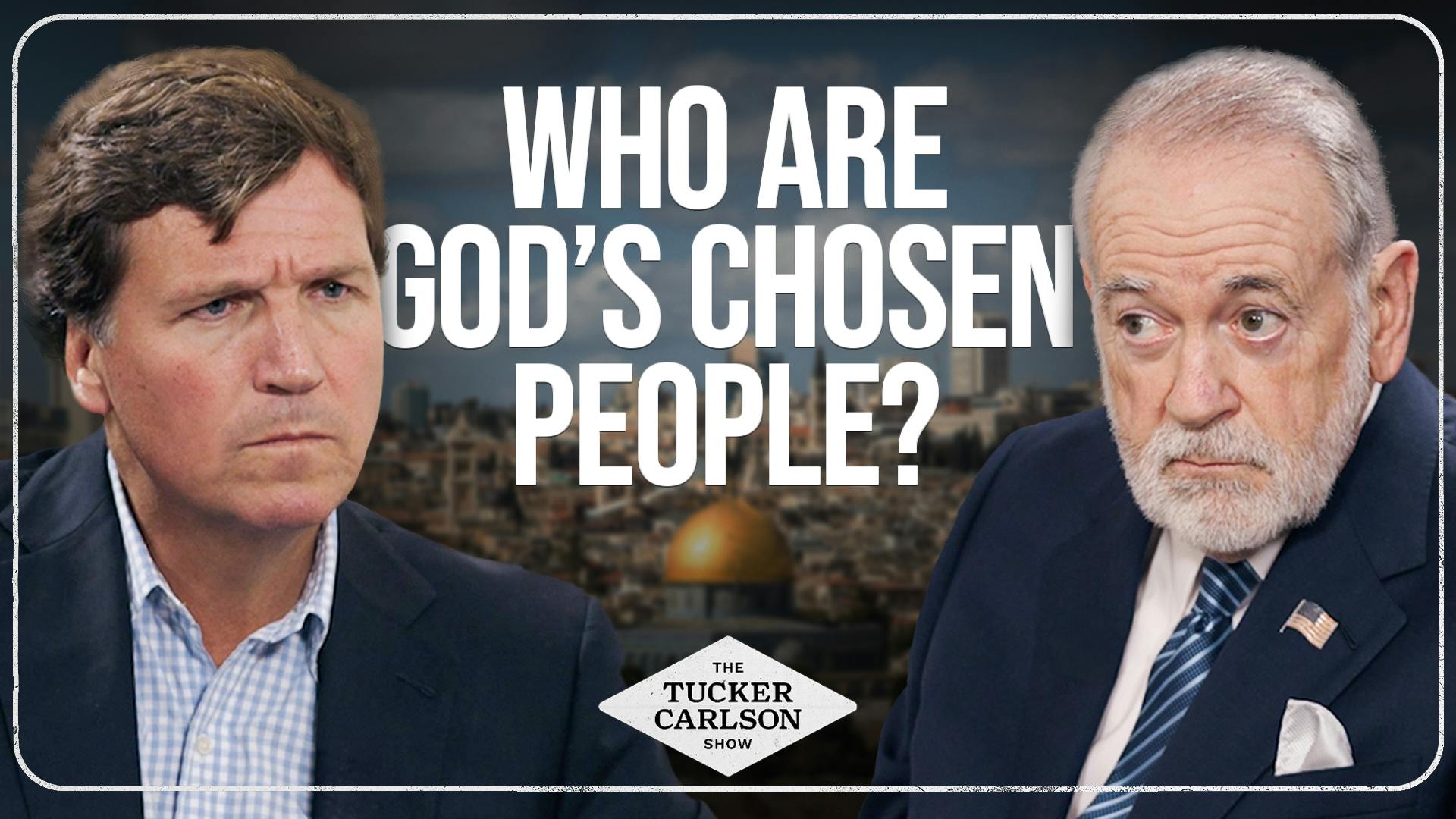
Overview of Tucker Confronts Mike Huckabee on America’s Toxic Relationship With Israel
This episode from the Tucker Carlson Network features a long, wide-ranging interview filmed at Ben-Gurion’s diplomatic terminal in Israel between Tucker Carlson and U.S. Ambassador to Israel Mike Huckabee. The conversation (and extensive preface) covers: the fraught logistics and security around the interview; accusations about who U.S. diplomats represent; Jonathan Pollard and other controversial meetings; Jeffrey Epstein documents; Christian Zionism and the theological/legal basis for Israel; the Gaza war, civilian casualties, and Netanyahu’s “Amalek” rhetoric; U.S.–Israel influence on American policy (esp. potential conflict with Iran); and the treatment and rights of Palestinians and Christian Palestinians. The on-camera interview runs roughly 2.5 hours; Tucker frames the episode with a detailed backstory about how the interview came together and security incidents involving his crew.
Key takeaways
- Tucker’s framing: He believes U.S. policy prioritizes Israel over American citizens’ interests — “your government will take the side of the Israeli government and not your side.” He argues Israel (and Netanyahu) are pushing the U.S. toward a regime‑change war with Iran, and that Americans lack influence relative to Israeli leaders.
- Embassy/security incident: Tucker reports unusual restrictions and an uncomfortable escorting arrangement, resistance to communicating their charter flight info to the Israeli military, and two producers temporarily detained/long‑questioned by Israeli authorities at the airport. He alleges the embassy did not intervene and that surveillance footage was later used to contest Tucker’s account.
- Huckabee on Jonathan Pollard: Huckabee confirms brief, non‑secret meetings with Pollard in Israel, frames them as routine courtesy interactions, and defends that such meetings are permissible at an embassy while condemning Pollard’s betrayal of the U.S. in principle.
- Jeffrey Epstein files & Israeli connections: Carlson presses Huckabee to call for release of classified Epstein documents; Huckabee says he hasn’t read them and will look into it, and notes he wasn’t previously aware of reports involving current Israeli officials as visitors to Epstein’s properties.
- Christian Zionism debate: A long theological exchange — Huckabee argues for a combined legal, historical and biblical basis for Jewish claims to the land; Carlson repeatedly presses for definitional clarity (borders, who constitutes “descendants,” ethnicity vs. religion), raises DNA testing hypotheticals, and expresses concern about preferential treatment.
- Gaza, civilian casualties and Amalek rhetoric: Huckabee defends Israel’s efforts to minimize civilian deaths, blames Hamas for using civilians as shields and for atrocities on Oct. 7; Carlson challenges Netanyahu’s “Amalek” references and raises concerns about language that can imply collective punishment or genocide.
- U.S.–Israel relationship & U.S. policy: Huckabee emphasizes the strategic/industrial ties and U.S. jobs generated by military aid; Carlson highlights perceived imbalance — many Americans opposed to war with Iran while Israel and its leadership press for action. Huckabee disputes the claim that Netanyahu is coercing the U.S. into a war Trump does not want.
- Palestinian Christians & freedom of worship: Carlson raises stories of native Palestinian Christians feeling marginalized (e.g., movement restrictions, settlers, checkpoints). Huckabee acknowledges incidents of harassment and argues security measures are responses to terrorism; both condemn mistreatment of Christians.
Notable exchanges & quotes
- Tucker: “If you're an American in Israel, you can be certain that your government will take the side of the Israeli government and not your side.”
- Huckabee on his Pollard meetings: “There’s no such thing as a secret meeting at the U.S. Embassy… the idea that it was secret was ludicrous.”
- On Netanyahu’s “Amalek” rhetoric, Carlson: “To say ‘Amalek’ and then wind up with massive civilian casualties — maybe not as big as elsewhere — is that kind of thinking consistent with Western values?”
- On civilian casualties and Hamas: Huckabee stresses Israel’s warning methods (phone texts, leaflets) and accuses Hamas of deliberately putting civilians in harm’s way.
- On Christian Zionism: Huckabee appeals to scripture + international declarations; Carlson presses for precise borders and asks how modern ancestry is validated.
Topics discussed (organized)
-
Pre-interview backstory and security issues
- Negotiations with U.S. Embassy, refusal to provide an embassy control officer to escort Tucker’s team.
- Embassy transferring coordination to Israel’s MFA; Tucker’s concerns after public attacks by Israeli officials.
- Charter flight info initially refused to be shared with Israeli military; producers interrogated at Ben‑Gurion and passports temporarily held.
- Surveillance footage and social‑media pushback used to dispute Tucker’s account.
-
Jonathan Pollard
- Huckabee: met Pollard twice (courtesy meeting at embassy), denies secrecy; condemns Pollard’s betrayal but defends routine contact.
- Tucker: critical of ambassadors hosting individuals convicted of espionage.
-
Jeffrey Epstein documents & Israeli ties
- Carlson: demands transparency and release of classified Epstein files; highlights reported visits by Israeli officials to Epstein properties.
- Huckabee: hadn’t read the files, willing to raise issues with Washington; emphasizes many priorities competing for attention in D.C.
-
Extradition of accused Americans in Israel
- Carlson cites cases (e.g., an Israeli official accused in U.S.) and asks if Huckabee has advocated for extradition.
- Huckabee: says extradition is DOJ-led; would assist if asked by Washington.
-
Christian Zionism and the “right to exist”
- Extended theological exchange on biblical vs. legal/historical bases for Israeli claims; questions of borders, identity (ethnic vs. religious), and who qualifies as descendants of Abraham.
- Carlson presses for clarification via DNA hypotheticals; Huckabee resists reduction to genetic tests, emphasizes historical continuity, scripture, and international legal foundations.
-
Gaza war, civilian casualties, and rhetoric
- Carlson probes civilian death tolls, IDF conduct, and whether Netanyahu’s language (Amalek) implies genocidal intent.
- Huckabee defends IDF precautions, criticizes Hamas tactics, and rejects the label of Israel committing genocide.
-
U.S.–Israel relations, influence, and potential conflict with Iran
- Carlson: argues Netanyahu has outsized influence over U.S. foreign policy; worries U.S. is being pulled toward war with Iran the public does not support.
- Huckabee: stresses bilateral partnership, economic returns from U.S. aid, and that Israel is not coercing U.S. leadership into unwanted wars.
-
Conditions of Palestinian Christians & movement/rights
- Carlson describes accounts of Christian Palestinians feeling marginalized (settler harassment, checkpoints).
- Huckabee recognizes incidents, attributes many restrictions to security needs following terrorism.
Interview tone & dynamics
- Carlson’s preface is combative, personal, and investigative: focused on accountability, national interest, embassy behavior, and broader U.S. foreign‑policy critique.
- Huckabee is affable, apologetic (opens by apologizing to Carlson for prior name‑calling), conservative in tone, deflects some accusations, and frequently emphasizes Israel’s security needs and historical/biblical claims.
- The exchange is prolonged and often circular when they debate abstract foundations (e.g., borders, identity), but they occasionally find agreement (opposition to Hamas atrocities; condemnation of hate and mistreatment of civilians).
Action items / recommendations for viewers
- Watch the full 2.5-hour interview if you want the full context — the summary compresses a lengthy, nuanced conversation.
- If you’re concerned about government transparency or specific cases mentioned:
- Review public reporting on the Epstein document releases and demand clarity about classified materials.
- Check DOJ and State Department statements on extradition cases referenced by Carlson.
- For readers interested in the theological/legal claims: read primary sources cited (Genesis 12/15/17, Balfour Declaration, League of Nations/UN resolutions) and recent legal analyses of “right of return” doctrines.
- If you’re evaluating U.S. foreign‑policy priorities, compare public opinion polling on a potential conflict with Iran to legislative oversight actions and administration statements.
Bottom line
This episode is both an interrogation of American policy toward Israel and a substantive, at times combative, conversation about theology, history, and current geopolitics. Carlson presses hard on accountability, embassy behavior, and perceived U.S. subordination to Israeli priorities; Huckabee defends Israeli security imperatives, emphasizes historical and biblical claims, and rejects several of Carlson’s more sweeping allegations. The interview is useful for viewers who want a lengthy, unfiltered exchange covering the moral, political, and practical tensions at the core of U.S.–Israel relations today.