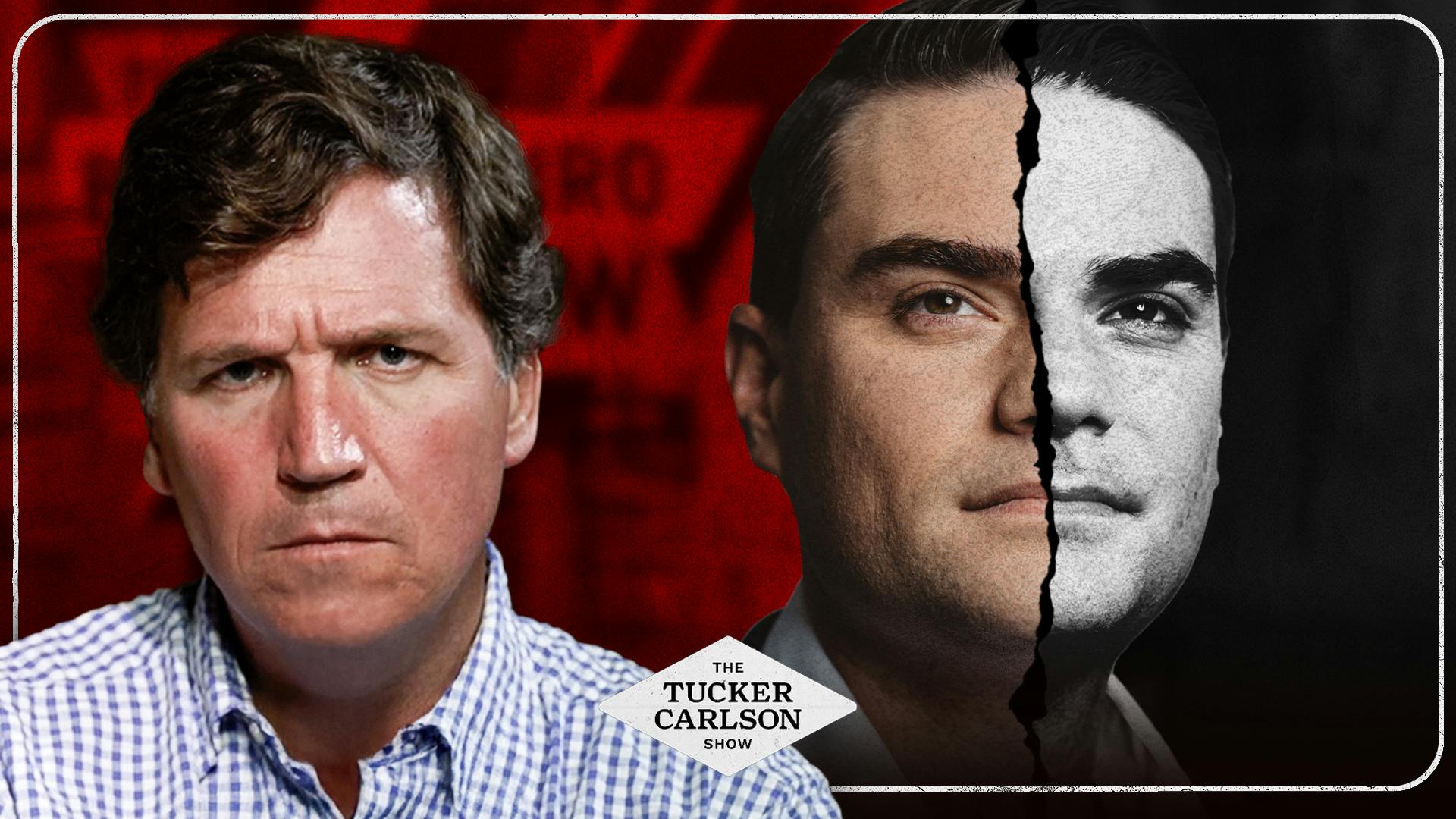
Overview of Tucker Carlson on the Israel First Meltdown and the Future of the America First Movement
This episode (Tucker Carlson Network) frames the current infighting on the American right as a deeper, long-running clash over whether U.S. policy should prioritize American national interests (America First) or follow the strategic priorities of a foreign ally (described here as “Israel First”). Carlson traces the fight back to interactions between the Trump White House and Prime Minister Benjamin Netanyahu after Trump’s January inauguration, argues that the push for U.S. military action against Iran was framed as an antisemitism issue to silence opponents, criticizes right‑wing media figures who use dehumanizing rhetoric (notably Mark Levin and, separately, Ben Shapiro), and calls for self-restraint, debate focused on U.S. interests, and rejection of identity‑politics and censorship. The episode ends with an on-camera conversation with guest Anna Kasparian, who largely concurs on avoiding dehumanizing rhetoric and defending free speech while criticizing U.S. foreign policy choices.
Main takeaways
- The public “Nazi/anti‑Semite” fight on the right is a manifestation of a deeper policy dispute: whether the U.S. should be drawn into regime‑change efforts for Israel (notably against Iran) or prioritize domestic, America‑First concerns.
- Carlson argues pro‑war advocates avoided debating policy on its merits and instead weaponized accusations of antisemitism to silence dissent.
- He condemns what he calls identity‑politics and censorship on the institutional right, painting it as a betrayal of conservative principles (free speech, national interest).
- Dehumanizing language (e.g., calls for collective punishment) is dangerous, can incite violence, and risks turning critics into the very people they oppose.
- Carlson urges personal accountability (apologize when you dehumanize others), restraint, and refocusing political energy on domestic priorities.
- Guest Anna Kasparian echoes much of the theme: reject smears, avoid hateful rhetoric, defend free speech, and prioritize Americans’ needs in policymaking.
Topics discussed
- Background narrative: Netanyahu visits Trump (Jan), push for U.S. support for military action vs. Iran, resulting U.S. military responses and aid to Israel.
- How debates were reframed from policy to accusations of antisemitism and Nazism.
- Critique of Mark Levin: personal attacks, dehumanizing rhetoric, calls Carlson frames as advocating collective punishment/genocide.
- Critique of Ben Shapiro: alleged contempt for ordinary Americans, prioritizing foreign policy goals and cultural issues selectively.
- Dangers of identity politics and censorship within conservative institutions (think tanks, media).
- Moral and practical dangers of dehumanization: historical analogies (Nazis, Amalek), escalation to violence, risk of domestic political violence.
- Calls for AIPAC/foreign‑lobby transparency and re‑centering U.S. policy on national interest.
- Personal accountability anecdotes: Carlson’s apology to Liz Cheney; Anna Kasparian’s apology to journalist Aaron Maté.
- Guest segment: conversation with Anna Kasparian about smears she faced, threats, and shared commitments to rejecting dehumanization and defending speech.
Notable quotes and claims (representative)
- “This was never about the Jews or anti‑Semitism… It was about when to use military force and to what extent should you follow the lead of a much smaller nation.”
- “If the government is not representing its own citizens, it’s illegitimate.” (framing of America First principle)
- Carlson accuses some pro‑Israel voices of making debate about “why do you hate the Jews” to intimidate opponents and avoid substantive policy discussion.
- Carlson criticizes Mark Levin for rhetoric that he says amounts to collective punishment or genocide; he presents clips and paraphrases to claim Levin endorsed extreme measures.
- Criticism of media and elites: “They’re committed to identity politics… and censorship.”
- Anna Kasparian: “Don’t become what you claim to hate” and a call to reject smears and preserve common humanity in debate.
Fact‑sensitive/contested claims called out in the episode:
- The transcript asserts “Charlie Kirk was murdered.” That claim is false — Charlie Kirk is publicly alive. (The transcript appears to contain factual errors or hyperbole; treat such statements cautiously.)
- The episode presents a politicized narrative about U.S. military actions, lobbying influence, and discrete leaders’ motives; these are framed as Carlson’s analysis and often include strong editorial interpretation.
Guest segment — Anna Kasparian (summary)
- Kasparian recounts being smeared as antisemitic after criticizing Israeli policy and says she experienced threats and harassment (an episode while walking her dog is described).
- She emphasizes apologies and accountability — she publicly apologized to Aaron Maté for a prior smear and urges others to do the same to avoid escalation.
- Kasparian argues for focusing on American priorities and resisting attempts to weaponize antisemitism labels against critics of foreign policy.
- She and Carlson find common ground: oppose dehumanizing rhetoric, defend free speech, and prioritize domestic needs.
Recommendations / action items promoted in the episode
- Reframe public debate to focus on U.S. national interest: ask whether specific foreign actions serve Americans first.
- Reject identity‑political silencing: do not allow accusations of antisemitism (or similar labels) to substitute for policy debate.
- Avoid dehumanizing language; apologize when you cross that line and hold others to the same standard.
- Protect free speech: be wary of censorship and deplatforming as tools to resolve political disagreements.
- Push for transparency about foreign lobbying and consider whether organizations should register appropriately (Carlson suggests AIPAC as an example).
- Prioritize domestic policy problems (debt, healthcare, predatory lending, housing, drug overdoses) in political organizing and voting.
Caveats, tone, and fact‑checking notes
- This summary follows the episode’s editorial frame and arguments. The show mixes empirical claims, editorial interpretation, and emotional rhetoric; consumers should distinguish documented facts from rhetorical assertions.
- As noted, the transcript contains at least one clear factual error (claim that Charlie Kirk was assassinated). Cross‑check any extraordinary factual assertions (e.g., specific violent events, foreign visits, or arrests) with independent reporting before treating them as established.
- Several strong accusations are attributed to named media figures (Mark Levin, Ben Shapiro). The episode contains clips and paraphrases; listeners should verify context directly from original clips if accuracy is required.
Bottom line
The episode argues the present conservative infighting is fundamentally a struggle over whether U.S. policymakers will act in America’s interest or defer to a foreign ally’s agenda, and it warns that identity‑political tactics, dehumanizing rhetoric, and censorship are both morally corrosive and politically self‑defeating. Carlson calls for refocusing debate on domestic priorities, personal accountability (apologies and restraint), and defending free expression — a position Anna Kasparian largely echoes in the guest conversation.