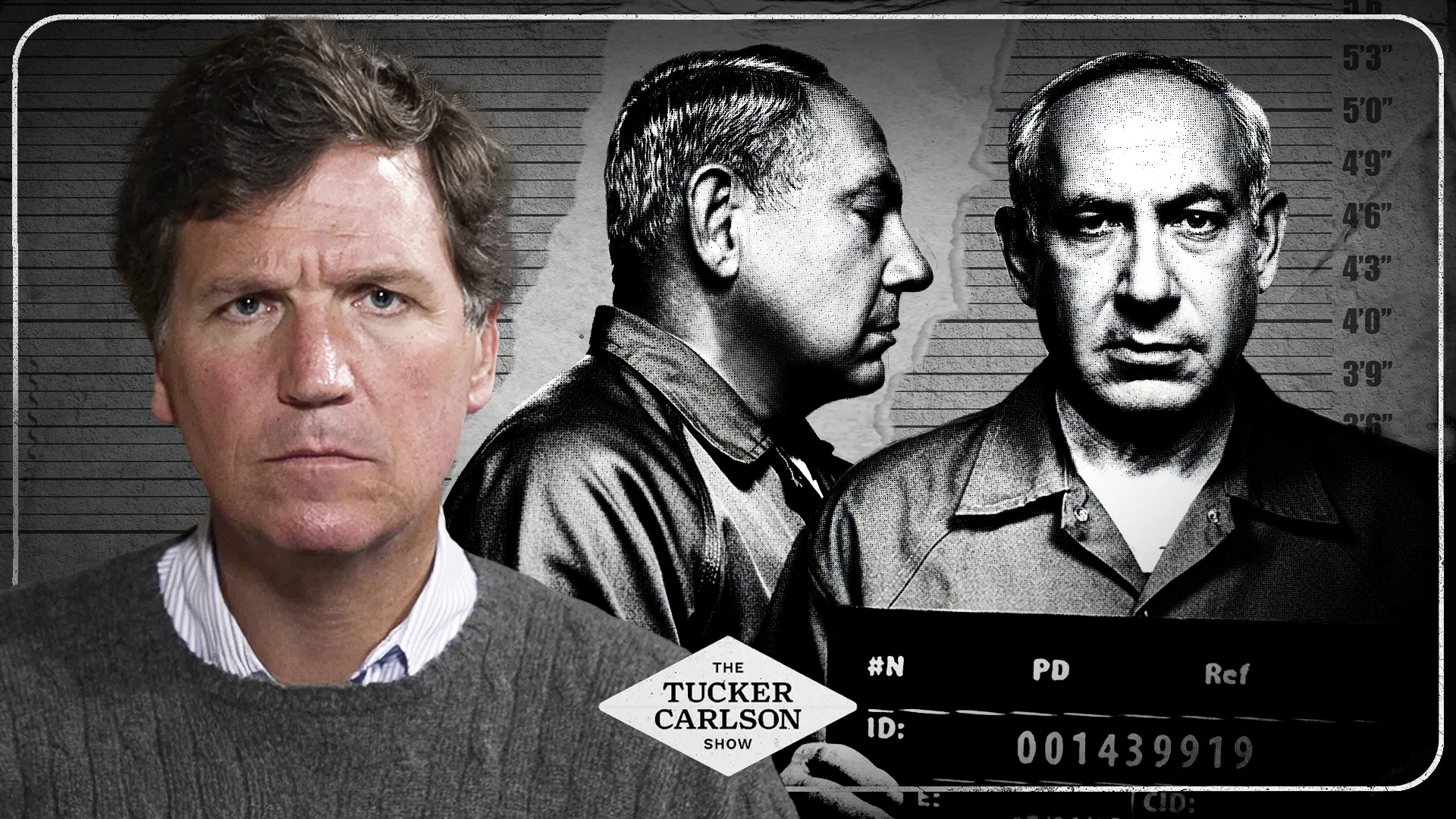
Overview of Tucker Carlson Network interview with Alex Gibney
This episode discusses Alex Gibney’s documentary (referred to as the "BB Files") based on leaked police-interrogation footage of Israeli Prime Minister Benjamin Netanyahu and associates. Gibney—who produced the film, directed by Alexis Bloom—says his team obtained over 1,000 hours of police interrogation tapes stemming from a corruption investigation that began in 2016. The interview covers what the tapes reportedly show about Netanyahu’s character and alleged corruption, how those allegations intersected with domestic politics and the October 7 Hamas attack, and the challenges the filmmakers faced getting the story distributed in major U.S. media.
Key takeaways
- The tapes: Gibney says the material includes police interrogations of Benjamin Netanyahu, his wife Sara, his son Yair, and close aides (e.g., Nir Hefetz), plus major figures linked to Netanyahu (Arnon Milchan, the Adelsons). The footage had not been publicly seen in video form before the film.
- Central allegations: The documentary frames the Netanyahu investigation as bribery/corruption—ranging from expensive gifts (Cuban cigars, jewelry) to alleged media deals worth hundreds of millions (linked to favorable coverage on the Walla news site).
- Political consequences: Gibney argues Netanyahu tried to protect himself by pushing judicial reforms (before October 7) that would weaken the judiciary—reforms that triggered widescale protests in Israel.
- Relationship with Hamas/Qatar: The film presents interviews and testimony suggesting Netanyahu allowed money (including cash from Qatar) to flow to Hamas as part of a broader strategy to weaken the Palestinian Authority and facilitate expansion of West Bank settlements. Gibney and witnesses interviewed for the film say Netanyahu believed he could “manage” or “control the height of the flames” by influencing Hamas.
- October 7 and the war: After the Hamas attack on October 7, Israel’s focus shifted to war. Gibney suggests the wartime spotlight has politically benefited Netanyahu by reducing the likelihood of him being held accountable—an argument advanced by several Israeli security witnesses in the film. The interview links the escalation (Gaza, Lebanon, and regional tensions with Iran) to longer-term political goals and to Netanyahu’s desire to remain politically dominant.
- Film premiere and distribution: The film was presented at the Toronto Film Festival (2024). Netanyahu attempted, unsuccessfully, to block the premiere. Gibney says some mainstream U.S. media (he names NBC) declined to run coverage pre-premiere, citing concerns about upsetting Netanyahu and affecting access—an example he uses to discuss broader distribution and press-freedom challenges.
What the tapes reportedly reveal about Netanyahu (film’s interpretation)
- Personal character: Gibney describes Netanyahu on tape as defensive, petty, willing to lie, and determined to protect his position—contrasting the statesmanlike image he cultivates publicly.
- Family behavior: According to the footage the film shows, Sara Netanyahu appears entitled in questioning; Yair Netanyahu is shown angry and confrontational with police.
- Political strategy: The film argues Netanyahu cultivated right-wing coalitions (notably with figures like Itamar Ben-Gvir and Bezalel Smotrich) and pushed policies (judicial reform, settlement expansion) that aligned with those allies—and that some moves were motivated by a desire to blunt legal jeopardy.
Notable quotes and phrases from the interview/film
- Gibney’s metaphor: the tapes are “like Toto pulling back the curtain” on the Wizard of Oz—revealing the man behind the image.
- Alleged Netanyahu posture: “keep your friends close and your enemies closer” — presented as an example of how he discussed managing relationships and power.
- Film claim about control strategy: Netanyahu said he could “control the height of the flames” (referring to his purported ability to manage Hamas via cash flows).
Topics discussed in the interview
- Details of the corruption allegations and specific items/gifts mentioned (cigars, jewelry, loan forgiveness, media deals).
- The 2016–present Israeli corruption investigation and ongoing trial.
- Netanyahu’s judicial overhaul efforts and resulting mass protests.
- The role of settlement expansion and hard-right coalition partners in Netanyahu’s strategy.
- Possible intelligence/political failures or manipulation surrounding the October 7 Hamas attack and ensuing scrutiny over what Netanyahu knew or should have known.
- How war changes political dynamics and can shield leaders from accountability.
- Challenges in producing and distributing investigative documentary material—legal risks, secrecy, funding, and mainstream media reluctance to run controversial pieces.
- Concerns about press freedom and censorship pressures both in Israel and the United States.
Production, legal and distribution notes
- Source secrecy: Gibney declined to identify the source(s) of the tapes, saying only that his team obtained and verified them and kept production secret to avoid legal interference.
- Funding and secrecy: The film was produced independently; Gibney said raising money and keeping the project confidential were challenging but achievable once initial footage convinced backers.
- Media gatekeeping: Gibney recounts a missed broadcast opportunity with NBC, which he says backed away because it feared upsetting Netanyahu and losing access—he uses this as a critique of mainstream outlet caution around controversial global stories.
Implications and context (as presented in the interview)
- If the film’s claims are accurate, they suggest a continuity from alleged personal corruption to policy choices that had major national and regional consequences.
- The wartime environment has political effects—boosting nationalism and rallying support for leaders in conflict, making legal accountability more difficult in practice.
- The episode raises questions about how mainstream media decide which politically sensitive stories to cover and about the vulnerability of independent journalism/documentary work to political pressures.
Caveats
- Gibney presents these claims and interprets the tapes; the interview frames many points as allegations or the film’s argument, not independent legal findings. Several claims (e.g., precise money flows, Netanyahu’s intent regarding October 7) are contested or remain subject to legal and investigative processes.
- Some figures and causal links (e.g., exact motives for the war or direct intent to avoid prosecution via warfare) are interpretive and debated; the film advances a thesis supported by its sources.
Recommended next steps for viewers
- Watch the documentary ("BB Files") to see the footage and evidence Gibney references.
- Read reporting from multiple sources (Israeli and international) about the corruption case, the judicial overhaul protests, and post–October 7 inquiries to place the film’s claims in broader context.
- Pay attention to legal updates on Netanyahu’s ongoing trial and to independent investigations into the October 7 intelligence failures.