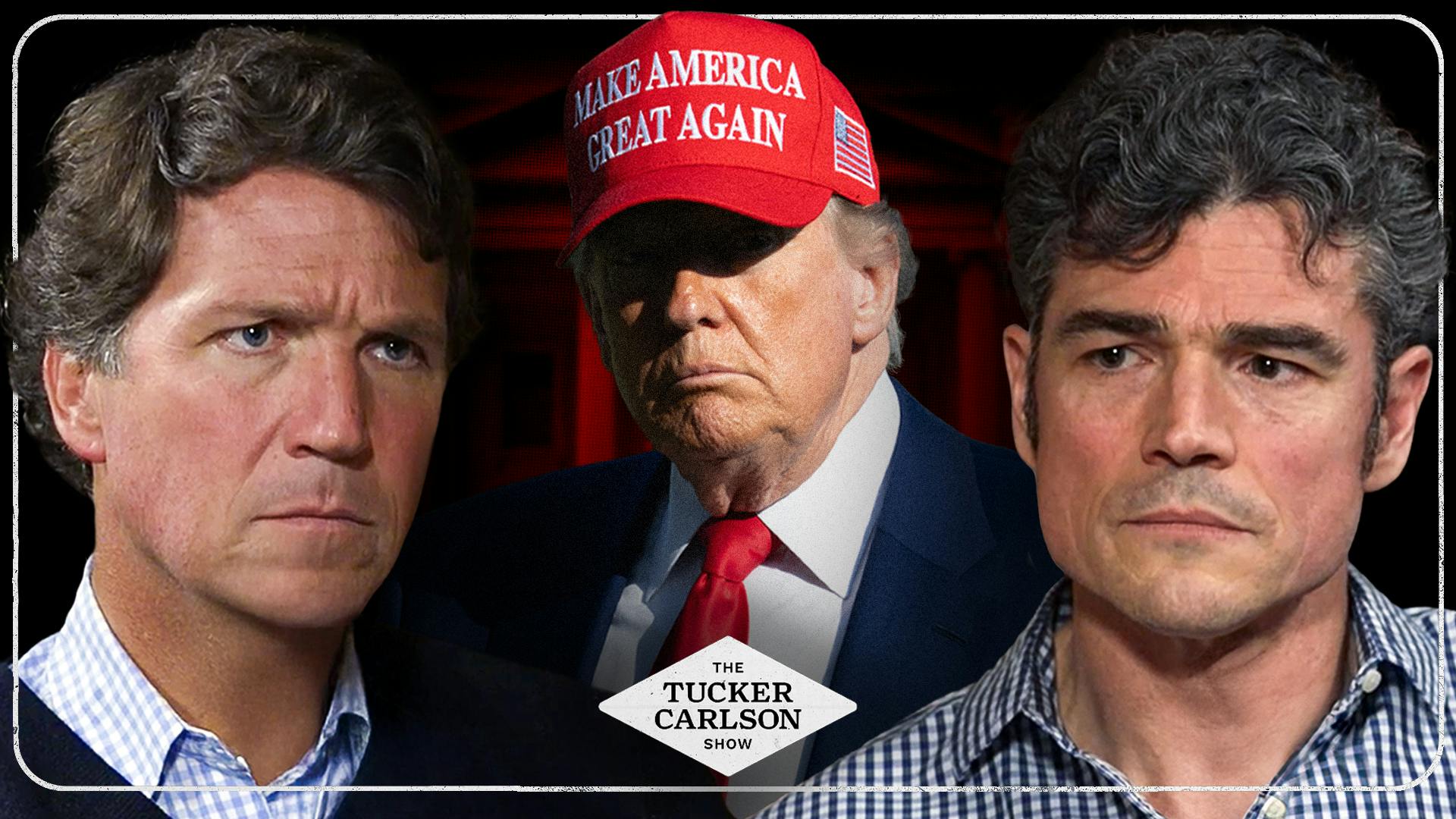
Overview of Joe Kent Reveals All in First Interview Since Resigning as Trump’s Counterterrorism Director
Tucker Carlson (Tucker Carlson Network) interviews Joe Kent — recently resigned director of the U.S. National Counterterrorism Center (NCTC) — about why he left and what he believes drove the U.S. into the current war with Iran. Kent argues there was no intelligence showing an imminent Iranian threat to the United States, contends that Israeli officials and a pro‑war media/lobby "ecosystem" pushed the U.S. into conflict, warns of domestic terror blowback and strategic loss to China, and urges urgent diplomatic action and truth‑telling to avert catastrophe.
Key points and main takeaways
- Kent's resignation reason: He “cannot in good conscience support the ongoing war in Iran.” He claims no U.S. intelligence indicated an imminent Iranian attack on the U.S. or an imminent nuclear breakout.
- Israeli influence: Kent says high‑level Israeli officials and allied U.S. media/think‑tank voices moved U.S. policy by shifting the “red line” (from nuclear bombs to any enrichment) and pressing for offensive action and regime change.
- Intelligence pipeline concerns: Kent describes gatekeepers, compartmentalized decision‑making, and an absence of robust interagency debate; he says some crucial dissenting assessments were not presented to the President.
- Different objectives: According to Kent, U.S. stated goals (preventing a nuclear weapon) differ from Israeli goals (regime change), creating dangerous misalignment and incentives to entangle the U.S.
- Blowback and homeland risk: Kent and Tucker highlight increased risk of lone‑actor and inspired terrorist attacks inside the U.S., exacerbated by porous borders and online propaganda.
- Bureaucratic obstruction of investigations: Kent alleges the NCTC was blocked from fully investigating potential foreign links in high‑profile incidents (notably Charlie Kirk’s public murder and other security breaches); he says data requests were allowed to “die on the vine.”
- Strategic stakes: Both men argue a prolonged regional war benefits China (distracts/weakens the U.S.), risks global energy disruption (Strait of Hormuz, LNG facilities), and threatens the dollar/petrodollar system.
- Proposed exit path: Kent recommends President Trump forcefully restrain Israeli offensive operations, leverage Gulf partners for ceasefire/diplomacy, negotiate limited sanction relief tied to dollar‑settled energy trade, and use robust diplomacy to de‑escalate.
Topics discussed
Imminent threat and nuclear program
- Kent: No intelligence showed Iran poised to attack the U.S. or to be at an immediate threshold of developing a nuclear weapon.
- Claim: Media/think‑tank narratives shifted U.S. policy toward “no enrichment” as the de facto red line, undermining negotiation space.
Role of Israel and U.S.–Israeli relationship
- Kent: Israeli leaders repeatedly lobbied/pushed policy; their objective (regime change) differs strategically from the U.S. goal as he sees it.
- Concern: Israel’s tolerance for broader civilian harm and different operational standards can entangle the U.S. politically and morally.
Internal U.S. decision processes and gatekeeping
- Kent: Key dissenting intelligence views were not properly briefed to the President; decision circle was “small and in the same sheet of music.”
- Tucker/Kent argue this silencing of dissent mirrors historical patterns where critics are punished and advice suppressed.
Domestic security and blowback
- Kent: Biggest near‑term risk is lone‑actor or inspired attacks within the U.S., amplified by open‑border issues and online propaganda; NCTC produced assessments warning of increased domestic risk.
- He cites testimony that the administration’s border handling has allowed many potentially suspicious migrants into the country.
Investigations into high‑profile incidents
- Kent claims NCTC was blocked from pursuing leads on Charlie Kirk’s murder and other security incidents; he says important investigative requests weren’t fulfilled by other agencies.
- He expresses frustration at official reluctance to answer basic investigative questions or release materials (e.g., surveillance footage).
Strategic alternatives and solutions
- Immediate: Pressure Israel diplomatically to cease offensive unilateral actions; warn of withdrawal of specific U.S. support if they continue.
- Negotiation: Use Gulf partners (UAE, Qatar, Saudi, Oman, Bahrain) to mediate and press Iran into a ceasefire and energy‑sector arrangements.
- Economic leverage: Consider targeted sanction relief tied to reintroduction of Iranian energy into global markets settled in dollars (protecting the petrodollar).
- Transparency: Urges radical truth‑telling and declassification to restore public trust and prevent repeating mistakes.
Notable quotes and insights
- “Iran posed no imminent threat to our nation.” — Joe Kent (central claim behind his resignation)
- “If we get deeply involved and deeply entangled with Iran, we are playing right into China’s hands.” — Tucker Carlson summarizing Kent’s warning about strategic consequences.
- “They moved the red line — enrichment became the new U.S. policy.” — Kent on how narrative framing shifted negotiation space.
- On U.S.–Israeli dynamics: “If you choose to continue this offensive operation, we are out. … We will start withdrawing features of your defense system.” — Kent’s recommended ultimatum for the President.
- On bureaucracy and secrecy: “The system doesn’t want to get us used to things being rapidly declassified.” — Kent on why declassification orders are stalled.
Implications and risks
- Strategic: A prolonged Iran war risks major economic disruption (energy prices, supply chains), strengthens China by diverting U.S. power, and could redraw global influence.
- Domestic security: Increased probability of inspired lone‑actor attacks and radicalization inside the U.S., exacerbated by immigration gaps and propaganda.
- Institutional: Continued suppression of dissenting intelligence viewpoints and lack of transparency risk repeating historic policy failures, eroding public trust.
- Political: The episode creates potential civil‑liberties erosion (calls to punish dissenters) and judicial/political fallout around classified material and investigations.
Action items and recommendations (from Kent/Tucker)
- President/administration should:
- Confront and restrain Israeli offensive actions in the immediate term (clear ultimatum on what U.S. support will cover).
- Open diplomatic channels with Gulf states and Iran to negotiate a ceasefire and secure energy flows.
- Consider conditioned sanction relief to restore oil markets and dollar settlement.
- Ensure robust interagency debate and full presentation of intelligence alternatives to the President.
- Reopen or permit thorough investigations into high‑profile security breaches/assassination leads where federal nexus is plausible.
- Pursue transparency: declassify where legally and practically possible to rebuild trust.
Context on Joe Kent and interview framing
- Background: Kent is a career soldier (20 years, many deployments) who served against Iranian proxies and later became NCTC director; he presents as a conservative and Trump supporter who nevertheless resigned on principle.
- Tucker Carlson frames Kent as prescient (citing a January clip predicting dangerous entanglement with Iran) and argues that dissenting officials are often attacked rather than heeded.
Bottom line
Joe Kent’s interview is a direct, insider critique: he asserts the war with Iran was driven by an external pro‑war ecosystem (not imminent Iranian threat), that dissenting intelligence was sidelined, and that U.S. strategic and domestic risks are severe. He urges urgent diplomatic engagement, reined‑in Israeli offensive freedom of action, targeted sanction negotiation tied to dollar settlements, full investigations into security incidents, and radical transparency to avoid deeper national harm.
(Transcript condensed and organized for quick comprehension of arguments, claims, proposed solutions, and risks discussed.)