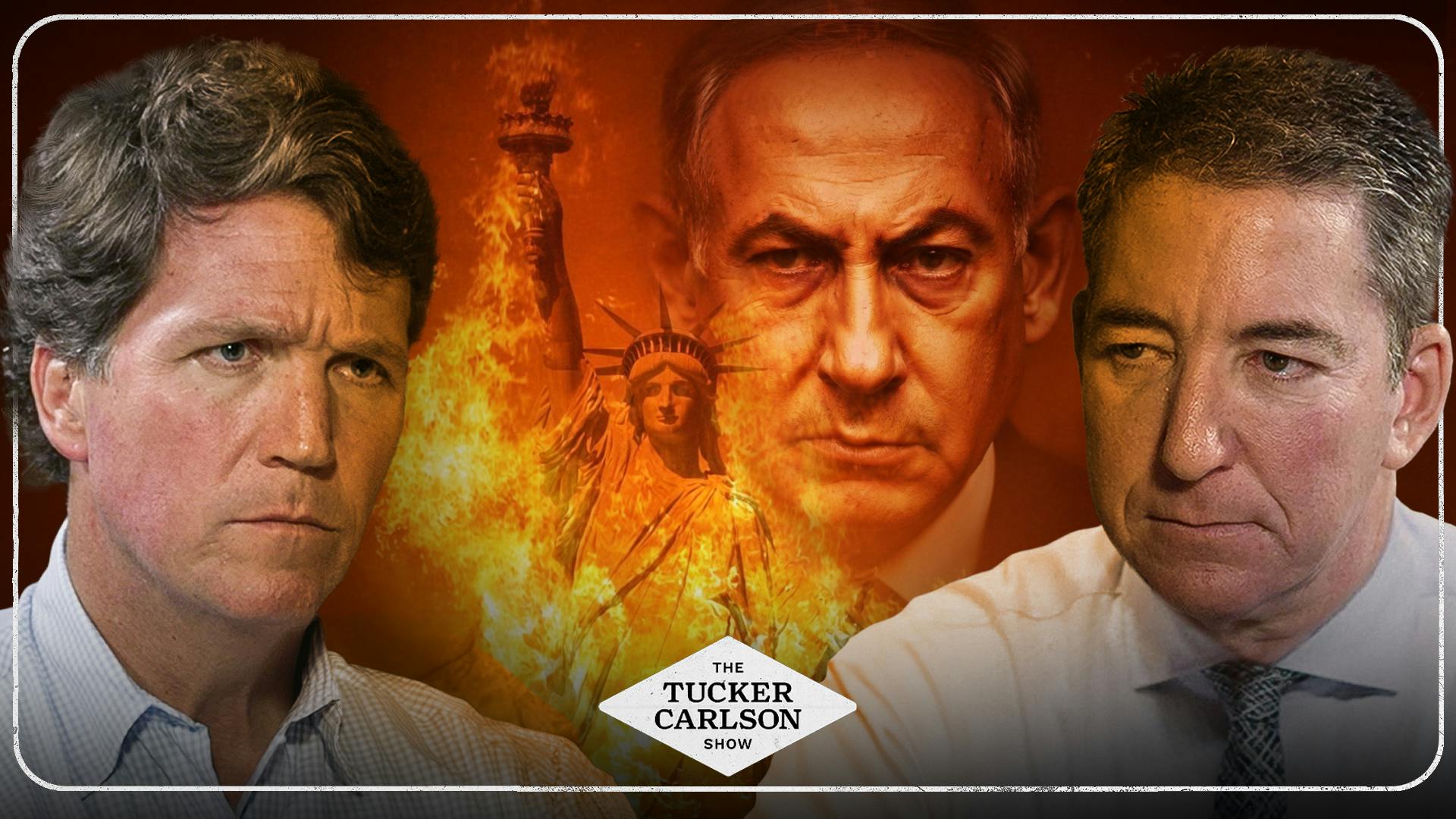
Overview of Glenn Greenwald: Iran War Updates, False Flags, and Netanyahu’s Plot to Imprison Americans
Glenn Greenwald (guest) and Tucker Carlson discuss how the current Israel–Iran conflict has accelerated a broader, multi‑country rollback of free speech and civil liberties in Western democracies. Greenwald argues that pro‑Israel lobbying and allied political actors have pushed new laws, campus rules, executive conditions and corporate actions that effectively criminalize or punish commonplace criticisms of Israel — often under the banner of fighting antisemitism — and that these measures pose a serious threat to First Amendment‑style protections, academic freedom, and democratic accountability in the U.S. and other Western countries.
Key takeaways
- Free speech in the West is under renewed, accelerating pressure — not primarily from grassroots left‑wing “wokeness” now, but from pro‑Israel lobbying and right‑leaning governments using wartime pretexts.
- The IHRA (International Holocaust Remembrance Alliance) definition of antisemitism has been expanded and used to label routine criticism of Israeli policy as hate speech, constraining campus debate and academic freedom.
- Examples given: Australia’s arrests over “from the river to the sea” T‑shirts after the Bondi Beach attack; university funding conditioned on IHRA commitments under the Trump administration; dozens of U.S. states requiring anti‑BDS certifications to get government contracts or disaster relief.
- Tech and media moves (e.g., high‑profile acquisitions and moderation hires) are described as part of efforts to control narrative distribution and suppress pro‑Palestinian or anti‑Israel messaging online.
- Political realignment is likely: support for Israel is weakening among younger demographics and across party lines, threatening the bipartisan consensus that historically protected Israeli interests in U.S. policy.
- The wartime environment increases the risk of emergency powers, more censorship, and the normalization of punitive measures against dissent (historical parallels: post‑9/11 Patriot Act, Iraq War propaganda).
Notable examples and evidence cited
- Australia: Laws criminalizing certain pro‑Palestinian slogans; arrests of demonstrators wearing “from the river to the sea.” (Greenwald relays direct reports and a corroborating contact.)
- Universities: Trump administration-era conditions that tied federal funding/grants to adoption of IHRA‑style definitions and related speech restrictions; firing or disciplinary pressure on faculty and students critical of Israel.
- U.S. states: ~35 states have enacted anti‑BDS certification requirements for government contracts and some forms of disaster/emergency aid (described as already used to deny contracts/aid).
- Political acts: Ron DeSantis signing Florida hate‑speech/antisemitism measures while in Israel; Andrew Cuomo and state boycotts referenced as precedent for selective boycotting.
- Media/tech: Purchases and personnel moves (e.g., Larry Ellison, reported IDF moderation presence on TikTok, Barry Weiss at CBS) framed as attempts to control discourse.
- Legal trend examples elsewhere: UK criminal charges against bands for pro‑Palestinian lyrics (charges later thrown out); Australia arrests for political T‑shirts.
Themes & arguments
- Lobby influence and normalization: Pro‑Israel lobbying has shifted from covert influence to overt pressure to change laws and civic norms in Western countries, using accusations of antisemitism to silence critics.
- Special protection for a foreign state: Many new restrictions specifically shield Israel (not other countries), which Greenwald argues is unprecedented and corrosive to democratic sovereignty.
- Conflation problem: Pro‑Israel actors often conflate criticism of Israeli policy with attacks on Jews, which both delegitimizes political dissent and fuels an oppositional reaction that risks organic antisemitism.
- Authoritarian drift during wartime: War historically produces authoritarian measures and limits on civil liberties; the Iran war creates the same pressure points (risk of new surveillance, censorship, prosecutions).
- Political realignment: Younger Americans and many Democrats are shifting away from unconditional pro‑Israel stances; that shift will reshape party coalitions and campaign dynamics.
Political implications and outlook
- Short term: Expanded censorship and punitive measures can persist or worsen while the war environment remains; limited public debate and quick policy changes reduce protest momentum.
- Mid/long term: Greenwald predicts a durable political realignment — bipartisan pro‑Israel consensus eroding, Democratic primary pressure on incumbents who back Israel, and a broader populist reassessment of foreign entanglements.
- Risks: Escalation of war could trigger domestic attacks, emergency laws, and further normalization of restrictions (compares to post‑9/11 measures like the Patriot Act).
Notable quotes (paraphrased)
- “Countries at war tend to become more authoritarian.”
- “They’re expanding the definition of antisemitism to include a wide range of common criticisms of Israel.”
- “If you can’t criticize a foreign country, then that country’s in charge.”
- “The war has forced the pro‑Israel lobby out into the open — and that visibility is producing backlash.”
What to watch (recommended indicators)
- Legislative moves: adoption of IHRA‑style definitions, state anti‑BDS certification laws, and any new criminal speech statutes.
- University policies: funding conditionality, faculty firings, curriculum/readings censored or revised under pressure.
- Tech/media ownership and moderation hires: major acquisitions, content‑moderation leadership with foreign ties, deplatforming patterns.
- Congressional action: votes or debates about war authorization, funding, or limits on executive war powers.
- Legal challenges: court rulings on arrests/charges for political speech (Australia/UK cases may set precedents).
- Public opinion & protests: polling shifts among age cohorts and any grassroots mobilizations for or against the war and speech protections.
Risk assessment & reader takeaway
- Greenwald presents a view that free‑speech erosion is real, multi‑faceted, and driven increasingly by foreign‑policy alignments and elite pressures, not just domestic culture‑wars. The consequences could be both legal (laws, prosecutions) and cultural (normalized censorship, academic chilling).
- The situation is dynamic: the First Amendment remains a strong legal bulwark in the U.S., but political pressure, corporate moderation, and emergency wartime politics create vulnerabilities that need monitoring and public debate.
(Note: the summary reflects the arguments and examples cited by Glenn Greenwald in the interview. Some claims — e.g., specific hires, purchases, or institutional practices — are presented as his reporting or assertions during the conversation.)