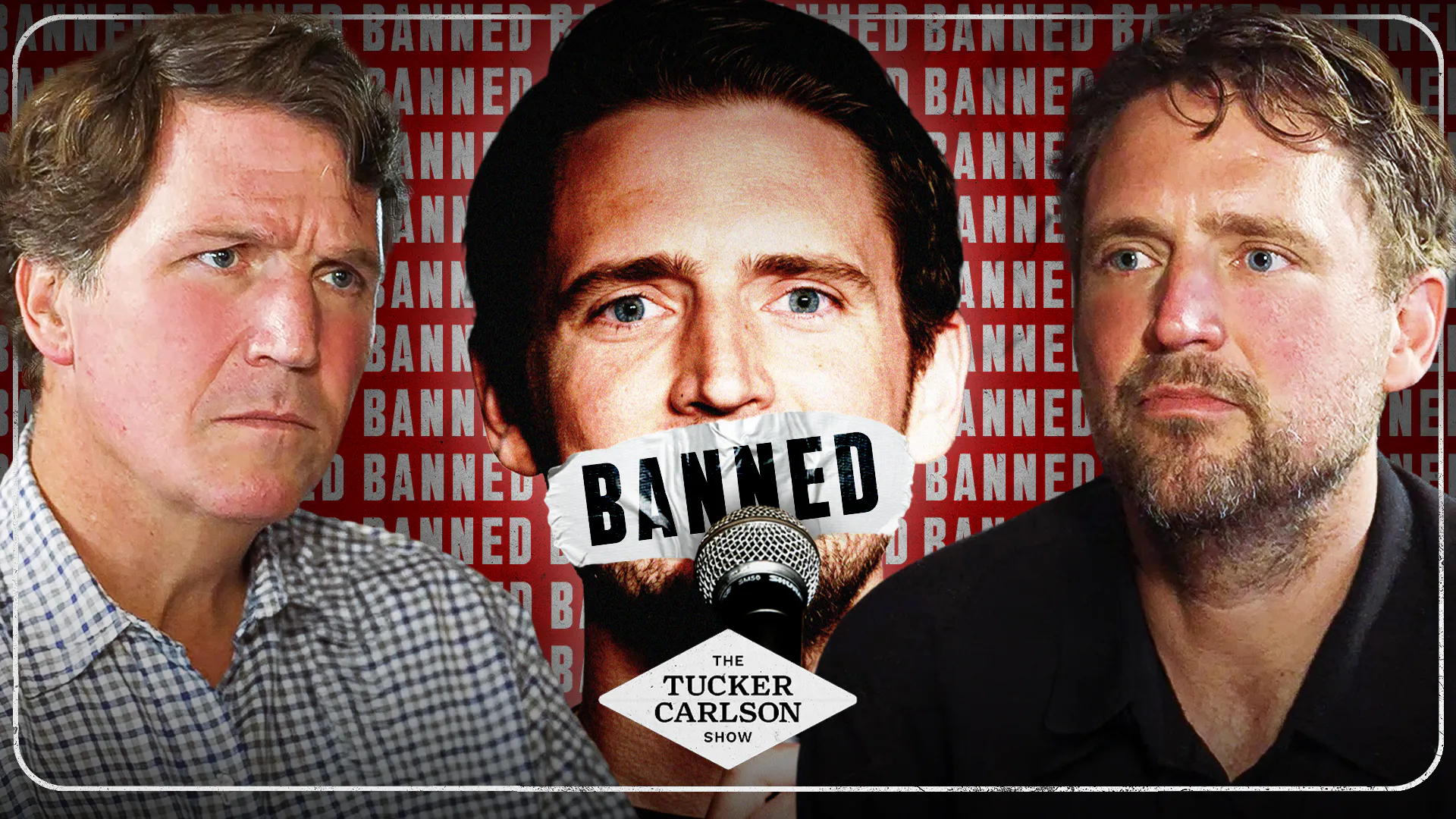
Overview of The Most Canceled Man in Comedy: Exposing Hollywood, Defending Racist Jokes & Overcoming Dark Forces
In this wide-ranging interview, comedian Owen Benjamin recounts how he went from Hollywood success to being deplatformed and professionally isolated after controversial comments about trans issues and other culture-war topics. He argues that comedy must be rooted in truth, says cancellation pushed him toward a more grounded family-and-farm life in Idaho, and frames much of modern politics, media, and culture as a struggle against “spells,” propaganda, and despair. The conversation mixes comedy theory, personal testimony, religious ideas, and sharp criticism of Hollywood, social media, and elite institutions.
Owen Benjamin’s Rise in Comedy and Hollywood
Benjamin describes an early life shaped by classical piano, rhetoric, and a desire to treat comedy as a craft rather than a fame chase.
- Started in comedy after moving to Los Angeles
- Appeared on Punk’d, Comedy Central specials, films, and a sitcom
- Worked with or around major names like Adam Sandler and Vince Vaughn
- Says he mostly ignored politics early on and focused on writing and performance
He presents himself as someone who could move between different audiences because his act was built on personality, musicianship, and disciplined joke-writing.
Why He Says He Was “Canceled”
The interview centers on Benjamin’s claim that his fall began when he publicly criticized the idea of a child identifying as trans.
What he says happened
- He posted about the issue on Twitter and called it harmful
- He says agents, managers, and industry contacts quickly cut ties with him
- He was eventually kicked off major platforms and payment processors
- Bookings and touring opportunities dried up
- He says the campaign against him was coordinated and designed to hit his income
His interpretation
Benjamin argues the response was not organic outrage but a “swarm” of aligned behavior across media, entertainment, and tech. He describes it as a kind of cultural enforcement system driven by fear, debt, and status dependence.
His Core Beliefs About Comedy, Truth, and “Spells”
A major theme is Benjamin’s view that comedy works only when it is tethered to reality.
Comedy as relief, not humiliation
He says:
- Comedy should relieve stress
- Jokes help people process trauma and discomfort
- The best comedy exposes pride, vanity, or denial
- A comedian should not attack out of hatred
“Spells,” “wizards,” and manipulation
Benjamin uses a recurring framework:
- A “wizard” is someone who uses rhetoric or social pressure to deceive
- “Spells” are cultural tricks that make people act against reality
- He argues many slogans, identity claims, and institutional narratives function like psychological programming
His recurring principle
A central line in the interview is his motto:
- “I might be wrong, but I’m not lying.”
He presents that as the foundation for both good comedy and good living.
Family, Farm Life, and the Move Away from Hollywood
Benjamin says cancelation ultimately pushed him into a more stable life.
- Left Los Angeles after having children
- Moved toward family and rural living, first in upstate New York area, then Idaho
- Learned tree work, construction, farming, and homesteading
- Describes this life as more real, more peaceful, and less corrupt than Hollywood
What changed
He says living on a farm and raising children gave him:
- more perspective
- less dependency on institutions
- a stronger sense of duty
- more joy and less fear
He repeatedly contrasts rural competence and family life with what he sees as Hollywood’s emptiness, debt, and despair.
Views on Culture, Identity, and Politics
Benjamin spends a lot of time criticizing modern identity politics and what he sees as selective outrage.
His main claims
- Comedy should be allowed to make fun of everyone
- Identity categories are often used as shields for power
- People are often more offended by status threats than actual harm
- Many public moral panics are driven by insecurity, not principle
He also argues that:
- debt makes people compliant
- institutions reward conformity
- modern culture encourages despair and victimhood
- honesty and beauty are spiritually protective
COVID, Censorship, and Independence
Benjamin says the COVID era confirmed his distrust of institutions.
- Refused to comply with masking and lockdown norms
- Saw the response as another example of “psychological pressure”
- Built alternative channels to communicate with supporters
- Eventually developed his own platform/app and direct-to-audience model
He frames this as proof that:
- centralized platforms are fragile
- independent communities can outlast censorship
- truth-telling creates its own ecosystem over time
Religion, Morality, and Hope
The interview becomes increasingly theological toward the end.
His moral framework
Benjamin says:
- despair is destructive
- gratitude and toil are spiritually healthy
- truth exists outside of personal emotion
- people are not born broken or evil
His use of biblical language
He connects his worldview to:
- stewardship
- forgiveness
- creation as worship
- avoiding “something for nothing”
He also emphasizes that beauty, symmetry, family, and service are signs of a rightly ordered life.
Notable Takeaways
- Benjamin sees comedy as a truth-based craft
- He believes his cancelation was organized and financially targeted
- He rejects the idea that freedom comes from status or institutional approval
- He says rural life, parenting, and manual work restored his sense of reality
- He treats despair, deception, and debt as central spiritual and cultural dangers
- His solution is faith, discipline, family, and direct community-building
Bottom Line
This interview is part memoir, part culture-war monologue, and part philosophical defense of Benjamin’s worldview. Whether the listener agrees with him or not, the episode presents a clear argument: modern institutions reward conformity and fear, while comedy, family life, craftsmanship, and faith keep people tethered to reality.