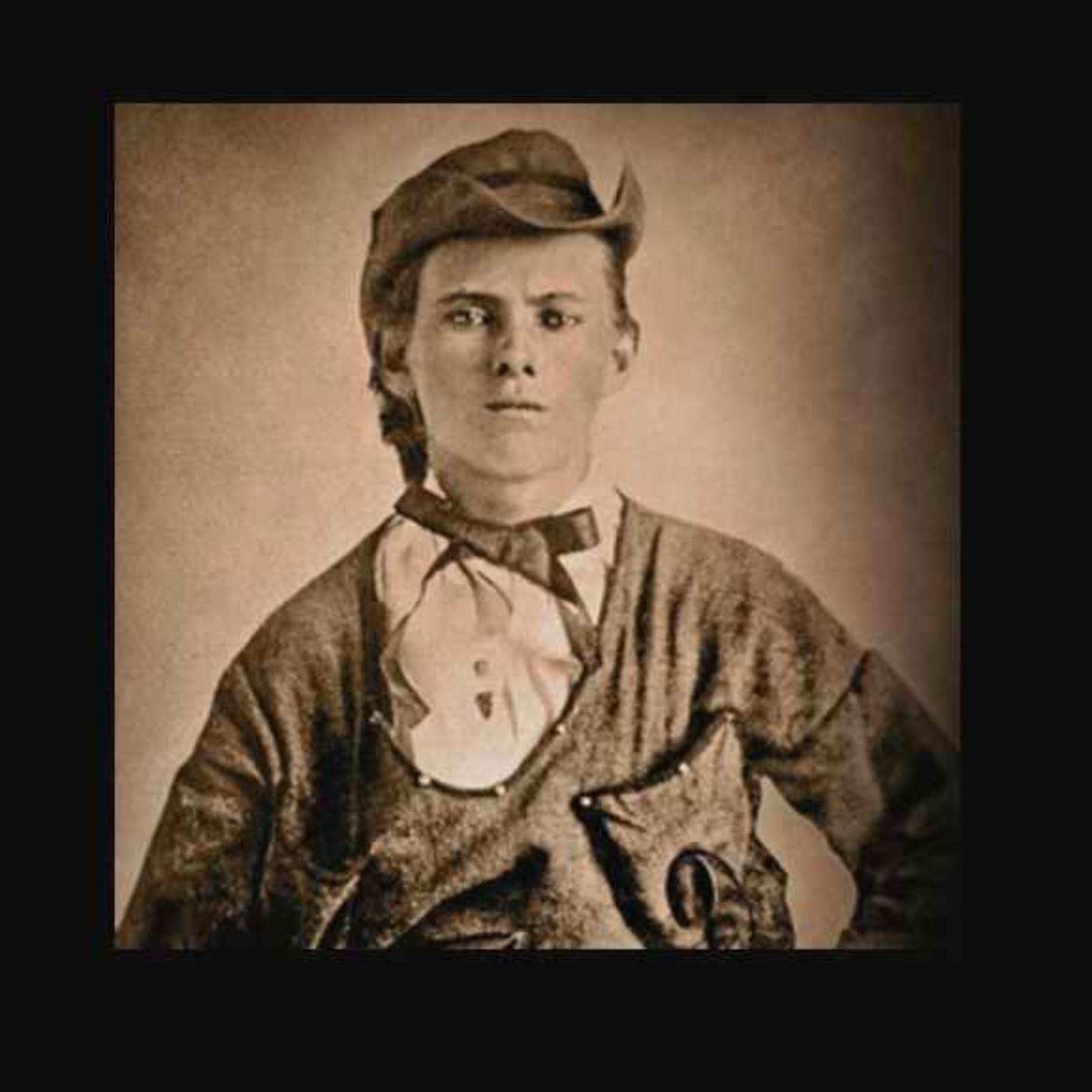
Summary — "Levi Boone Helm | The Kentucky Cannibal — Part 3"
Host: Thomas Roseland Wiborg‑Thune
Podcast: Serial Killer Podcast, Episode 260 (Part 3)
WARNING: the episode contains graphic descriptions of domestic violence and murder.
Overview
This episode continues the biographical series on Levi Boone Helm (the "Kentucky Cannibal"), focusing on his descent from violent domestic abuser to murderer and fugitive. It covers the abuse of his wife Lucinda, her secret divorce (funded by Boone’s father), Helm’s murder of his cousin (Littleberry/Littlebury in the transcript), his attempted escape west, capture by a posse, and commitment to an eastern sanatorium. The town convinces itself Helm is insane and contained—an inaccurate conclusion teased as temporary.
Key points & main takeaways
- Boone Helm repeatedly and brutally abused his wife, Lucinda; she became pregnant and ultimately filed for divorce in secret.
- Joseph Helm (Boone’s father) secretly funded Lucinda’s legal action, betraying Boone and fueling his rage.
- After failing to persuade his cousin to flee west with him, Boone impulsively murdered Littleberry in the cousin’s home to stage a robbery.
- Boone attempted a desperate escape west (claiming he was heading to Texas/California for gold) but was weakened, delirious, and directionless.
- A posse tracked and captured him before he could create wider violence (he was found near/inside Native territory with his dead horse).
- During transportation and trial, Boone’s erratic behavior and apparent madness led to testimony that he was mentally ill; a physician committed him to a sanatorium.
- The town found solace in the belief that Boone was sick and contained; Lucinda and her newborn daughter (Lucy) attended the cousin’s funeral and tried to move on.
- The episode ends with a foreshadowing that Helm’s containment is temporary—more crimes will follow in later episodes.
Timeline (concise)
- Ongoing domestic abuse → Lucinda becomes pregnant.
- Lucinda files for divorce; funding comes from Joseph Helm.
- Boone learns of divorce, becomes enraged → plots to leave town.
- Boone pressures cousin Littleberry to join him; when refused, Boone kills him with a bowie knife and stages theft.
- Boone flees, suffers thirst and delirium, horse dies.
- Posse captures Boone in/near Native American territory (1848); he confesses and behaves erratically.
- Committed to an eastern sanatorium; town believes the threat is contained.
Notable quotes & vivid lines
- "She was pregnant." (turning point motivating Lucinda’s action)
- "A devil in dusty boots." (metaphor describing Boone’s charm turned violent)
- Graphic description: "The blade plunged into Littleberry's chest with a sickening crunch..." (depicts the murder)
- "His clothes reeking of horse flesh and stale whiskey." (conveys Helm’s decline)
Topics discussed
- Domestic violence and its social context in frontier towns
- Family betrayal and internal conflict (father funding wife’s divorce)
- Frontier justice: posses, vigilante pursuit, and community response
- Insanity claims and institutionalization as a legal/social outcome
- The mythologizing of violent figures by communities after their removal
- The gold rush/Western migration as a backdrop for mobility and escape
Analysis / Interpretation
- The episode emphasizes how social indifference and frontier lawlessness allowed violent men like Helm to roam and escalate.
- The town’s quick acceptance of "madness" as explanation shows how communities sometimes prefer absolution via medicalization rather than confronting accountability or structural failures.
- Helm’s violence is portrayed as both impulsive rage and the product of repeated social rejections (family, town, law), culminating in a sudden lethal act.
Action items & recommendations
- If you plan to listen: be aware of graphic content; consider skipping if sensitive to domestic violence descriptions.
- Recommended next steps:
- Listen to Part 4 for Helm’s subsequent acts and to follow the narrative thread.
- For context: read historical accounts of Levi Boone Helm and mid‑19th century frontier justice to better situate events.
- If disturbed by the episode’s content: consult local mental‑health resources or hotline services (seek immediate help if triggered).
- For researchers: follow citations in later episodes or seek primary historical records (newspapers, court records, sanatorium records) for verification—this podcast dramatizes and synthesizes historical material.
If you want, I can:
- Produce a one‑page timeline-only summary.
- Extract direct timestamps and scenes (if you provide the audio timecodes).
- Compile suggested reading and primary sources about Helm and frontier-era crime.