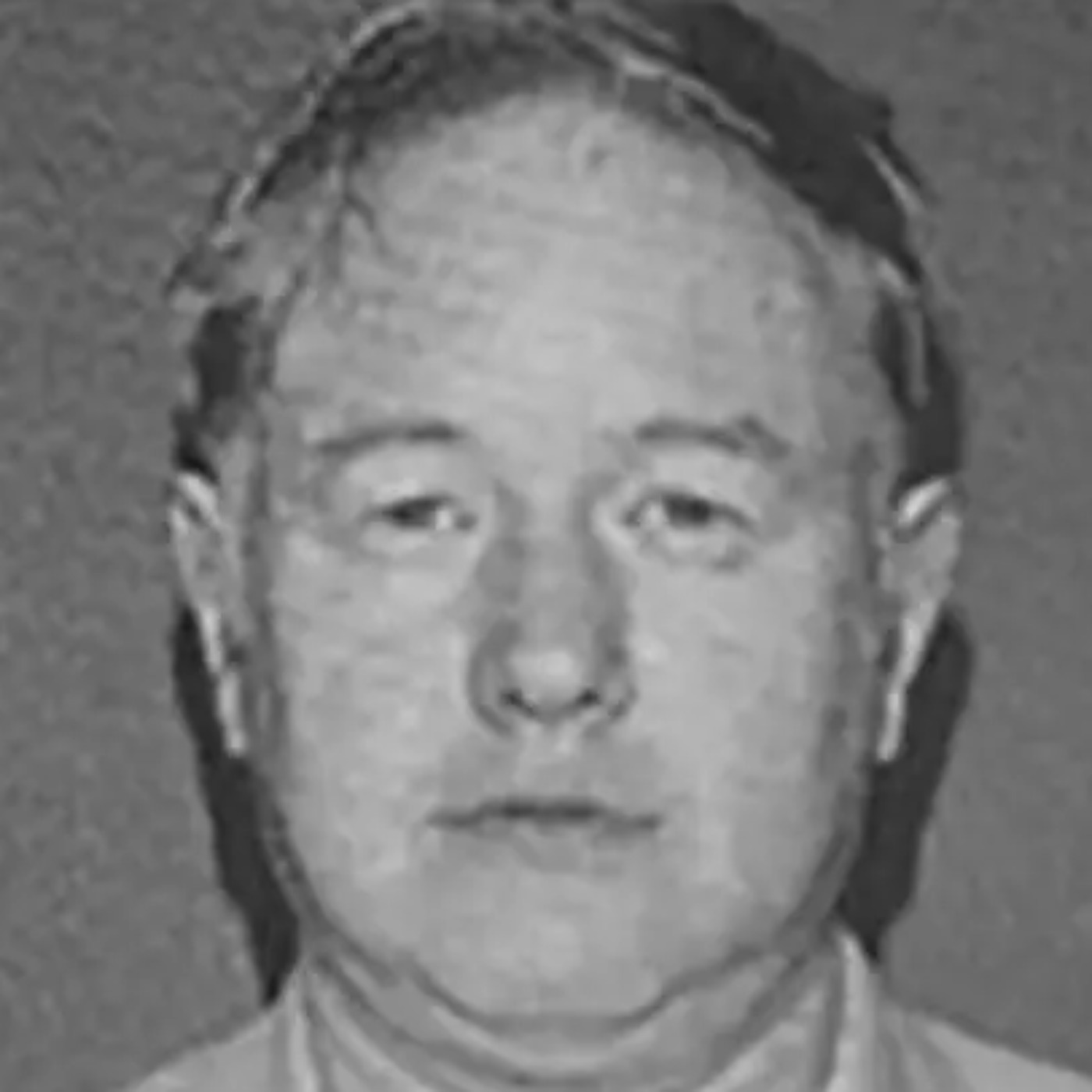
Overview of Jerome Henry Brudos | The Lust Killer - Part 3
This episode (Serial Killer Podcast, Ep. 268) by Thomas Rosseland Wiborg-Thune continues the biography of Jerome (Jerry) Henry Brudos, focusing on his adolescence through early adulthood: escalating paraphilic behavior, early violent assaults, psychiatric evaluations and diagnoses, brief military service and discharge, family dynamics, career and marriage. It traces how fetishistic fantasies (especially around women’s shoes and photography) moved from secret fixation to violent acting-out, setting the stage for later murders covered in subsequent episodes.
Key events and timeline
- 1956 (spring): After an initial forced photo incident, Brudos abducts and assaults a 17-year-old—intended to strip and photograph her; rescued by passing couple. Police find women's clothing, shoes, and photographs in his trunk/room. Handed to Polk County Juvenile Department.
- April 1956: Committed to Oregon State Hospital for evaluation. Diagnosed provisionally with “adjustment reaction of adolescence with sexual deviation and fetishism.” Later labelled “Borderline Schizophrenic Reaction” (a broad mid-century diagnostic category).
- 1956–1957: Day release allowed—attended North Salem High while spending nights in hospital wards. Staff judged him not grossly mentally ill; shy, embarrassed, evasive, intellectually adequate but with questionable insight/judgment.
- After hospital: Returned home to family farm in Dallas, Oregon (parents Henry and Eileen; older brother Larry). Felt marginalized—moved to a shed on the property after conflicts.
- Late 1950s: Continued fetishistic/violent acts—series of attacks in Salem and Portland where he assaulted women and stole their shoes. He kept and smelled the shoes, replaying the power he felt.
- March 9, 1959: Enlisted in U.S. Army; trained in Signal Corps (communications/electronics).
- 1959 (Oct 15): Discharged from Army as unfit—psychiatric opinion that obsessions and grasp on reality were too uncertain.
- Early 1960s: Obtained FCC license; worked as an operating engineer at a radio station. Married Darcy Metzler in 1961 (she was 17 when they met). Marriage gave him private access to a woman but quickly became controlling, coercive, and abusive.
Modus operandi and escalation
- Fetish triggers: High-heeled shoes and female undergarments were central symbols of power and possession for Brudos; photography allowed him to “capture” and keep victims.
- Progression: Private fetish → voyeurism/forced photography → violent assaults to remove shoes/obtain photos → theft and keeping of shoes as objects of obsession.
- Control and ownership: He tested and monitored women’s reactions (courtship as calibration), demanded compliance in sexual encounters, and later considered permanent ownership of female bodies—a theme that escalates beyond this episode.
Psychological profile & institutional evaluations
- Behavioral presentation: Extremely shy, socially avoided, intelligent (especially with technical/electrical tasks), emotionally embarrassed and evasive with clinicians.
- Diagnoses assigned:
- 1956: Adjustment reaction of adolescence with sexual deviation and fetishism.
- Later: Borderline Schizophrenic Reaction (broad mid-century label).
- Clinician impression (paraphrase of 1956 note): Not grossly mentally ill; oriented and coherent; embarrassed and evasive; somewhat depressed; questionable insight and judgment; admitted temper problems but denied destructive urges; not particularly guilty about taking photographs.
- Army psychiatrist judged him unfit for service because of bizarre obsessions and uncertain grasp on reality—led to discharge.
Family, social life, and work
- Family dynamics: Mother (Eileen) perceived as favoring the older brother Larry; Jerry felt permanently marginalized and humiliated, fueling resentment toward women as stand-ins for his mother.
- High school: Attended North Salem High while on day release—largely invisible to peers and teachers; later recollections by acquaintances failed to place him.
- Career: Skilled with electronics; earned an FCC license and worked in radio—an outlet where technical competence masked social dysfunction.
- Marriage: Darcy Metzler married Jerry in 1961. Publicly he appeared to be a quiet, settled provider; privately he became controlling and abusive. Marriage provided legal and physical access that aligned with his need for control.
Notable quotes & characterization
- Psychiatric summary (paraphrased): “The boy does not appear to be grossly mentally ill… he is shy, embarrassed, somewhat depressed, with questionable insight and judgment… he hopes to be cured.”
- Recurring narrative image: Brudos lived “in two worlds” — the institutional (hospital) and the social (school/work) — neither integrated and neither safe.
Main takeaways
- Brudos displayed long-standing paraphilic fetishes that escalated from clandestine photography/voyeurism to violent assaults.
- Multiple institutions (juvenile system, Oregon State Hospital, the Army) evaluated him but did not place him under sustained, structured supervision that addressed risk of escalation.
- Family marginalization and a need for control/possession of women were core drivers in his behavior; marriage provided private access but did not stop his deviant fantasies.
- Technical intelligence and social invisibility allowed him to function externally while deep sexual violence developed internally.
What to expect next
- The episode ends with a setup for the continuation of Brudos’ story—his fantasies moving toward permanent ownership and murder. The next episode will cover how his paraphilias culminated in serial murder.