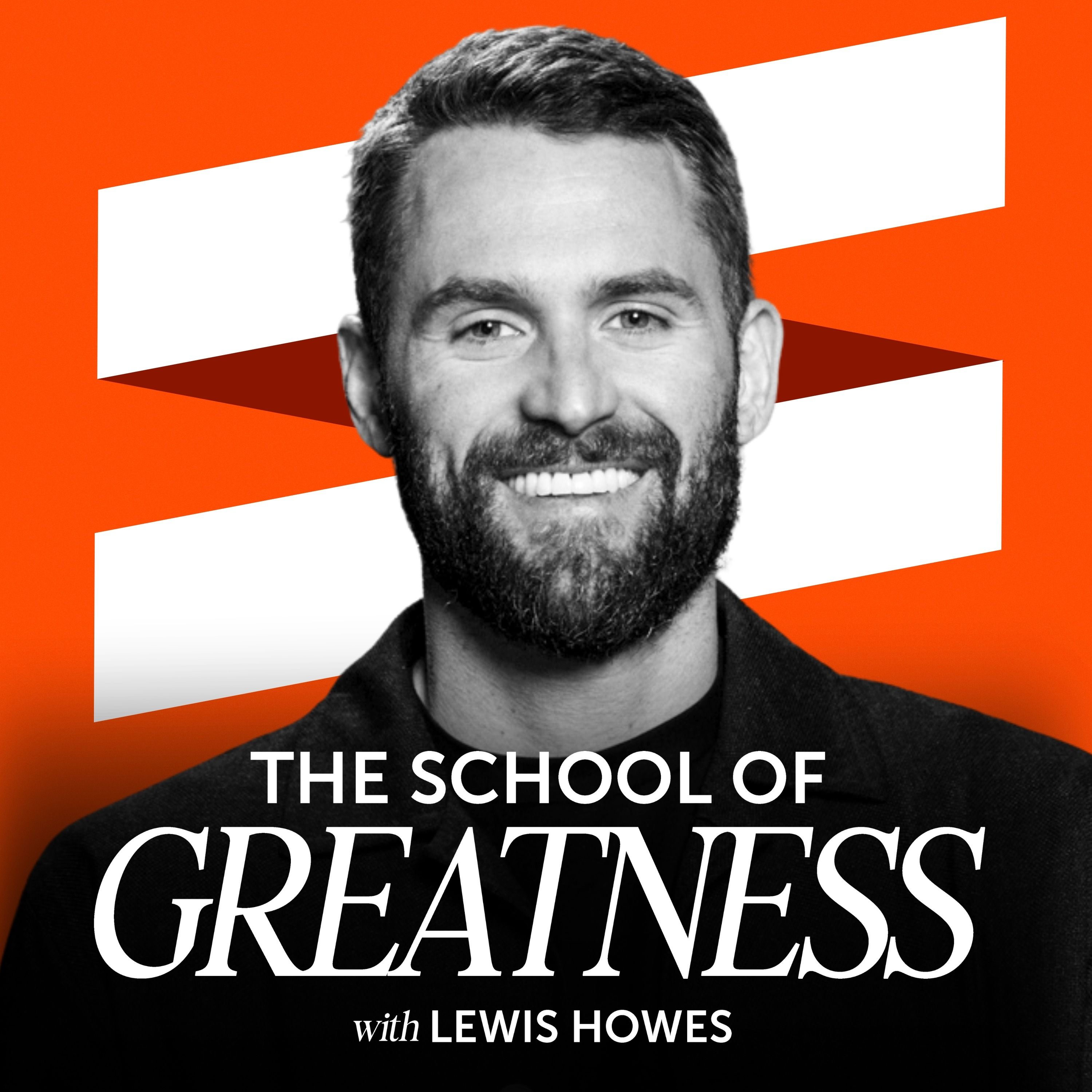
Overview of Why Winning Didn't Fix Me: The Truth About Pain with Kevin Love
Lewis Howes sits down with NBA champion and mental health advocate Kevin Love for an honest conversation about what success does not solve: anxiety, grief, identity loss, and the fear of life after sports. Love opens up about the pressure that came with being a teenage basketball prodigy, the emotional cost of achievement, his healing journey, the death of his father, and how fatherhood has reshaped his perspective. The episode is a deep look at how high performers can still feel lost internally—and why discipline, vulnerability, and community matter more than trophies.
Key Themes and Takeaways
Success doesn’t automatically heal emotional pain
- Love explains that he long believed another accomplishment would make him feel better.
- Instead, he kept returning to the same internal baseline after each “dopamine hit.”
- His point: winning can bring pride, but it doesn’t resolve unresolved trauma, anxiety, or depression.
Identity after sports is a real challenge
- He describes “athletic mortality” as the fear of not knowing who you are once your playing career ends.
- After 18 NBA seasons, he’s grappling with:
- whether to keep playing
- how to balance basketball with fatherhood
- what his life looks like beyond the game
Healing is ongoing, not a finish line
- Love says the work started in 2017 after a public panic attack and continues daily.
- He uses therapy, SSRIs, routine, and self-awareness to manage anxiety.
- Even now, he says his nervous system pain often sits at a “five or six” out of ten.
Family wounds shaped both pain and growth
- Love discusses spending nearly nine years not speaking with both parents.
- His father’s illness and eventual passing created space for reconciliation and forgiveness.
- He sees both the pain and the love in that relationship as central to who he became.
Fatherhood softened and re-centered him
- Having two daughters changed how he views emotion, loss, and responsibility.
- He says being a father has made him more emotionally open and more aware of what truly matters.
- He wants to be present for his daughters while also making the right long-term choices about his career.
Mental Health, Pressure, and Performance
The pressure started early
- By around age 14, Love was already seen as one of the top basketball players in the country.
- That status brought confidence, ego, pressure, and shame—sometimes all at once.
- He admits he often offloaded pain onto others when he was younger.
Anxiety became both a burden and a fuel source
- Love says his anxiety and anger were part of what drove him to succeed.
- He wonders whether a healthier childhood would have changed his athletic trajectory.
- His honest answer: maybe not—his edge may have been tied to the adversity itself.
Elite achievement and depression can coexist
- The discussion references the Weight of Gold documentary and the emotional crash that many Olympians experience after success.
- Love reinforces the idea that many elite performers are driven by wounds, but their achievements don’t automatically bring peace.
Family, Grief, and Reconciliation
His father was both a teacher and a source of pain
- Love describes his dad as his biggest basketball influence and his “greatest teacher.”
- He learned:
- how to compete
- how to approach the game with intensity
- what he wanted to do differently as a father
- At the same time, he acknowledges the household had volatility, yelling, and emotional landmines.
Reconnecting before loss mattered
- Love and his father reconciled during the last 16–18 months of his life.
- He says he didn’t want to live with the regret of unfinished conversations.
- That period brought forgiveness and a more complete understanding of his father’s humanity.
His mother’s care left a deep impression
- He speaks with immense gratitude about his mother’s ability to care for his father through illness and hospice.
- Her strength helped him see her in a new light.
Legacy, Leadership, and the Kevin Love Fund
He wants his legacy to be impact, not just accolades
- Love says what matters most now is how he helps teammates and others.
- He wants to be remembered as someone who made people around him better—personally and professionally.
The Kevin Love Fund is about emotional education
- The fund grew out of his own struggles and the question: “What would I tell my younger self?”
- Its mission is to give young people the emotional language and tools they often never receive.
- The new “Friend Effect” lesson focuses on:
- friendship
- community
- healthy relationships
- finding your tribe
Safe spaces for emotional expression are essential
- Love and Howes agree that many boys grow up hearing “suck it up” instead of learning emotional literacy.
- The fund aims to change that by bringing social-emotional learning into classrooms and youth spaces.
Notable Insights
- “You can’t out-achieve unresolved pain.”
- “Success is not immune to depression.”
- “Nothing has is like the things we don’t say.”
- “Discipline is deciding between what you want now and what you want most.”
- Love’s view of growth: being outspoken about mental health, protecting important relationships, and embracing fatherhood as a defining part of life.
Final Takeaway
This episode is ultimately about the gap between external success and internal peace. Kevin Love’s story shows that being a champion doesn’t exempt anyone from grief, fear, or identity struggles—but it can become a platform for healing, service, and leadership. His message is clear: tell the truth, do the work, protect your relationships, and build a life that goes beyond achievement.