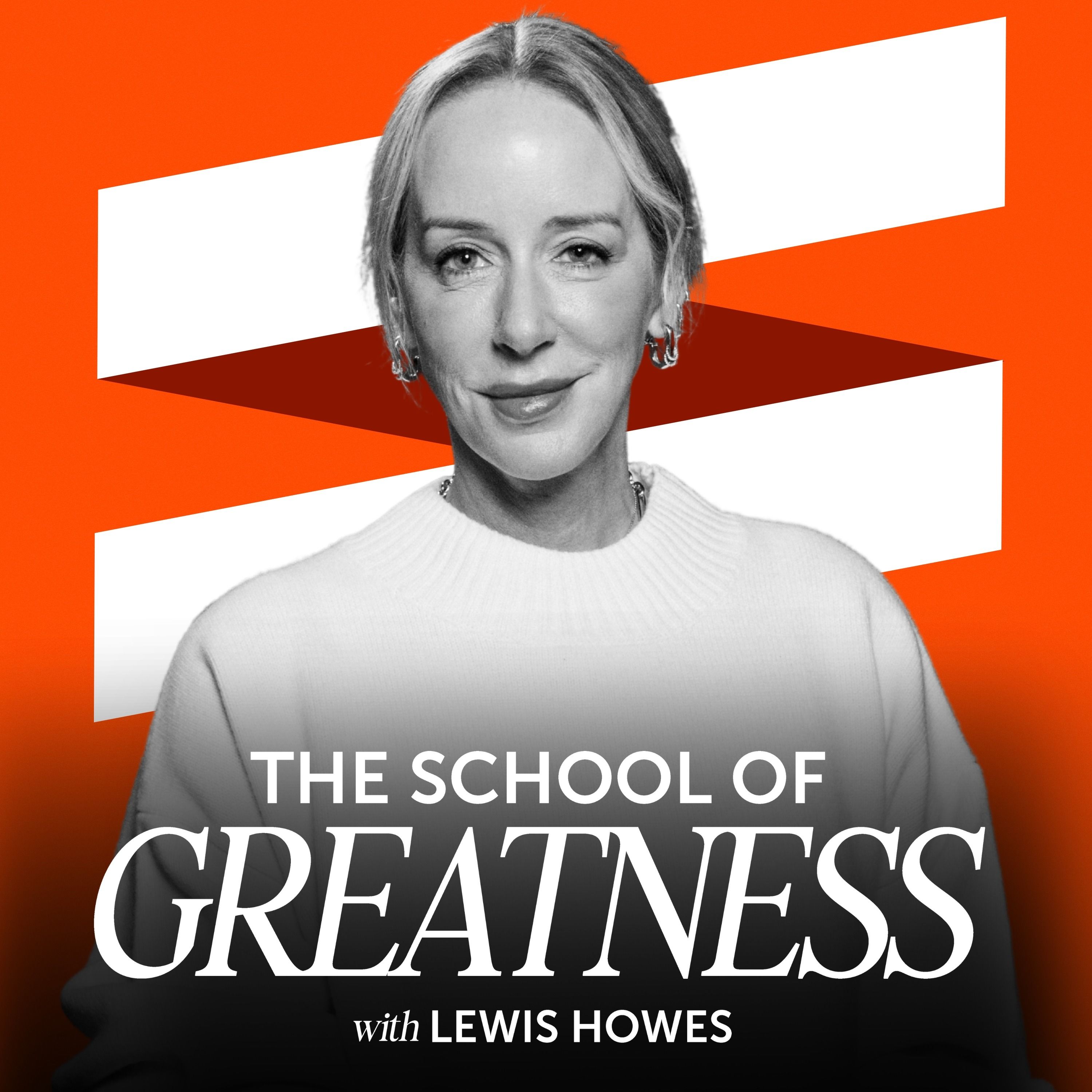
Overview of The School of Greatness with Dr. Patric Gagne
Lewis Howes speaks with Dr. Patric Gagne, author of Sociopath, about what sociopathy/psychopathy actually feels like from the inside, how trauma and temperament shape behavior, and why awareness—not shame—is the key to change. The conversation pushes back on the “monster” stereotype and reframes antisocial traits as a spectrum that includes both harmful behavior and the possibility of healing, honesty, and socialization.
What Sociopathy Really Means
Sociopathy vs. psychopathy
- Dr. Gagne explains that “sociopath” is clinically outdated and is now generally folded into antisocial personality disorder and psychopathy.
- She distinguishes between:
- Primary psychopathy: believed to be biological, very rare, and difficult or impossible to “teach” social emotions to.
- Secondary psychopathy: more environmentally influenced, more common, and considered treatable.
Emotions they can and can’t feel
- People with psychopathic traits still feel the basic, innate emotions:
- happiness
- sadness
- surprise
- disgust
- What they often struggle with are social emotions such as:
- empathy
- guilt
- shame
- remorse
- envy
- compassion
- Dr. Gagne stresses that this does not automatically make someone evil; the more important question is what they do, not just what they feel.
Childhood, Trauma, and Why Lying Became a Coping Skill
Lying as safety, not just manipulation
- Dr. Gagne describes learning to lie as a survival strategy:
- it avoided punishment
- it created a sense of safety
- it reduced internal pressure and anxiety
- She emphasizes that many people assume pathological lying is always sinister, but for her it began as a coping mechanism.
“Pressure release” behavior
- She describes destructive behaviors in her youth—stealing, breaking into homes, acting out—as a way to discharge intense internal tension.
- She compares it to a valve: if the pressure doesn’t come out in a small way, it can erupt in something bigger.
Trauma is often misread
- Lewis shares his own history of trauma and how acting out, sports, and achievement became release mechanisms.
- Dr. Gagne agrees that many behaviors labeled “bad” are actually unprocessed pain, especially when people don’t have tools for emotional regulation.
People Pleasing, Love, and the “Internal Container”
People pleasing as dysfunctional love
- Dr. Gagne argues that people pleasing is often a form of outsourcing emotional regulation.
- In her view, many people try to make others happy so they can feel okay about themselves.
- She sees this as a kind of dysfunctional love:
- “You complete me” becomes a dangerous belief.
- Healthy love should not be about another person filling your emptiness.
The two-container model
She offers a simple framework:
- Internal container = self-worth, self-regulation, self-confidence, self-belief
- External container = support, partnership, feedback, connection from others
Her point:
- Other people can help with the external container.
- Only you can fill the internal one.
Emotional honesty in relationships
- She says she would rather have no friends than constantly curate a fake emotional performance.
- For her, honesty creates freedom and reduces the claustrophobia that once fueled acting out.
Parenting and Healing: What Actually Helps
What works better than punishment
Dr. Gagne says punishment usually teaches children to:
- hide behavior better
- lie more effectively
- become resentful
She recommends:
- positive reinforcement
- clear boundaries
- logical consequences
- teaching cause and effect
Three key parenting tools
- Set and model boundaries
- Model apologies
- Ask kids, “How does it feel when you feel?”
That question matters because it teaches children:
- their feelings are valid
- they can name emotions
- they can process instead of suppress
Let kids feel without rushing to fix
- She warns against immediately shutting down a child’s sadness, anger, or grief.
- Even well-meaning responses like “Don’t cry” can interrupt emotional processing.
- Her broader message: comfort is not the same as stopping emotion.
Teach kids to advocate for themselves
- She emphasizes helping children say:
- “I don’t want this.”
- “I’m uncomfortable.”
- “No.”
- For her, “no” is a complete sentence.
- She sees self-advocacy as a crucial life skill that protects children from later self-abandonment.
Shame, Guilt, and Moral Development
Shame is useful—but only in moderation
- Dr. Gagne says guilt and shame can serve a purpose in small doses.
- But overreliance on them becomes harmful.
- She argues that religion and culture often overuse shame as a control mechanism.
Her moral code isn’t emotion-based
- She says she doesn’t rely on shame or guilt to stop herself from harmful behavior.
- Instead, she relies on:
- internal philosophy
- discipline
- logic
- a chosen moral code
Her framing:
- “I don’t hurt people because I don’t want to hurt people.”
- Not because she is scared of guilt.
Can Psychopaths Change?
Yes, through resocialization
- Dr. Gagne says change is possible, especially for secondary psychopathy.
- The process is not about making someone “feel normal.”
- It’s about:
- teaching cause and effect
- showing consequences
- creating incentives for pro-social behavior
- helping the person choose what they want to protect in life
The key isn’t emotion—it’s motivation
For adults, she says the question becomes:
- Do you want to keep your job?
- Keep your money?
- Keep your relationships?
- Avoid destruction?
That’s where change begins.
Key Takeaways
- Psychopathy is not the same as evil.
- Feeling less emotion is not the same as having no morality.
- People pleasing is often emotional dependency in disguise.
- Children need emotional language, not just correction.
- Punishment alone doesn’t create growth; it creates concealment.
- Awareness is the beginning of change.
- What matters most is what you do, not just what you feel.
Notable Insights
- Dr. Gagne repeatedly returns to the idea that many people are trying to fill their inner emptiness with other people.
- She sees emotional honesty as liberating, even if it makes relationships harder to maintain.
- She also challenges the idea that being wrong means being bad:
- you can make a mistake
- you can apologize
- and still be a good person
Resources Mentioned
- Dr. Gagne’s memoir: Sociopath
- The Society for the Prevention of Disorders of Aggression as a support and research resource for antisocial personality disorders
Final Thought
Dr. Gagne’s definition of greatness is simple: awareness. That theme runs through the whole conversation—awareness of your feelings, your patterns, your trauma, your boundaries, and the stories you tell yourself.