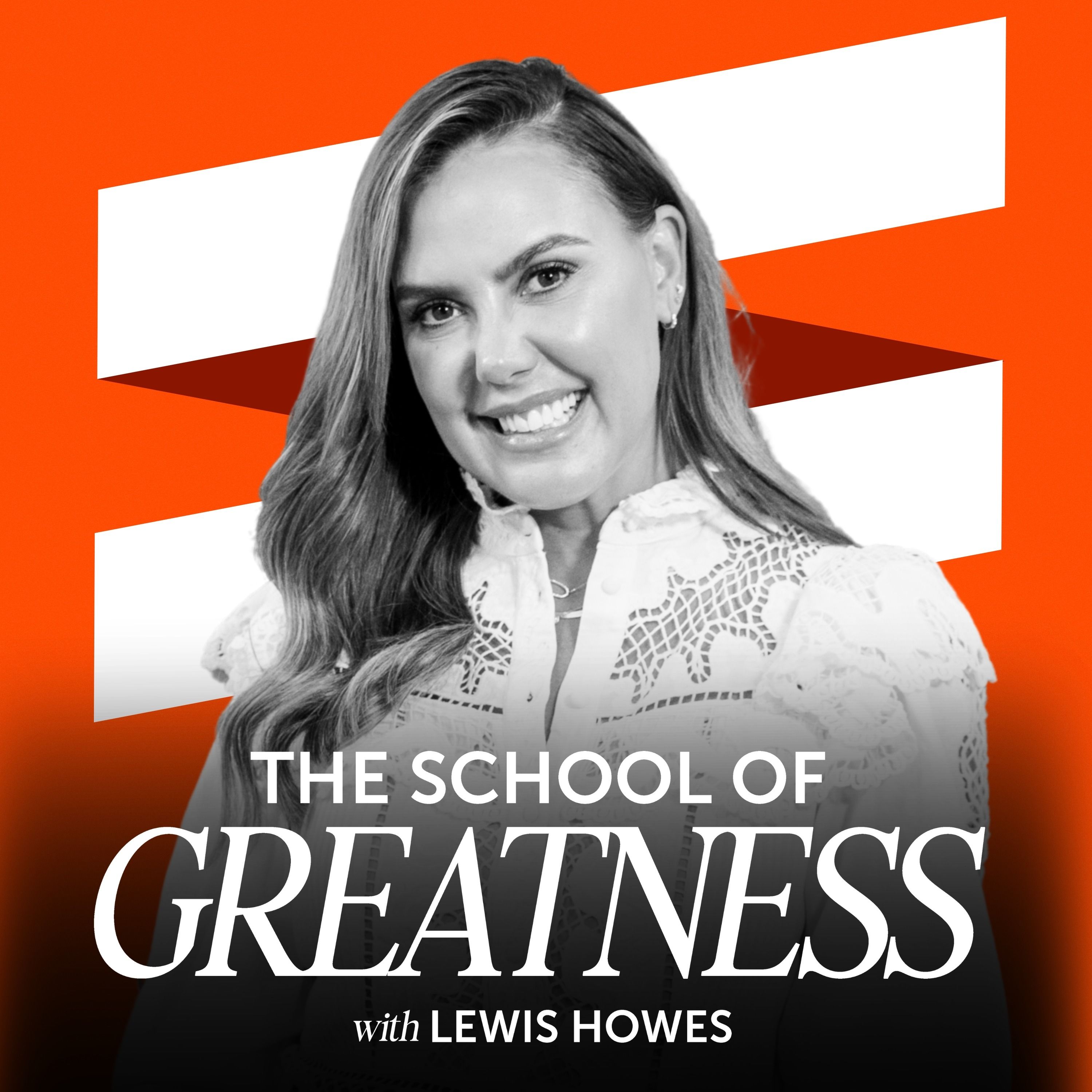
Overview of Why I Cried Myself to Sleep Running a Billion-Dollar Brand
Host Lewis Howes interviews entrepreneur Kendra Scott about her rise from failed first business and early insecurity to building a billion-dollar jewelry brand. The conversation covers hard personal seasons (2020 health and family crises, divorce), business pivots (from wholesale to DTC/experiential retail), leadership choices (stepping down as CEO to focus on design and customer experience), and the mindset lessons that got her through. The episode is part memoir, part playbook for founders on vulnerability, resilience, and scaling with heart.
Key themes and topics discussed
- Kendra’s personal low point in 2020: father’s heart attacks, divorce, health scares, feeling like an imposter and crying herself to sleep.
- Early failures: a first hat business that closed, dropping out of college, and learning to pivot.
- The origin story of Kendra Scott Jewelry: handmade jewelry sold to local boutiques, bootstrapped growth via wholesale.
- 2008 recession as a turning point: loss of retail accounts → shift to direct-to-consumer, e‑commerce, experiential retail (Color Bar).
- Building an experiential retail model: open displays, customization, Sips & Sweets café, community events, philanthropy.
- Financing timeline: long period of debt/bootstrapping → first investor ~2012 → later private equity (20% stake).
- Leadership and self-care: stepping down as CEO to focus on strengths (chair, head of design, customer advocate), prioritizing family and mental health.
- Core values: family, fashion, philanthropy; customer-first culture and community engagement.
- Actionable advice for entrepreneurs: know and hire your weaknesses, listen to customers, be agile, embrace failure.
Story arc / timeline (concise)
- Early 20s: starts a hat company inspired by stepfather’s illness → business fails; drops out of college.
- Transition period: takes a job, makes jewelry as a side hustle; first boutique wholesale orders lead to growth.
- 2000s: grows through wholesale placement in hundreds of stores (up to ~600).
- 2008 recession: big disruption, buyers and stores cut orders → strategic pivot to DTC and experiential retail.
- 2010s: opens flagship store(s), builds Color Bar customization tool, philanthropic programs; growth accelerates.
- 2012 onward: first outside investor; later private equity for more capital.
- 2020: pandemic + family health + divorce → journaling, re-evaluation, focus on wellbeing; steps down as CEO in recent years and writes a book Born to Shine.
- Today: brand with hundreds of stores (~120+), three jewelry categories (fashion, demi-fine, fine), Scott Brothers men’s line, and continued expansion.
Main takeaways & lessons (actionable)
- Be vulnerable — authenticity builds trust. Kendra turned personal journaling and vulnerability into a book to help others.
- Embrace failure as a gift. Early failures and setbacks created growth lessons that later accelerated success.
- Know your weaknesses and hire for them. You can’t and shouldn’t do everything; build a complementary team.
- Listen to your customer relentlessly. Direct connections (stores, calls, social comments) guide product and experience decisions.
- Be agile and willing to pivot. Recession and pandemic forced new business models (DTC, curbside, virtual styling).
- Create an experience, not just a transaction. Experiential retail (open-touch displays, customization, food/drink, events) drives loyalty and word-of-mouth.
- Culture and philanthropy matter. Building community inside and outside the company yields durable customer loyalty.
- Prioritize wellbeing and clarity of role. Stepping out of the CEO role allowed Kendra to focus on design, customer experience, and family.
Notable quotes and lines
- “I sobbed and cried myself to sleep.” — describing how 2020 felt despite outward success.
- “Failure is a gift.” — reframing setbacks as essential learning.
- “We are born to shine.” — theme behind her book Born to Shine.
- “I believe that 98% of people are good. I’m not going to build my business for the 2% that are bad.” — rationale for open displays and trusting customers.
- “The customer is the boss.” — emphasis on customer-first decisions.
- “If you’re doing what everybody else is doing, you’ve already failed.” — on differentiation and disruption.
Practical recommendations from the episode
- For founders: do regular customer touchpoints—listen to comments, join calls, work in stores to gather feedback.
- For scaling teams: map founder weaknesses and recruit senior hires to fill those gaps rather than trying to do everything.
- For retail brands: consider experiential elements (customization, food/drink, events) to create community and repeat customers.
- For leaders: re-evaluate role alignment—focus your time on unique strengths (design, vision, customer advocacy).
- For anyone struggling: journal, be vulnerable, seek community (e.g., entrepreneurial groups like EO), and prioritize mental/physical health (Kendra emphasizes yoga).
Resources & mentions
- Kendra’s book: Born to Shine — Do Good, Find Your Joy, and Build a Life You Love.
- Kendra Scott brand: KendraScott.com (jewelry, store locators).
- Programs mentioned: Kendra Gives Back / Kendra Cares (hospital and pediatric cancer outreach).
- Organizations suggested: Entrepreneurs’ Organization (EO) for peer support and mentorship.
- Lewis Howes’ show perks: Greatness Plus (bonus & ad-free content via Apple Podcasts).
Quick “If you only remember three things” summary
- Pivot when necessity forces you — disruption can reveal your next model (2008 & 2020 pivots).
- Hire for what you’re not — scaling requires people who plug your gaps.
- Build experiences and relationships — community, philanthropy, and customer love produce long-term loyalty.
If you want a short checklist to apply from this episode, here it is:
- Read Born to Shine and pick one personal story to journal about this week.
- List your top 3 business weaknesses and one hire or advisor to address each.
- Map one small experiential touch (food, customization, event) you can add to your customer journey within 60 days.