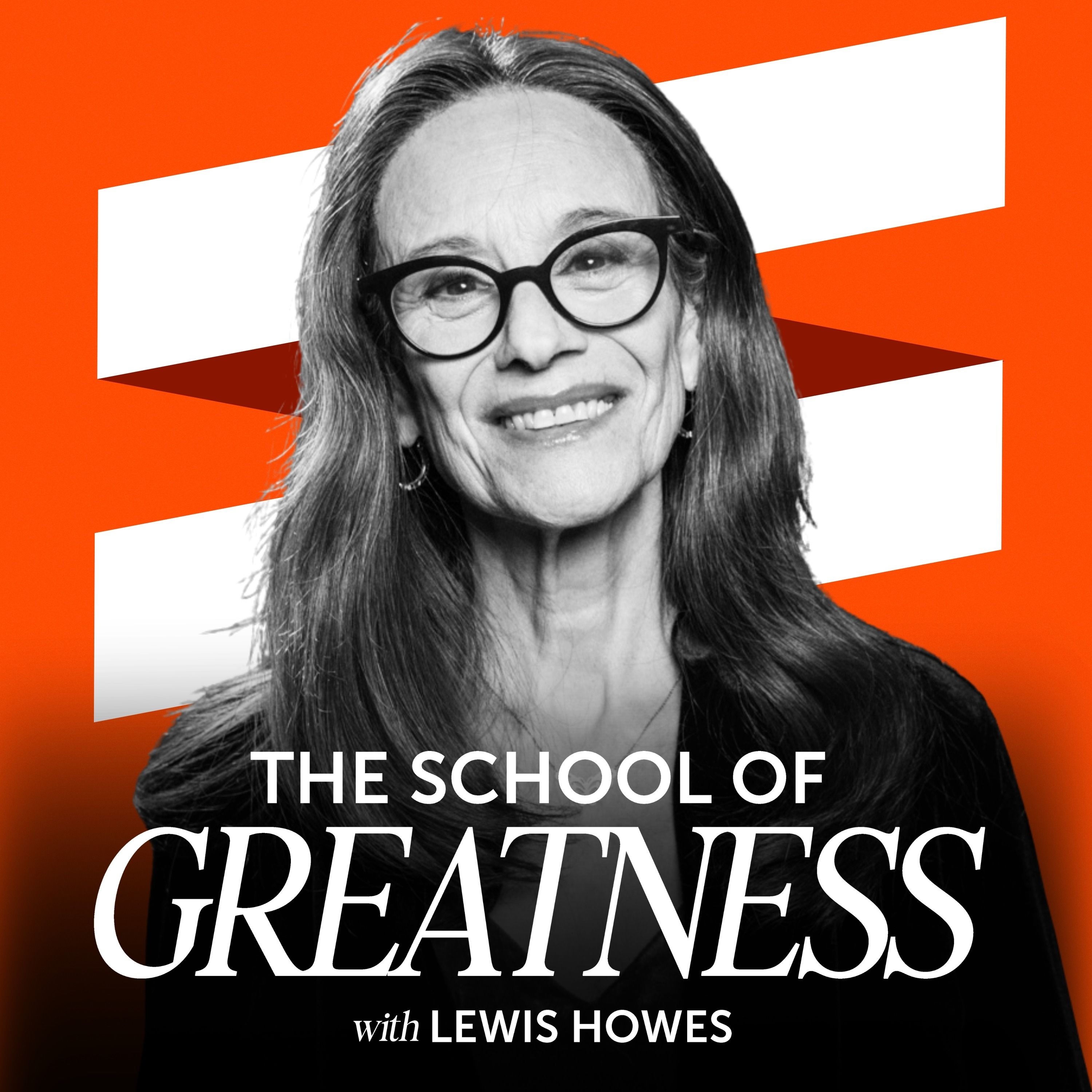
Overview of Why Healing Your Past Won't Change Your Life (School of Greatness — Lewis Howes)
Lewis Howes interviews Catherine Woodward Thomas — licensed marriage and family therapist, New York Times bestselling author, and teacher of personal transformation — about her new book, What's True About You: Seven Steps to Move Beyond Your Painful Past and Manifest Your Brightest Future. The conversation reframes healing work: understanding and grieving the past matters, but lasting change comes when you pair healing with a future-focused identity and concrete skill-building. Catherine shares clinical insights, stories (including early imprinting, dating patterns, and her cancer treatment while writing the book), and a practical seven-step framework to transform limiting core beliefs (what she calls source fracture stories) into a liberated life.
Key topics covered
- Core beliefs/source fracture stories (e.g., "I'm not good enough," "I'm alone") and how they form in early relational contexts — even prenatally.
- The difference between healing (past-focused) and transformation (future-focused).
- Why staying in victimhood blocks creativity and progress.
- The power of a positive possible future (future pull) to drive present change.
- Practical steps to reparent and mentor wounded parts of yourself.
- How identity shapes behavior: wherever you’re centered at the level of identity, you generate your life from there.
- Concrete relationship and self-leadership practices: boundaries, new ways of relating, growth mindset, power statements, self-coaching.
- Parenting advice: notice the meaning children make from events and intervene compassionately.
- Personal stories illustrating the model (audition/teaching stories, dating patterns, book deal rejection, cancer diagnosis).
The seven-step framework (high-level)
1) Claim a positive possible future
- Create a vivid, meaningful vision beyond current identity limits (not just a goal). Let this future pull your development.
2) Name your source fracture story
- Identify the core wound/identity belief (e.g., “I’m not lovable,” “I’m invisible”), often traceable to one impactful moment or pattern.
3) Mentor your wounded part / See yourself as source
- Differentiate your wise/adult self from wounded parts. Comfort and mentor the younger part rather than let it run the show.
4) Tell the truth (distinguish trauma from truth)
- Acknowledge what happened, grieve, then assert what is not true about you. Use evidence and compassionate reframing.
5) Identify and practice new ways of relating
- Learn the relational skills you missed (boundaries, reciprocity, receiving, courageous conversations). You won’t know these automatically — train them.
6) Embrace a growth mindset
- Expect development; the future you want requires learning capacities you don’t yet have. The first act of creation often involves dismantling old structures.
7) Make new choices and take new actions
- Integration comes through consistent new behaviors. Small shifts in choice create rapid new evidence for a different identity.
(These steps are integrated across Catherine’s book; she emphasizes starting with the future and using it as the context for healing.)
Main takeaways / practical actions
- Don’t make a home out of victimhood: validate your pain, grieve it, but refuse to let it define your identity forever.
- Start with a bold, positive possible future — visioning shifts motivation and behavior more than rehashing the past.
- Give age and voice to wounded parts; speak to them compassionately as an adult mentor.
- Use power statements to interrupt limiting narratives (examples given: “I was born to love and be loved,” “I have the power to grow healthy relationships”).
- Focus on skill-building (boundaries, receiving, emotional regulation) — trauma often blocked developmental capacities that you can learn now.
- When triggered, consciously shift from the wounded self to the witnessing/wiser self and choose actions from that place.
- For parents: notice subtle energy shifts in children and reframe the meaning they’re making before those meanings calcify into identity.
Notable quotes and lines
- “Healing will save your life. It won’t change your life.” — distinction between processing the past and transforming your identity for the future.
- “You can’t create from victimhood.” — victim identity blocks creative agency.
- “Wherever we’re centered at the level of identity is where we’re generating our whole lives from.”
- On future pull: “The future that we’re living into actually determines our current motivation and actions even more than the past does.”
- Catherine’s three truths (her final message): “You are the creator of your life. The purpose of life is to create heaven on earth. The essence of who you are is love.”
Stories that illustrate the model (brief)
- Prenatal/womb imprinting: anecdote of a newborn rejecting its biological mother’s breast when the mother had announced she didn’t want the pregnancy — used to show early identity formation.
- Personal pattern work: Catherine’s repeated dating of unavailable/married men traced back to feeling “not wanted” and to how she unconsciously assessed partners (chemistry vs. character).
- Turning a rejection (book proposal) into evidence of a new identity: after moving out of the “I’m not good enough” trance, her agent re-evaluated and the book deal followed.
- Writing a major book while undergoing cancer treatment — using future purpose as sustaining context.
Who benefits from this episode
- People stuck in repeated life patterns (relationships, career, identity) despite therapy or analysis.
- Anyone who feels trapped in “I’m not enough,” imposter syndrome, or chronic victim narratives.
- Parents wanting to prevent early identity wounding in children.
- Therapists, coaches, and practitioners interested in a future-focused, skills-based approach to transformation.
Recommended next steps (actionable checklist)
- Write one vivid “positive possible future” (not a small goal) and describe it in sensory detail — who you are, how you act, how others relate to you.
- Identify one recurring limiting belief (choose one area) and name the source fracture story (ask: how old is that part of me?).
- Practice a 3–5 minute self-mentoring script: name the younger part’s age, apologize/comfort, and assert one truth countering the wound.
- Create one power statement for that belief and repeat it daily (morning/evening or when triggered).
- Pick one new relational skill to learn (e.g., boundary-setting) and schedule a micro-practice this week.
- If helpful, read Catherine’s book What's True About You for guided exercises and deeper application.
Final notes
Catherine’s core message: understanding the past is necessary and life-saving, but transformation requires anchoring in a compelling future, mentoring your wounded parts from an adult presence, and learning the relational and emotional skills you missed. Practical transformation happens fast when you stop sourcing your life from victim identities and start operating from a future-focused, growth-oriented self.