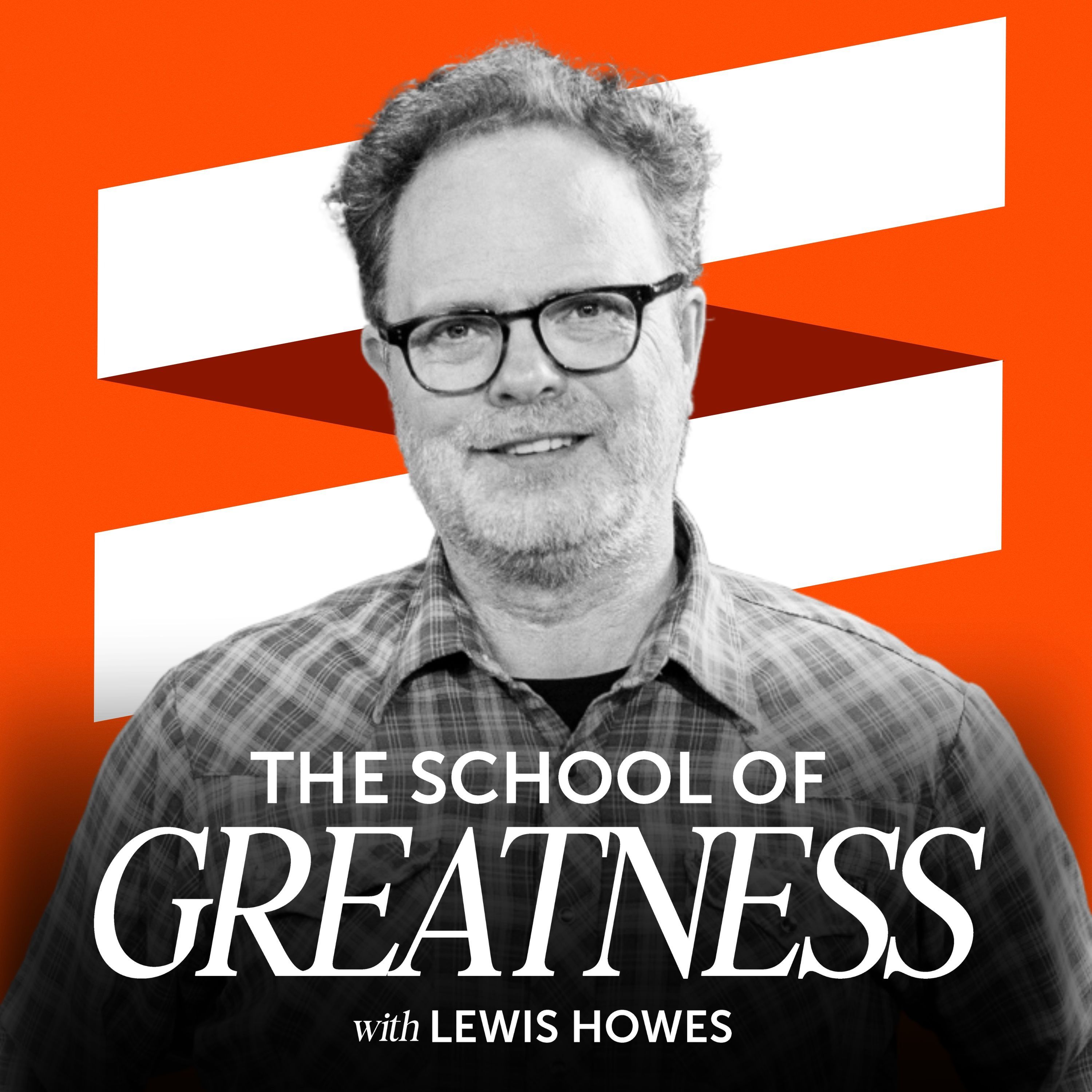
Overview of The Hidden Cost of Success Nobody Talks About | Rainn Wilson (The School of Greatness)
In this episode Lewis Howes interviews Rainn Wilson about the unseen emotional and spiritual costs of success. They explore grief, fame, addiction, authenticity, the ego, therapy and spiritual practice, and how healing inner wounds enables sustainable wellbeing. Rainn promotes his new book Soul Boom: Why We Need a Spiritual Revolution and shares candid stories—his father's death, early struggles, addiction, and the inner-child work that changed him.
Key topics discussed
- Rainn’s early unhappiness despite career success (The Office) and the paradox of fame
- Losing his father and how death reframed his view of the self as a spiritual being
- Addiction, coping strategies, and using external validation to mask inner pain
- Grief: the necessity of feeling and processing losses instead of stuffing them
- Ego (“the insistent self”) and how it drives comparison, competition, and chronic dissatisfaction
- Spiritual practices that helped Rainn: meditation, prayer, gratitude, Baha’i faith perspective
- Inner-child healing and intensive therapy retreats as catalysts for change
- The “currency of peace”: prioritizing inner peace over external success
- Relationships and marriage: spiritual partnership, gratitude, and mutual support through fame
- Practical cultural/spiritual ideas for a healthier society (compassion practice, collective spiritual growth)
- Rainn’s book Soul Boom, the Geography of Bliss project, and recommended reading/teachers (positive psychology, Jonathan Haidt, Annie Lamott, Arthur Brooks)
Main takeaways
- External success (money, fame, accolades) does not guarantee internal peace—contentment is cultivated internally.
- Grieving is essential. Acknowledge disappointment and loss fully, then move forward; unprocessed grief gets stuck and drives dysfunction.
- The ego/“insistent self” fuels comparison and chronic dissatisfaction. Awareness and daily practice reduce its hold.
- Spiritual and therapeutic practices (meditation, prayer, therapy, inner-child work, gratitude) are practical tools for healing and building resilience.
- Relationships are central to a good life—both with others (Harvard Grant Study) and with oneself (self-compassion).
- True greatness is maximizing your God‑/source‑given talents in service of others; peace is the highest form of currency.
Notable quotes & insights
- “Satan is the insistent self.” (Abdu’l‑Bahá, paraphrase used by Rainn to describe the ego)
- “This body houses us — it’s not all of who we are.” (On seeing his father’s body after death)
- “The highest form of currency right now is peace.” — Rainn Wilson
- “Life is dukkha — dissatisfaction. Accepting that helps you process disappointment instead of being consumed by it.”
- “Storytelling is one of the most powerful forces on planet Earth.” (Rainn’s view of human meaning-making)
- “Stop comparing yourself to others.” (Practical antidote to envy and the thief of joy)
Practical action items (what listeners can do)
- Practice grieving: allow yourself to feel losses and disappointments, then refocus (the “grieve the miss, then move on” tennis metaphor).
- Start or deepen a daily meditation/prayer practice to reboot and access inner peace.
- Create a daily gratitude ritual (Rainn mentions a morning group that texts five things they’re grateful for).
- Try inner-child exercises (symbolic or therapeutic) to reunite with and heal younger selves.
- Seek therapy or intensive retreats if trauma/unprocessed pain is present—professional help accelerates integration.
- Reduce comparison: limit social comparison triggers and cultivate an abundance mindset.
- Prioritize relationships—invest time and vulnerability in meaningful connections.
- Use affirmations as a scaffold but pair them with therapeutic work so emotional belief can catch up (e.g., “I am enough” + therapy/grief work).
Recommended resources & references mentioned
- Rainn Wilson — Soul Boom: Why We Need a Spiritual Revolution (book)
- Rainn’s projects: Geography of Bliss; soulboom.com
- Harvard Grant Study (75-year study on what makes a good life)
- Positive psychology authors referenced: Jonathan Haidt, Arthur/David Brooks
- Annie Lamott — Help, Thanks, Wow (three-prayer framework referenced)
- Therapy modalities and intensive programs (e.g., inner-child work, PCS retreat example)
- Practical exercises: daily gratitude lists, meditation, Build‑A‑Bear inner-child exercise (therapeutic metaphor)
Who will benefit most from this episode
- Creatives, entrepreneurs, public figures, and high-achievers questioning whether success equals happiness
- People struggling with grief, comparison, or substance/behavioral coping mechanisms
- Listeners curious about practical spiritual practices and psychotherapy tools for lasting wellbeing
- Anyone seeking frameworks to cultivate inner peace, healthier relationships, and sustainable purpose
Final notes
Rainn Wilson models candid vulnerability about addiction, grief, and ego-driven pain while offering concrete spiritual and therapeutic practices that helped him move from chronic discontent to greater peace. His core message: do the inner work—grieve, practice mindfulness and gratitude, heal the inner child—and you’ll be able to enjoy and steward success rather than be consumed by it.
For more from Rainn: soulboom.com and search for Soul Boom (book) and Geography of Bliss.