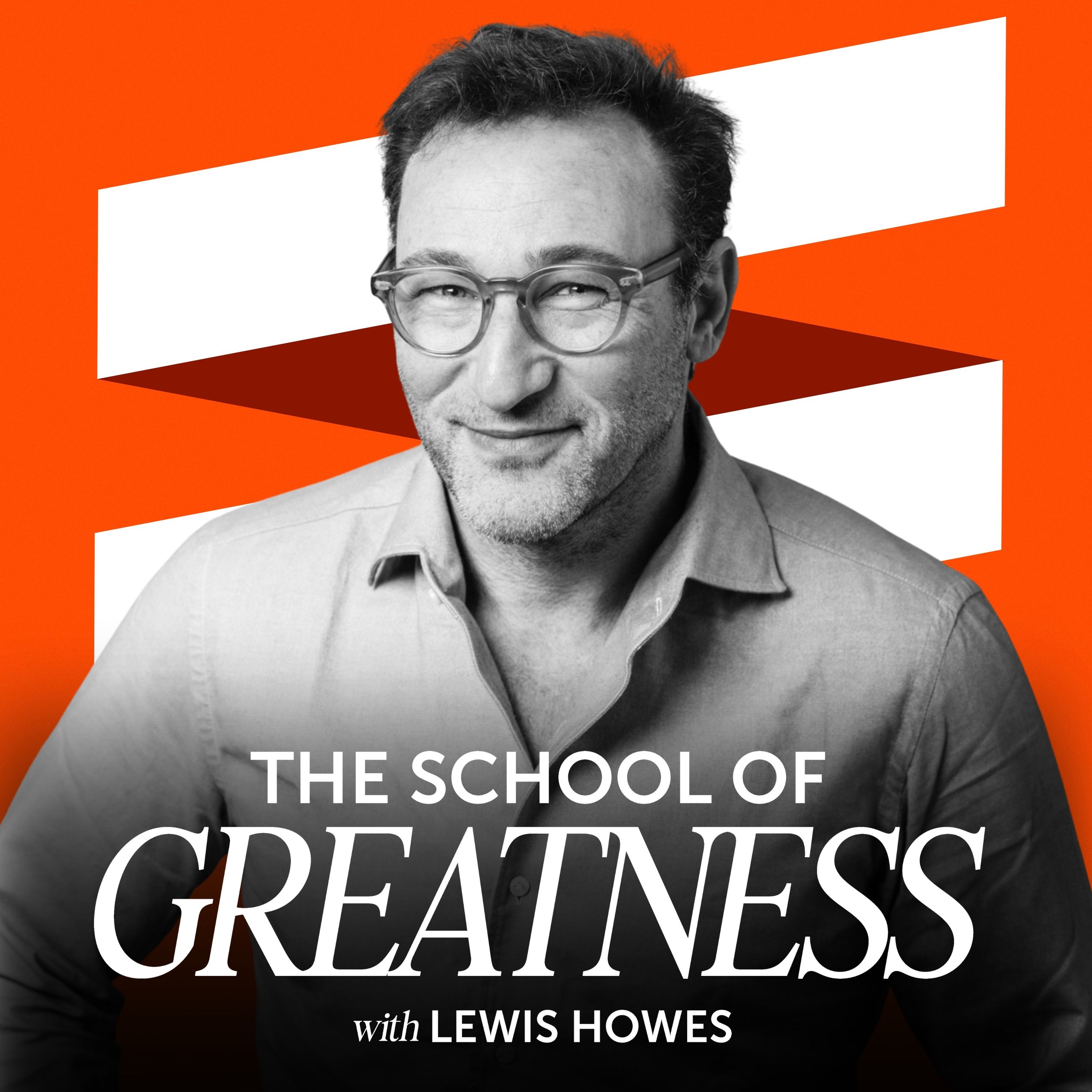
Overview of Simon Sinek: The Dangerous Myth of Online Vulnerability & Rethinking Capitalism
Lewis Howes interviews Simon Sinek on the social and human consequences of fast-moving technologies (especially generative AI), the myth of online vulnerability, how modern capitalism is failing large parts of society, and practical ways leaders and individuals can respond. The conversation weaves Sinek’s views on fear-driven social ripples, income inequality as the greatest societal risk, authentic vulnerability vs. broadcasting, the workplace’s need for co‑created boundaries, and his three core life truths.
Key topics & main takeaways
-
What AI actually is
- AI = algorithms (sets of instructions). Generative AI’s novelty is speed and fluent language generation, not original thought.
- Strengths: rapid drafting, automating first drafts (e.g., PR, content). Limitations: cannot create genuinely novel ideas; social effects (speed of adoption) matter more than the tech itself.
-
Social ripples & fear
- New tech and shifts (AI, automation) produce fear that triggers antisocial behavior if people feel unheard or threatened (coal-miner analogy).
- Leaders and institutions largely fail to listen, validate, and co-create transitions with affected communities.
-
Income inequality as the primary systemic threat
- Sinek argues income/wealth disparity will produce more social destabilization than another pandemic, war, or AI on its own.
- Contemporary capitalism (metrics-driven, short-term, executive incentives) concentrates gains and excludes workers — fueling populism and unrest.
-
Rethinking capitalism
- Proposed priority order for business: advance a purpose, protect people, generate profit.
- Companies should be transparent about expectations and boundaries so employees can self-select (e.g., Amazon’s honesty about demanding conditions).
-
Online “vulnerability” vs. real vulnerability
- Broadcasting emotions for likes is not true vulnerability; private, face‑to‑face conversations with trusted people create real safety and healing.
- Social media can create false validation and addictive dopamine-driven behavior.
-
Younger generation and workplace dynamics
- Millennials/Gen Z bring real technical skills (social media, content, algorithms) and expect different working arrangements — not simply entitled laziness.
- Parenting, social media, and changing skill sets create different expectations; older generations should recognize younger people’s capabilities while requiring responsibility and growth.
-
Personal metrics vs. measurable metrics
- Some of the most meaningful impacts (relationships, influence, long-term fitness, cultural shifts) are hard to measure; relying only on short-term metrics leads to distorted priorities.
Notable quotes & insights
- “Advance a purpose, protect people, generate profit.”
- “Influencers are freelance employees of algorithms.”
- “Work hard, play hard is a stupid philosophy. Work smart, play always.”
- “Greatness is living a life of service.”
- Authentic vulnerability: broadcasting ≠ conversation; real help comes from uncomfortable in-person conversations, not likes.
Practical recommendations & action items
For leaders and organizations
- Listen first: engage affected people when implementing disruptive changes (co-create transitions and retraining).
- Co-create boundaries and expectations: discuss, negotiate, and be transparent about work culture and the costs/benefits.
- Reframe success metrics: measure long-term impact and human outcomes, not only short-term financial KPIs.
- Adopt purpose-led priorities: put cause and people ahead of profit to create sustainable systems and reduce social friction.
- Apply guardrails to rapid tech adoption: deliberate pacing, regulation (government/industry), and ethical oversight to reduce harmful social ripples.
For individuals
- Build human skills: active listening, empathy, real‑world vulnerability, boundary-setting.
- Use tech as a tool, not a substitute for connection: prefer direct conversations over broadcasted voice notes when seeking support.
- Protect your career/cashflow: if you monetize algorithm-driven work (influencing, content), save and invest for when algorithms change.
- Practice long-term metrics: prioritize relationships, health routines, and values that don’t produce immediate quantifiable rewards.
- Co-create relationship blueprints: toss unilateral expectations; negotiate a shared blueprint with partners and teammates.
Highlights & memorable moments
- Sinek’s coal-miner analogy to explain fear-driven resistance to change.
- Personal Sept. 11 recollection — how big shocks forced reassessments of life purpose and career direction.
- The critique of modern capitalism: historical shift from CEO:worker ratios ~35x to hundreds of times higher; stock ownership concentrated among the few.
- Clear framing of generative AI: fast and useful but not a source of original thought.
- The distinction between vulnerability for audience validation vs. vulnerability for healing.
Who should listen / why it matters
- Leaders, managers, HR professionals — for frameworks on listening, co-creation, boundaries, and people-centric leadership.
- Creators and influencers — for warnings about algorithm dependency and the need to bank/invest earnings.
- Employees and younger professionals — for perspective on negotiating expectations, leveraging digital skills, and building long-term careers.
- Anyone worried about AI, inequality, or societal change — for a human-centered lens on how to respond.
Closing / Core takeaways
- Technology’s speed matters as much as its capability: rapid adoption without social planning creates dangerous ripples.
- True vulnerability happens in relationship, not on feeds.
- The biggest systemic risk today is income inequality; capitalism should be reordered to serve purpose and people first.
- Practical leadership is listening, co‑creating, and protecting people while stewarding long‑term value.
Recommended quick reads by Simon Sinek mentioned: Start With Why; Leaders Eat Last; The Infinite Game.