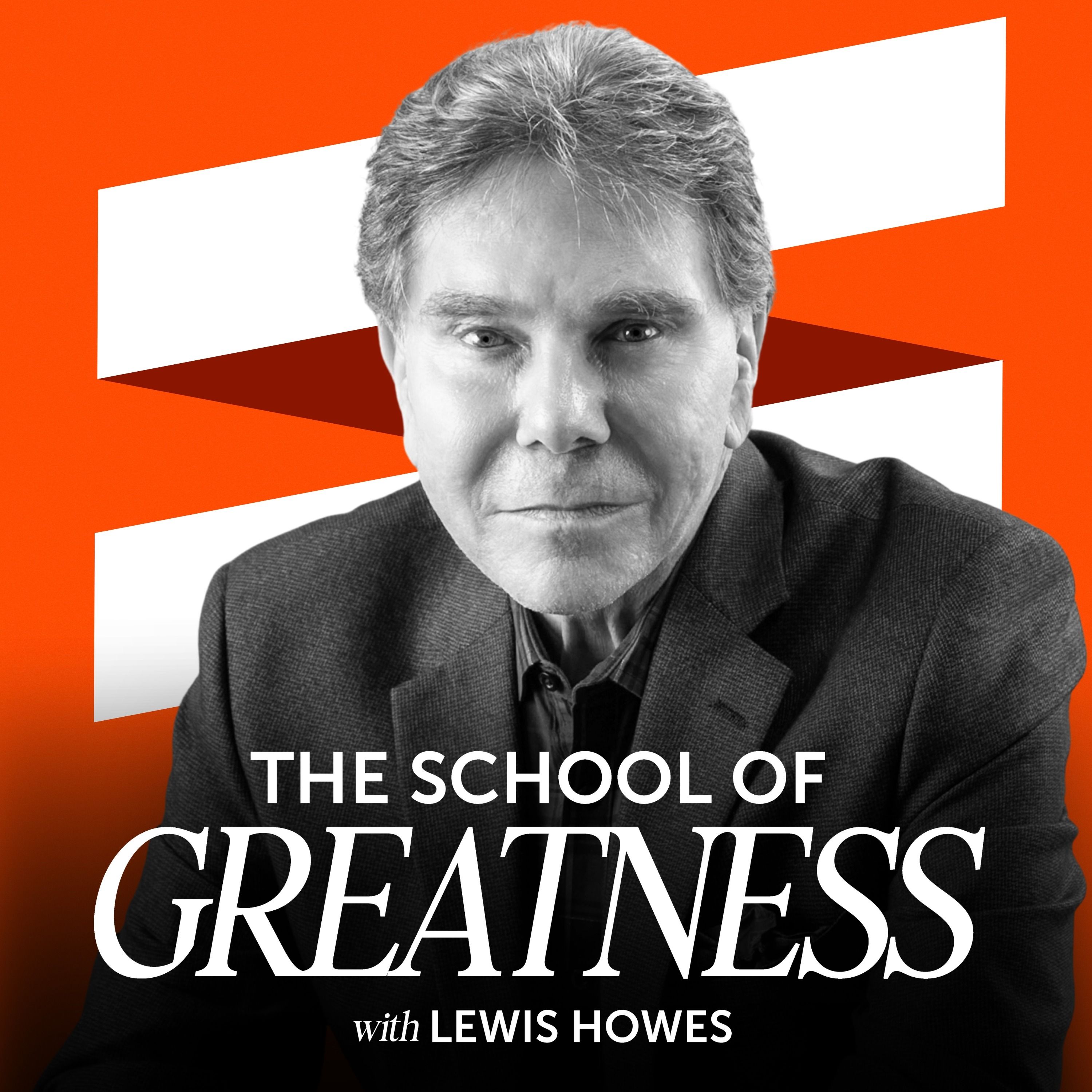
Overview of The Persuasion Trick That Took Sales From 15% to 55% | Robert Cialdini
In this episode of The School of Greatness, Lewis Howes interviews Dr. Robert Cialdini about the science of persuasion and the updated edition of his classic book Influence. The conversation breaks down Cialdini’s core principles of ethical influence—why people say yes, what builds trust, and how small changes in communication can dramatically improve sales, relationships, and leadership outcomes. A major theme throughout is that influence works best when it is genuine, service-oriented, and rooted in real human psychology.
Key Takeaways
- Influence is not about manipulation; it’s about understanding what genuinely moves people.
- Cialdini’s research identified six universal principles of influence, later expanded to seven with unity.
- Small wording changes can create large behavior changes.
- The most effective persuasion strategies are ethical, specific, and personalized.
- The strongest long-term influence comes from acting generously first and building trust over time.
The Seven Principles of Influence
1) Reciprocity
People feel naturally compelled to give back when they receive something first.
- Cialdini explains that reciprocity is a cultural universal: people are taught not to take without giving in return.
- In business, this means giving value first—information, help, concessions, or a thoughtful gift.
- Examples shared:
- McDonald’s gave kids balloons in a restaurant promotion, and sales rose 25%.
- A small yogurt gift in a restaurant led to more buying than a key ring, because it matched the customer’s immediate need.
Key idea: Make your gift relevant, thoughtful, and unexpected—not generic or obviously strategic.
2) Commitment and Consistency
People want to act in ways that align with what they’ve already said or committed to.
- Public or spoken commitments are powerful because people want to be consistent with their own identity.
- A restaurant reduced no-shows by changing “Please call if you must cancel” to “Will you please call if you must cancel?”—prompting an explicit “yes.”
- A Boy Scout troop increased popcorn sales from 15% to 55% by asking, “Do you support the Boy Scouts?” before offering popcorn.
Key idea: Get small, explicit commitments first, then build from there.
3) Social Proof
People look to what others like them are doing when they’re uncertain.
- We trust choices that appear popular, especially among people similar to us.
- Examples:
- A pub sign saying “Our most popular beer is porter” doubled porter sales.
- A restaurant that marked menu items with an asterisk as “most popular” saw 13%–20% more purchases.
- The writer who later featured Lewis Howes in Details magazine noticed social proof from retweets and press logos on his website.
Key idea: Show what comparable others are choosing, buying, or recommending.
4) Liking
We’re more likely to say yes to people we like—and people like us.
- Similarities matter: shared background, interests, values, or identity increase trust and cooperation.
- Praise matters too: genuine compliments create goodwill and openness.
- Cialdini notes that two easy ways to increase liking are:
- Pointing to similarities
- Giving sincere praise
Key idea: Research the person, find real common ground, and acknowledge what you genuinely respect.
5) Authority
People are persuaded by credible experts and visible signs of expertise.
- Cialdini distinguishes between being in authority and being an authority.
- Authority signals can include:
- Credentials
- Experience
- Awards
- Testimonials from respected people
- In one hospital example, replacing generic room decor with diplomas and certifications increased stroke patient exercise compliance by 31%.
- Moving expert quotes higher on an ad increased sales by 15%.
Key idea: Put legitimate proof of expertise where people can see it immediately.
6) Scarcity
We value things more when they are limited, rare, or at risk of being lost.
- Scarcity is powerful because loss aversion is stronger than gain-seeking.
- People are often more motivated to avoid losing something than to gain the same thing.
- A key insight: limited quantity often works better than limited time, because it creates direct competition.
- Cialdini’s example with Bose changed an ad headline from “New” to “Hear what you’ve been missing,” which led to a 45% sales increase.
Key idea: Frame offers around what people might lose or miss, but only when the scarcity is real.
7) Unity
Unity is the new principle added to the expanded edition of Influence.
- Unity goes beyond similarity: it’s about shared identity and belonging to the same “we.”
- When people feel they are part of the same group, cooperation and trust increase.
- Examples:
- Couples were more persuadable when the request was framed as “we” rather than “you.”
- Using “we,” “our,” and “us” can strengthen requests.
- Asking for advice rather than feedback creates a stronger sense of partnership.
- Co-creation with customers builds unity and loyalty.
Key idea: Don’t just show similarity—create a sense of shared identity.
Practical Applications for Business and Communication
For marketers and creators
- Give your best value upfront.
- Use social proof prominently at the top of websites or landing pages.
- Show real credentials and testimonials early.
- Make offers feel limited in a truthful way.
- Ask for advice or input to create collaboration.
For managers and leaders
- Make commitments explicit and public.
- Use wording that reinforces responsibility and follow-through.
- Praise commitment, not just progress.
- Frame goals in terms of “we” and “our team.”
For relationships and networking
- Lead with generosity.
- Be specific and genuine in compliments.
- Look for shared identity, not just surface-level commonality.
- When asking for honesty or vulnerability, begin by sharing honestly yourself.
Notable Insights
- “We feel obligated to give something in return when someone gives something to us.”
- “The more we can personalize what we give, the more people feel like they really want to give back.”
- “If you ask for advice, they come and stand next to you psychologically.”
- “Scarcity is about loss.”
- “Unity is not just similarity—it’s shared identity.”
Final Thought
Cialdini’s core message is that ethical influence starts with understanding people deeply and acting in ways that genuinely serve them. The most effective persuasion is not pressure—it’s alignment: giving first, being trustworthy, and helping others feel seen, valued, and included.