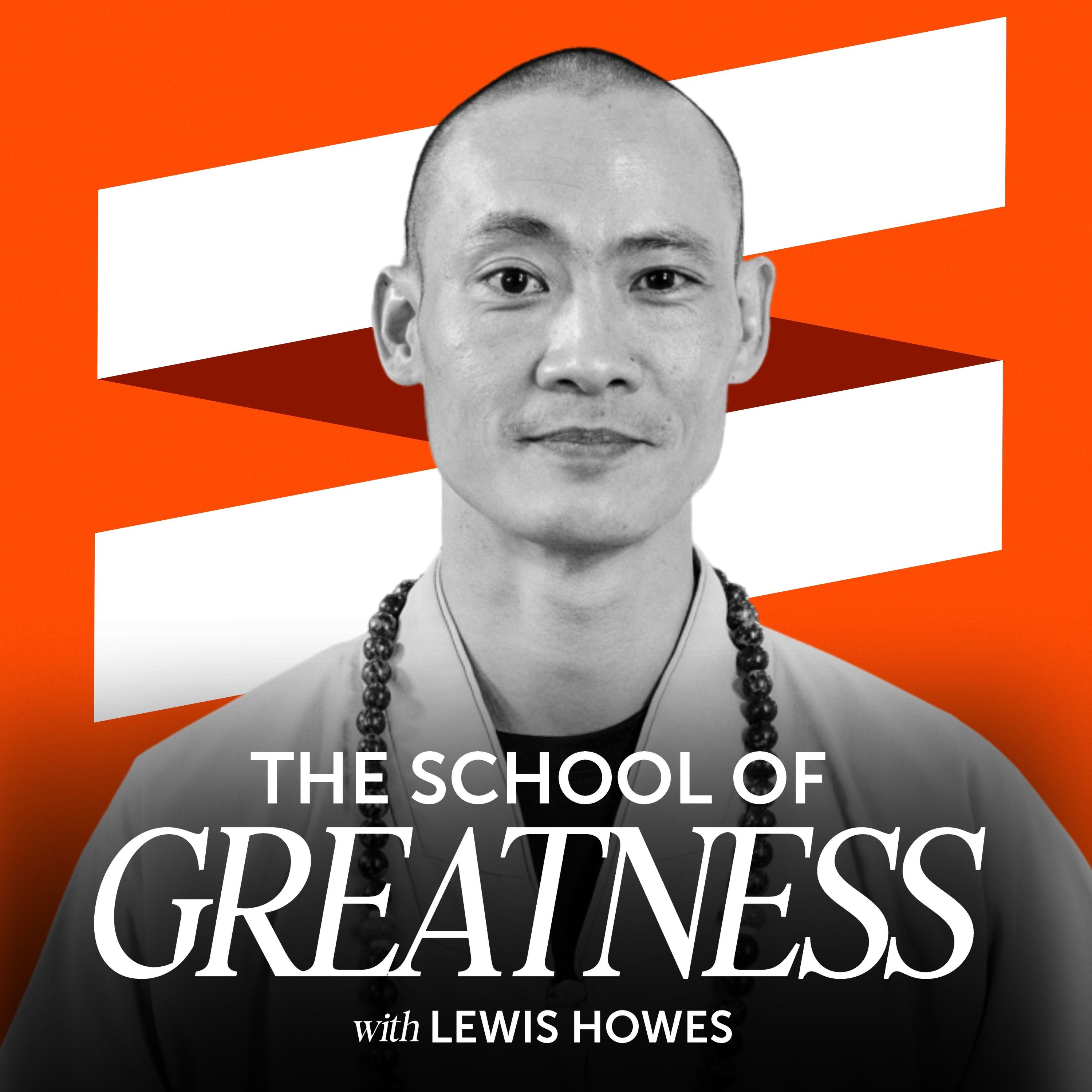
Overview of The Ancient 4-Step Method to Clear Your Mind | Shaolin Master Shi Heng Yi
In this conversation, Lewis Howes speaks with Shaolin Master Shi Heng Yi about mental clarity, manifestation, discipline, and self-mastery. The discussion centers on Buddhist and Shaolin principles for working with the mind, turning vision into reality, and balancing inner softness with outer strength. A major theme throughout is that lasting change comes from consistent practice, gratitude, and learning to observe yourself rather than identify with passing thoughts and emotions.
The RAIN Method for Clearing the Mind
Shi Heng Yi explains a four-step process called RAIN for handling difficult mental states and “hindrances”:
R — Recognize
- Notice when a negative or distracting mental state is present.
- Examples include ill will, depression, restlessness, skepticism, and other reactive emotions.
A — Accept
- Acknowledge that the state is there instead of resisting it.
- What is denied cannot be transformed.
I — Investigate
- Ask where the feeling came from, what triggered it, and what deeper patterns or past experiences may be behind it.
- This is a process of getting familiar with the feeling rather than fighting it.
N — Non-identification
- Realize that the feeling is not your permanent identity.
- Thoughts and emotions come and go; they do not define who you are.
Manifesting a Vision: Heaven, Man, Earth
Shi Heng Yi uses the concept of heaven, man, earth to explain how manifestation works.
Earth: the physical, visible world
- Represents the body, material reality, limits, and mortality.
- Since the body is fed by the earth, health depends on what you take in: food, drink, breath, and environment.
Heaven: the mind, imagination, and the borderless
- Represents the ability to imagine what does not yet exist.
- Thoughts can create fears or visions before they appear in reality.
Man: the bridge between both
- Human beings stand between the physical and the mental.
- Manifestation happens when inner vision is translated into outer form through action.
How to Turn a Dream Into Reality
Shi Heng Yi says manifestation requires both vision and structure:
- Make a plan and break it into small, workable steps.
- Write it down or speak it aloud so the idea enters the visible world.
- Know your current location first: your skills, time, resources, and experience.
- Build the necessary abilities through practice.
He emphasizes that different people start from different places, so the path cannot be copied exactly from one person to another.
Kung Fu as Skill Through Effort
A major point in the interview is that Kung Fu means attaining skill through hard work.
- Skill cannot simply be wished into existence.
- True mastery comes from training, repetition, sweat, and suffering.
- What makes a person unique is not just talent, but the ability they have developed through disciplined effort.
He also notes that in martial arts, you are not judged by how much you can talk, but by whether something actually works.
Why People Fail to Manifest
Shi Heng Yi suggests that failure is often a matter of time, repetition, and readiness:
- People repeat the same mistakes until they truly learn from them.
- Many people are not yet ready to be taught.
- Growth often begins when someone starts asking different, deeper questions.
He compares it to touching a hot plate: some lessons must be felt repeatedly before they are finally understood.
Balance: Strength Without Hardening the Heart
Lewis asks how to become stronger without losing compassion. Shi Heng Yi’s answer is simple: balance.
To develop well, he recommends:
- A healthy body
- Performance-oriented physical training
- Surrounding yourself with people who are further along
- Learning from mentors or masters
- Keeping the heart open while training discipline
He also stresses that spiritual and mental development should not become extreme or one-sided.
Mind Training, Gratitude, and Cycles
Shi Heng Yi says the mind needs both focus and openness.
- Sometimes you need to do “important” things.
- Sometimes you need to do “unimportant” things to stay flexible and open-minded.
- Development works best in cycles, where you focus on one area for a dedicated period rather than scattering attention across too many goals.
Gratitude as a Practice
- Gratitude is not just a polite expression; it is a feeling that must be cultivated.
- He says gratitude is essential for abundance and for becoming a “magnet” for the life you want.
- In his monastery, gratitude is part of the evening ceremony.
Three Final Lessons He Leaves Behind
When asked to leave behind only three truths, Shi Heng Yi gives these:
-
A flower in a pot
- A symbol of care, nature, and quiet wisdom.
- Some truths do not need words.
-
Keep community
- Don’t insist on always being right.
- Support matters more than ego.
-
Everything is repeating
- Growth, struggle, and lessons all recur.
- Life keeps teaching the same patterns until they are truly understood.
Definition of Greatness
For Shi Heng Yi, greatness means:
- Impacting something beyond yourself
- Serving the world, not just your own success
- Expanding your peace, wealth, and wisdom so they benefit others too
In short, greatness is self-mastery in service of something larger than the self.