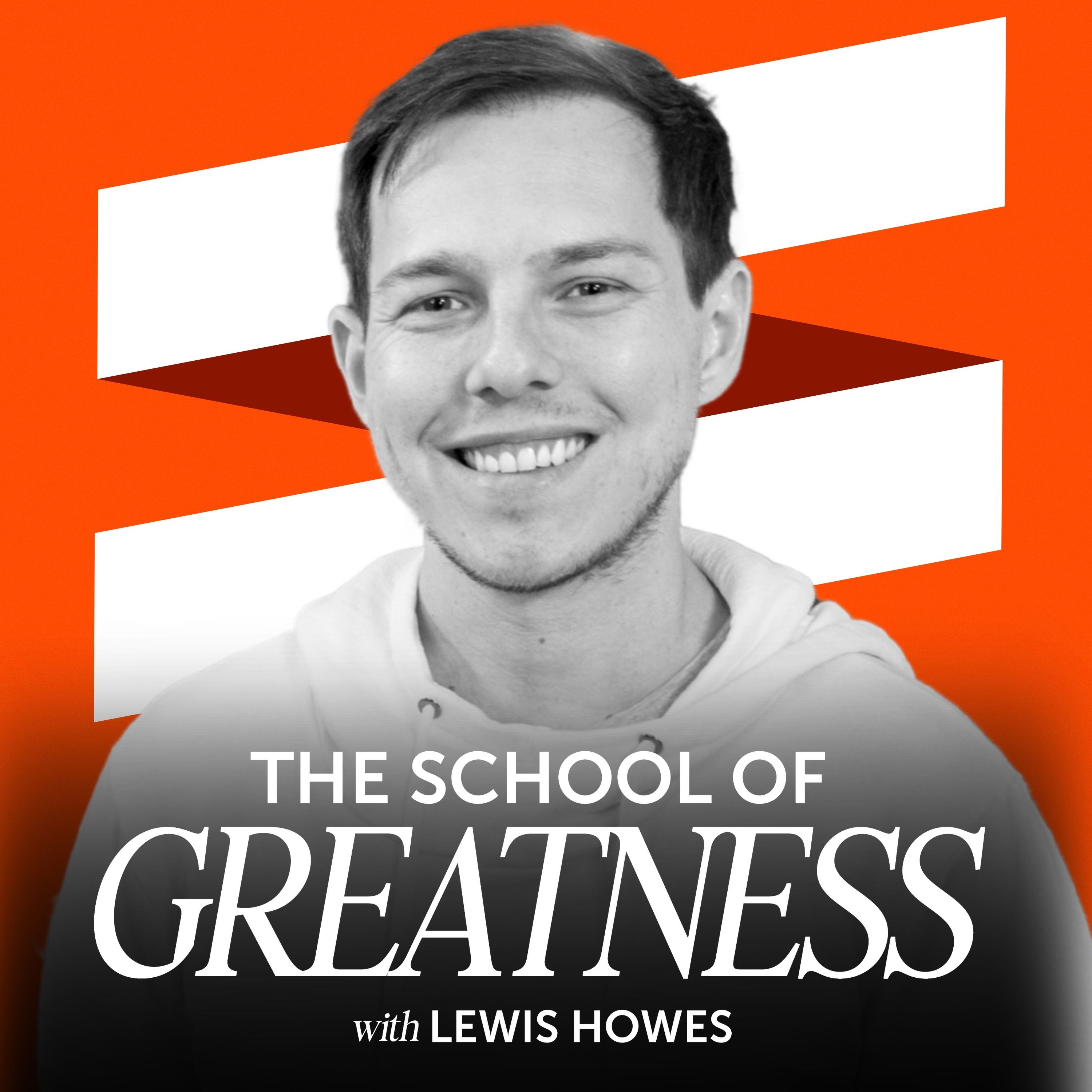
Overview of How to Build a Million-Dollar Portfolio Starting From Nothing with Graham Stephan
In this conversation, Lewis Howes interviews investor, real estate agent, and YouTube creator Graham Stephan about how he built wealth from scratch, the habits that shaped his financial success, and how he thinks about money, risk, and long-term freedom. Graham emphasizes consistency, frugality, focused effort, and learning from people ahead of him. He also shares how real estate, YouTube, and index fund investing helped him cross his first million in net worth and how he now balances cash, real estate, and market investing while staying cautious about lifestyle inflation.
Key Themes and Takeaways
1. Wealth was built through discipline, not luck
Graham repeatedly points to a few early habits that made the biggest difference:
- Consistency: doing the same productive actions over and over.
- Focus: choosing one main path and getting very good at it.
- Extreme saving: living far below his means for years.
He describes being almost obsessive about money early on, calculating whether small purchases were “worth it” in terms of time or labor.
2. His money mindset came from collecting, saving, and observation
Graham says he didn’t grow up with formal money education, but he naturally gravitated toward saving and collecting:
- He was fascinated by coin collecting as a child.
- He saved birthday and holiday money instead of spending it.
- He read The Millionaire Next Door at a young age, which reinforced the idea that many millionaires are frugal and ordinary-looking, not flashy.
That early exposure shaped his belief that wealth is built by accumulating assets, not by appearing rich.
3. Real estate and YouTube were the two biggest engines of growth
His first million in net worth came in 2019, driven by a combination of:
- Real estate commissions
- YouTube income
He explains that YouTube changed his thinking because it offered leverage:
- He could create content once and earn from it repeatedly.
- Unlike real estate, YouTube could scale globally without requiring him to be physically present.
- It opened up networking, audience building, and long-term optionality.
4. He values practical, compounding investments
When asked about the best physical investments, Graham points to:
- A good computer
- A good camera
- Real estate, especially rental properties
He says those tools improved his work efficiency and content creation, while real estate became the foundation of his net worth.
5. His portfolio is intentionally diversified and conservative
Graham says he currently has roughly:
- Real estate
- Index funds
- Cash
spread in a near three-way balance. He invests daily into index funds and keeps a large cash position earning Treasury-like yields while waiting for the right real estate opportunities.
Money, Spending, and Mindset
Frugality is still a core trait
Even after becoming wealthy, Graham says he still naturally compares prices, thinks in percentages, and avoids emotional spending. Examples he gives include:
- Choosing cheaper food options even when out with friends
- Taking leftover food home to avoid waste
- Looking for value before spending on experiences or purchases
He admits this can border on scarcity mindset, but he sees it as one reason he has been able to keep wealth and avoid reckless lifestyle inflation.
He uses a strict mental framework for money
Graham breaks incoming money down like this:
- Assume 40% goes to taxes and fees
- Treat the remaining amount as what can actually be invested or used
- Then think of a 4% withdrawal rate as a rough measure of long-term sustainability
This helps him view income through the lens of long-term passive income rather than immediate spending power.
Real Estate Lessons
House hacking is one of the best strategies for ordinary people
For someone with extra cash, Graham recommends house hacking if possible:
- Buy a duplex, triplex, or similar property
- Live in one unit
- Rent out the others
- Reduce housing costs while building equity
He calls housing one of the largest expenses most people face, so reducing it can have an outsized effect on wealth building.
Buying vs. renting depends on the market
His view is nuanced:
- In expensive cities like Los Angeles, renting is often cheaper than buying.
- If you plan to stay somewhere 7–10+ years, owning may make more sense.
- You have to factor in closing costs, maintenance, taxes, and commissions.
He also strongly criticizes California’s tendency to solve problems through taxation rather than structural fixes.
Moving to Las Vegas improved his quality of life
Graham explains that leaving Los Angeles for Las Vegas made sense because:
- The housing was much cheaper and larger
- The quality of life improved
- Traffic and property taxes were better
- He could build a bigger office and studio setup
- The community felt friendlier and more connected
He still appreciates LA for its energy and variety, but says Vegas is a better lifestyle fit for his current phase of life.
Career Lessons from Real Estate
Real estate taught him persistence and people-reading
Some of the biggest lessons he says he learned from real estate sales:
- Don’t give up
- Learn to read people
- Expect that not everyone is genuine
- Realize that time is valuable
He tells a memorable story about wasting time with a fake ultra-wealthy buyer who turned out to be completely unserious, which taught him the importance of vetting clients.
The first big deal validated his path
His first major sale was a $3.6 million home at age 19. That commission gave him a major confidence boost and also introduced him into higher-level social and professional circles.
He says being around ambitious, successful people made financial success feel possible much earlier than it would have otherwise.
Thoughts on Investing, Risk, and Mistakes
He prefers index funds and cash over speculation
Graham is highly conservative overall. He says he buys index funds daily and likes keeping cash in safe, yield-bearing vehicles while waiting for better opportunities.
He looks for real estate deals only when the risk-reward is compelling enough to justify moving.
His worst loss was an individual stock pick
His biggest investment mistake was buying Robinhood stock as a speculative position:
- Roughly $200,000 invested
- Lost about 60–70% before selling
He says that kind of move was dumb, but still small relative to his total portfolio. It reinforced his preference for broad diversification over stock picking.
Crypto and NFTs: cautious curiosity, but not conviction
Graham’s view on newer assets:
- NFTs: never really made sense to him
- Bitcoin/Crypto: he experimented with it, traded it for fun, and sees long-term potential in blockchain use cases
- AI: he believes it is still early and could become a major hype cycle, but also a major tool
He thinks AI could eventually create hyper-specific, customized tutorial videos and content, which would be transformative for education and search.
Relationships, Lifestyle, and Personal Growth
Frugality has not hurt his relationship
Graham says his conservative money habits haven’t hurt his relationship with Macy. He believes:
- Quality time matters more than expensive dates
- Many meaningful relationship experiences are cheap or free
- His partner is frugal in her own way, though a bit more flexible than he is
He admits he has loosened up somewhat over time, especially now that he can afford to.
He wants more freedom, not just more money
His long-term goal is not luxury for its own sake. He wants:
- More free time
- Less pressure to constantly produce
- More time to read, travel, and enjoy life
- The ability to be present instead of always thinking about work
He says that even when he is with people, part of his brain is often still thinking about YouTube and content.
Goals Going Forward
Financial target: $1 million per year in passive income
By 2030, Graham says he’d like to be earning about $1 million a year in passive income. He estimates that would likely require:
- Around $25 million invested in safe assets
- Possibly less if some of the capital is in strong real estate deals
He says that would give him the freedom to buy back his time and travel more.
Lifestyle goal: more experience, less grind
If he had more passive income, he says he would likely spend it on:
- More travel
- First-class flights
- A bigger aquarium
- Possibly a van-life road trip across all 50 states
But more than spending, the bigger goal is simply having more control over his time.
Final Lessons and Definition of Greatness
Three big truths Graham emphasizes
If he had to leave behind only a few lessons, they would likely be:
- Believe in yourself
- Be confident enough to be authentic
- Care less about what others think
He believes people are naturally drawn to confidence and authenticity.
His definition of greatness
Graham defines greatness as:
- Helping other people
- Making a positive impact on someone’s life
- Being the reason someone changed their finances, confidence, or direction
He says that hearing from people who turned their finances around because of his videos is deeply meaningful, and that kind of impact is what matters most to him.