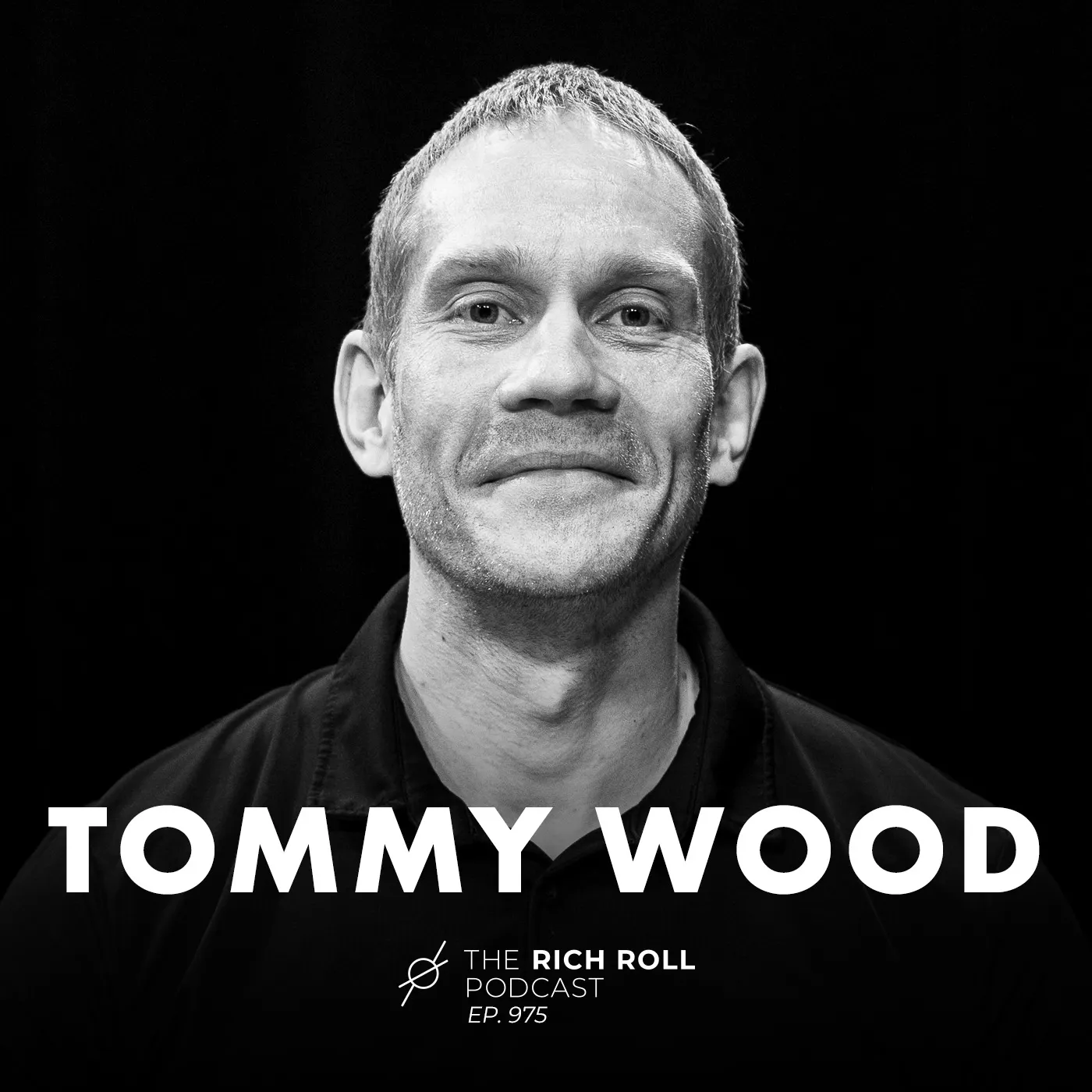
Overview of Future-Proof Your Brain from Dementia & The Lifestyle Levers That Keep You Sharp with Neuroscientist Dr. Tommy Wood
This episode (host Rich Roll interviewing Dr. Tommy Wood) summarizes evidence-based, practical approaches to preventing cognitive decline and reducing dementia risk across the life course. Dr. Wood—UK-trained physician and researcher—frames brain health in a simple, actionable model and emphasizes that a large fraction of dementias are potentially preventable through lifestyle, medical management, social and psychological approaches. The conversation balances research (Lancet Commission, FINGER/POINTER, randomized trials) with concrete, everyday recommendations.
Key takeaways (quick)
- At least ~45% (some analyses up to ~70%) of dementia cases are potentially preventable by addressing modifiable risk factors.
- Brain health = 3S model: Stimulus (how you use your brain), Supply (cardiovascular, metabolic and nutrient support), Support (sleep, recovery, trophic factors; avoid toxins and chronic stress).
- Evidence-based pillars: regular movement (multiple modalities), nutrient adequacy, cognitive and social stimulation, sleep quality, cardiovascular/metabolic risk control, and psychological resilience (self‑compassion, purpose, community).
- It’s rarely “one pill” or a single supplement. Whole-system changes produce ripple effects across many risk domains.
- It is almost never “too late” — interventions in mid and late life still move trajectories and can improve structure/function.
The 3S model: Stimulus, Supply, Support
- Stimulus: Active, focused cognitive engagement (learning new skills, languages, music, complex jobs, social interaction, avoiding passive multitasking) drives neuroplasticity. Rich, deep learning (including making mistakes) is what builds and maintains brain function.
- Supply: Adequate blood flow, metabolic health and essential nutrients (B-vitamins, omega‑3s, vitamin D, iron, magnesium, zinc, antioxidants, choline, etc.) are needed to fuel and build neurons/synapses. Cardiovascular/metabolic risk factors (HTN, T2D, dyslipidemia, obesity) are major dementia risks.
- Support: Sleep, recovery, trophic factors (exercise‑induced BDNF), hormones and stress management consolidate gains. Avoid chronic alcohol, smoking, poor air quality, and anticholinergic drugs that impair cognition.
Notable quote: “How we use our brains is the primary determinant of how they will function.”
Exercise: types, why they matter, and practical prescription
- General principles: Movement is evolutionarily essential; multiple movement types benefit different brain structures and functions. Aim for a mix rather than a single “perfect” protocol.
- Daily activity: Break up sitting; light activity (exercise snacks) boosts mood and blood flow. Target roughly 8,000–12,000 daily steps (or equivalent mobility).
- Aerobic (brisk walking, cycling, jogging): benefits hippocampus and memory; preserves gray matter.
- High-intensity interval training (HIIT / sprint work): intensity-dependent release of factors (lactate, BDNF) that strongly support hippocampal structure and function. Example protocol used in studies: Norwegian 4×4 (4 min @85–95% HRmax ×4, with rest intervals) — but lots of interval forms work. HIIT benefits have been sustained years after training in some trials.
- Resistance training (2×/week; full-body, 3×8–12 sets): supports white matter, executive function, strength, power and fall prevention. Strength (functional) is often more important than absolute muscle mass. Include power elements (speed/jumping) for older adults to preserve rapid force generation.
- Coordinative/open‑skill sports (dance, tennis, martial arts, team sports): improve processing speed and global cognition; combine social interaction.
- Practical weekly template: regular daily movement; 2 sessions resistance; 1–2 aerobic sessions with at least one including higher intensity/intervals; coordinative/social activity (dance, sport, martial art).
Nutrition: energy, nutrients, pattern
- Three interacting features: energy (total calories, metabolic health), nutrients (vitamins, minerals, omega‑3s, polyphenols), and pattern (sustainable dietary habits).
- Metabolic health is a major lever—overfeeding, obesity, insulin resistance and high blood pressure increase dementia risk. But very low energy availability (chronic underfueling) also harms brain structure and function.
- Key nutrients to monitor/ensure:
- B‑vitamins related to methylation (B12, folate, B6, riboflavin) — homocysteine as a marker (target <13 µmol/L, ideally <10).
- Omega‑3 long-chain fatty acids (DHA + EPA) — omega‑3 index target ≥6% (ideally ≥8%).
- Vitamin D — target ~40–60 ng/mL (avoid excessive supplementation).
- Iron (ferritin, transferrin saturation) — avoid deficiency & investigate high hemoglobin in older adults (possible sleep apnea).
- Magnesium, zinc, antioxidants (polyphenols; blueberries, berries), lutein/zeaxanthin, choline (eggs, whole grains, soy) and fiber (microbiome support, fermented foods).
- Whole foods preferred (seafood + varied colorful plants) because of “nutritional dark matter” — compounds in whole foods may interact beneficially. Supplement when diet or tests indicate deficiency or limited intake (e.g., little/no seafood).
- Practical food reminders: prioritize seafood (or supplement), blueberries and other berries, diverse colored vegetables/fruits, sufficient protein, fermented foods, and reduce calorie-dense nutrient-poor ultra‑processed foods and added sugars.
Supplements: where they can help (and typical guidance)
- Use supplements strategically when testing or dietary limitations indicate need. Focus on low‑risk, high‑upside options:
- Omega‑3 (DHA+EPA): for those not eating seafood. Typical effective supplemental range ~1–4 g/day total EPA+DHA; check omega‑3 index.
- Creatine: evidence for cognitive benefit (sleep deprivation, concussion, some age-related decline). Typical long-term dose 5 g/day (10 g for larger persons or some practitioners use 0.1 g/kg). Loading protocols (0.3 g/kg/day) increase brain creatine faster but are not required for chronic benefit. Creatine is safe and well-studied.
- B‑vitamin complex (B12, folate, B6, riboflavin): if homocysteine elevated or B-vitamin deficiency.
- Vitamin D: supplement if levels low — aim for 40–60 ng/mL; beware excess.
- Magnesium: commonly low and may support sleep; consider if deficient or sweating a lot.
- Avoid “one-size-fits-all” claims. Many single-supplement trials fail because participants aren’t deficient or because nutrients interact (omega‑3 benefit depends on B‑vitamin status, etc.). Test first where possible.
Sleep and recovery
- Sleep consolidates learning, clears metabolic waste (glymphatic system), and supports emotional processing. Chronic sleep <6 hours associates with higher dementia risk; aim for a personal 7–9 hour range (or 6–10 depending on the person) and wake refreshed.
- Avoid chronic use of alcohol, sedating antihistamines (anticholinergic burden), and long-term hypnotics without medical oversight; these can impair sleep architecture and are linked to cognitive risk.
- Interventions: prioritize sleep opportunity (time in bed), consistent timing, wind-down routine, reduce late-day caffeine/alcohol, treat sleep apnea (a major dementia risk), and use CBT-I for insomnia if needed.
- Wearable sleep metrics can be useful for trends but may mislead if they change behavior/expectations (orthosomnia). Use data with cognitive distance — review trends, not daily noise.
Mindset, social environment, and psychological factors
- Self‑compassion, purpose, social connections and stimulating roles are powerful protective factors. Social isolation, low education, sensory loss (hearing/vision), and socioeconomic deprivation are major dementia risk contributors.
- Learning, making mistakes, and being comfortable in beginner’s vulnerability drives neuroplasticity—seek new skills and supportive social contexts to practice them.
- Psychological framing matters: anticipating negative outcomes (e.g., “that sugar will wreck me”) can worsen physiological responses; optimistic/resilient framing and self‑compassion improve adherence and outcomes.
Important tests and markers to consider
- Blood pressure (treat hypertension).
- Blood sugar: fasting glucose, HbA1c (identify prediabetes/diabetes).
- Lipid panel and cardiovascular risk markers (LDL/APOB, triglycerides, HDL).
- Vitamin D (25‑OH D) — aim ~40–60 ng/mL.
- Homocysteine (target <13 µmol/L; ideally <10) — indicates B‑vitamin adequacy.
- Omega‑3 index — aim ≥6% (≥8% ideal).
- Iron panel: hemoglobin, ferritin, transferrin saturation/TIBC (watch both low ferritin and unexpectedly high hemoglobin).
- Consider magnesium, B12, and renal/liver panels per clinical context. Discuss with your clinician for personalized interpretation.
Simple starter action plan (what to do this week)
- Check baseline vitals & labs: BP, fasting glucose/HbA1c, lipid panel, vitamin D, homocysteine, iron panel, and consider omega‑3 index.
- Move more immediately: break long sitting every 30–60 min; add two resistance sessions/week + one higher-intensity/interval session every 1–2 weeks; add coordinative/social activity (dance, martial art, racket sport).
- Sleep hygiene: set regular sleep window, reduce late caffeine/alcohol, and get evaluated for sleep apnea if risk factors exist.
- Improve diet pattern: add seafood (or omega‑3 supplement), daily berries/colored vegetables, adequate protein (older adults: 1.2–1.6 g/kg target), and reduce ultra‑processed, calorie‑dense foods.
- Add one new cognitive/social skill/hobby (group class if possible) and practice self‑compassion.
- If you don’t eat seafood, consider an omega‑3 supplement (1–4 g/day EPA+DHA) and discuss creatine (5 g/day) with your clinician if appropriate.
Evidence highlights referenced
- Lancet Commission on Dementia Prevention: modifiable risk factors estimate ~45% of cases potentially preventable (updated 2024).
- UK Biobank analysis: some estimates up to ~70% preventable under certain assumptions.
- FINGER and POINTER-style multi-domain intervention trials show cognitive benefits from combined diet, exercise, vascular risk control and cognitive training in at‑risk older adults.
- HIIT vs. moderate aerobic trial in older adults: HIIT yielded greater hippocampal changes and learning improvements sustained years later; resistance training trials improved white matter and executive function.
Closing message (authoritative encouragement)
- You have substantial agency over your cognitive trajectory—at any age. Start with one doable, sustainable change (movement, sleep, nutrient testing, or a new cognitive/social activity). The factors interact: improving one often improves others. Small, consistent wins compound into meaningful dementia risk reduction and better day‑to‑day mental function.
Notable soundbite: “Find one thing you can start that feels doable. When you change one thing, the whole network starts to shift in your favor.”
For more detail, protocols and practical examples Dr. Wood’s book The Stimulated Mind is the deeper resource recommended in the episode.