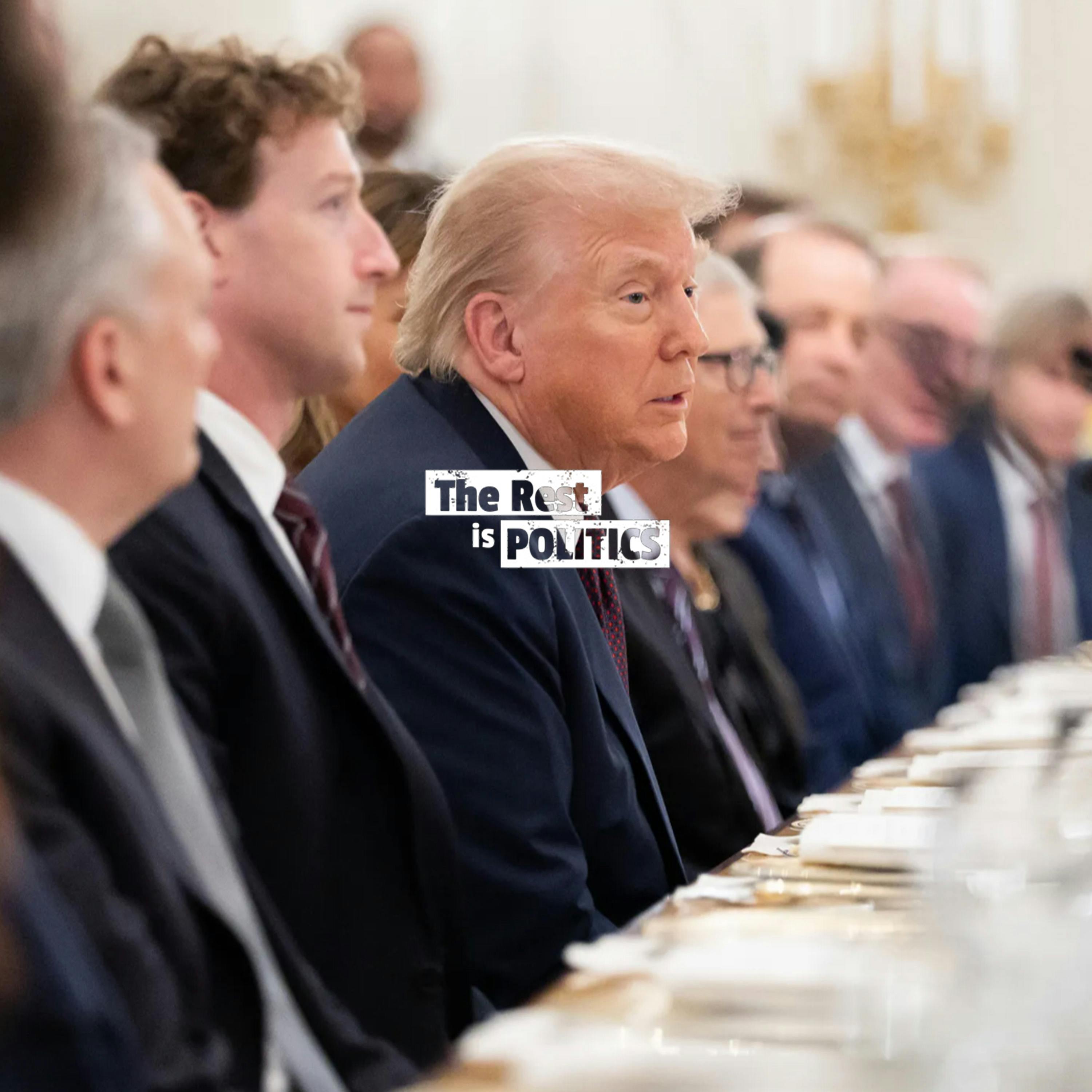
Overview of The Future of Warfare: Anthropic vs OpenAI
This episode (from The Rest is Politics’ AI miniseries, hosted by Rory with guest Matt Clifford) examines the recent public row between Anthropic and the U.S. Department of Defense, and uses it as a lens to explore wider questions about AI, defence dependencies, geopolitics, and what democracies should do now to manage frontier AI safely and strategically.
Key takeaways
- Modern defence systems are increasingly service- and software-dependent rather than hardware-only. Buying capabilities often means buying ongoing services and engineers, which creates leverage for private firms.
- Private companies can, and do, set operational “red lines” for how their technology is used. This raises tensions when governments want to deploy systems for national security.
- The Anthropic–DOD standoff is symptomatic of a new era where tech companies, governments, and geopolitics intersect—and can be negotiated publicly (e.g., on Twitter).
- Competition between AI firms risks accelerating unsafe deployments (e.g., autonomous weapons) if market pressure overrides caution.
- Political context matters: unpredictable or transactional administrations (the discussion cites the Trump-era dynamics) complicate coordinated safety and regulatory responses.
- Democracies currently lack sufficient domestic compute and frontier AI assets to bargain effectively with the U.S. or China—strengthening national/regional AI infrastructure is urgent.
- China may have more centralized, long-term protocols for AI development than western democracies do, which is a strategic disadvantage for the latter if they remain fragmented.
Topics discussed
- The Anthropic vs. Department of Defense dispute over usage constraints for AI models.
- Examples of private firms limiting or withdrawing services (Starlink, defence contractors, prison maintenance companies).
- How modern military equipment frequently requires ongoing contractor support (Afghanistan example: grounded helicopters after contractors left).
- The dangers of a live, public negotiation between private AI firms and government actors.
- Geopolitical implications: EU/UK strategic posture, alliances, and the need for domestic compute capacity.
- The role of political leadership and administrative style in shaping AI governance and safety.
Notable quotes and insights
- “If what you’ve purchased is a hand grenade, nobody can stop you using a hand grenade. But increasingly what we’re buying are services.” — highlights the shift from consumable weapons to dependent systems.
- “It’s the first live negotiation on Twitter between a private company and the Department of Defense.” — on public, ad-hoc bargaining over crucial tech.
- Observation: we’re “unlucky” to be developing world-changing AI in a politically volatile environment, which raises risks around regulation and enforcement.
Recommendations / Action items (for policymakers & stakeholders)
- Build domestic compute and frontier-model capabilities (national or multinational centers) so democratic governments have leverage and sovereignty over critical AI assets.
- Form coalitions of democracies (EU + UK + like-minded partners) to pool resources—compute, chips, talent—and host at least one frontier model under democratic governance.
- Draft clear procurement and contractual rules for defence tech that anticipate software- and service-dependencies (including clauses on updates, escrow, audits, and continuity plans).
- Consider contingency planning for nationalization/temporary control of critical private infrastructure in wartime or emergency scenarios.
- Create transparent negotiation channels and protocols (not public Twitter back-and-forth) between governments and AI vendors to reduce reputational and strategic risk.
- Encourage industry-wide safety norms and guardrails to counteract competitive pressures toward premature/unsafe weaponization.
Context & implications
- This episode situates a specific company–government spat within broader structural changes: software-first defence procurement, global supply-dependencies (chips, cloud), and the geopolitics of AI leadership.
- The discussion implies democracies must act strategically and collaboratively now to avoid ceding control or enabling unsafe competition—otherwise private firms and adversarial states could shape future conflict dynamics.
Who should listen (or read this summary)
- Policymakers and defence planners assessing AI procurement and sovereignty risks.
- Tech leaders and legal teams negotiating defence contracts or service-level agreements.
- Analysts and strategists interested in the intersection of AI, geopolitics, and military affairs.
If you want the full conversation and deeper policy analysis, the episode is part of The Rest is Politics AI miniseries available to members at therestispolitics.com.