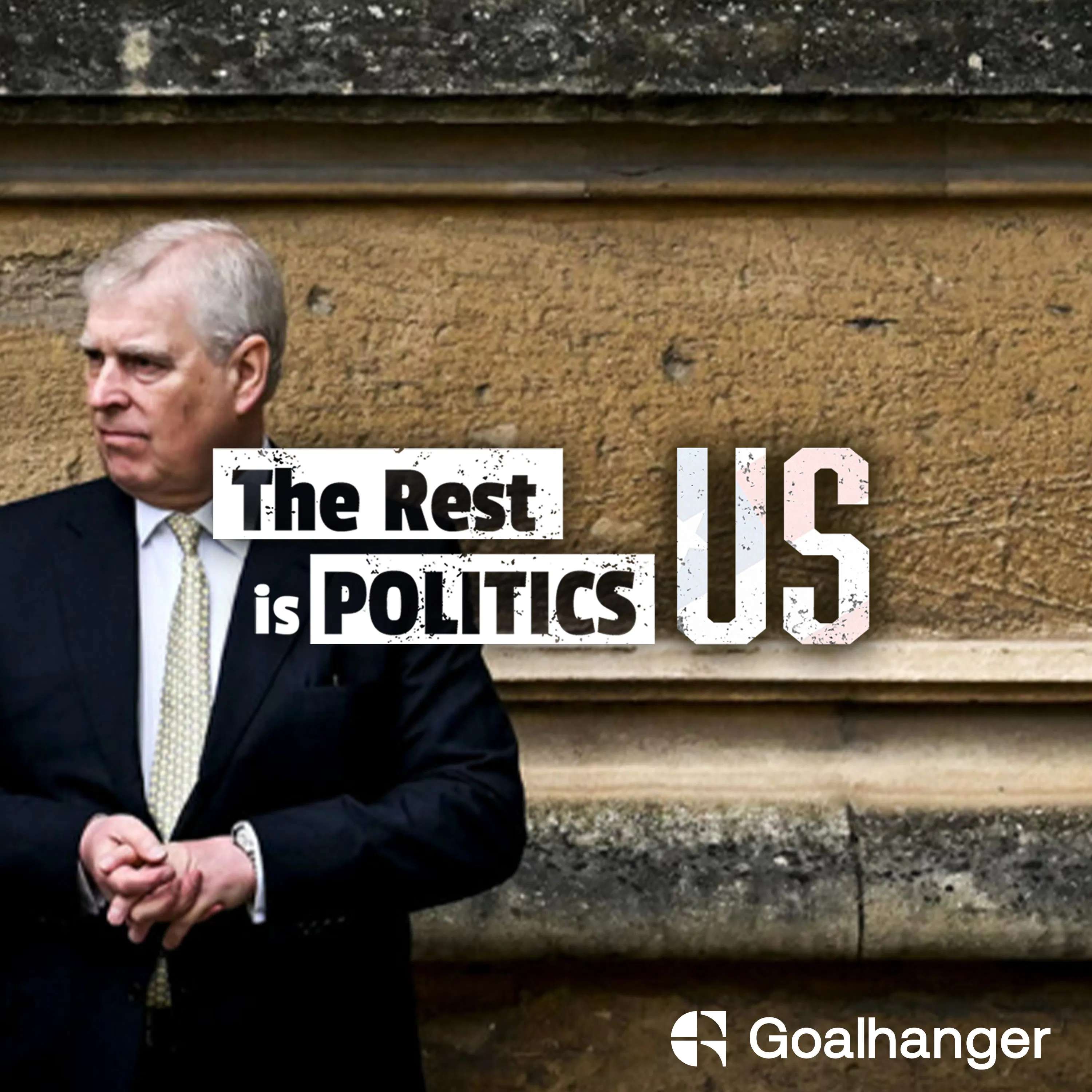
Overview of 159. The Royal Arrest: Why Trump's Epstein Problem Won't Go Away
This episode of The Rest is Politics US (host Cady Kaye, guest Anthony Scaramucci) centers on two linked storylines: (1) the arrest of former Prince Andrew in the U.K. over allegations tied to the Jeffrey Epstein files and what that says about accountability for elites; and (2) how the Epstein revelations and other scandals intersect with U.S. partisan politics and midterm strategy—especially Donald Trump’s influence over the Republican Party. The conversation contrasts U.K. legal/political responses with the U.S. scene, examines who has and hasn’t been held to account, and unpacks Republican worries about Trump as an “ungovernable” campaign asset ahead of the midterms.
Key takeaways
- Prince Andrew’s arrest (first royal arrest since 1647) followed the release of documents tied to Jeffrey Epstein; searches were carried out at his UK homes. The episode uses this to frame contrasting approaches to elite accountability in the UK vs the U.S.
- In the UK, public statements (e.g., from the King) and active investigations signal stronger immediate accountability for implicated elites than has so far been visible in the U.S.
- In the U.S., much of the Epstein fallout has been private-sector accountability (resignations, dropped speaking engagements) rather than criminal prosecutions of senior public figures; several relevant documents remain sealed/redacted.
- The 2008 non-prosecution agreement negotiated by Alex Acosta and subsequent secrecy around co-conspirators continues to complicate American prosecutions and public understanding.
- Republicans in Congress worry Trump is an electoral liability because he is unpredictable; they met with White House political staff and cabinet figures to get assurances the White House will focus on bread-and-butter issues (affordability, economy) for the midterms—though doubts persist about whether Trump will stay on message.
- Trump’s continued fundraising (large war chest) and his ability to influence primaries make GOP lawmakers reluctant to publicly break with him before primaries end; defections are more likely after a catastrophic midterm loss than before.
- Key races (e.g., Texas: John Cornyn vs Ken Paxton) illustrate the tension between incumbent Republicans and MAGA-backed challengers, and the threat of Trump withholding money/endorsing challengers.
Main topics discussed
- The Prince Andrew arrest and searches tied to Epstein files
- Nature of the UK allegations: sharing government/trade information with Epstein during his role as a trade representative
- Legal formality: these are still allegations and Andrew is presumed innocent until proven otherwise
- UK vs U.S. accountability
- UK public officials and royals under scrutiny; contrasts with U.S. reluctance to prosecute or fully investigate senior figures
- Examples of implicated U.S. figures: Les Wexner (deposed before a House committee, with GOP no-shows), Howard Lutnick, Bill Gates (pulled out of a keynote), Larry Summers (stepped down from roles), others resigning from private-sector positions
- The unreleased/unredacted Epstein documents
- Republicans and Democrats have different incentives regarding release; partisan pressures shaped the timing and demands for disclosure
- Claims and denials about whether the files contain evidence implicating Trump in criminal acts; some Democrats who have reviewed unredacted materials say Trump appears in them—but not necessarily criminally implicated
- The 2008 Acosta non-prosecution agreement and its shielding of unnamed co-conspirators
- Ghislaine Maxwell’s situation: her incarceration, possible testimony, and leverage (claims about having "goods" that could implicate others)
- White House/Congressional midterm strategy meeting
- White House political team and Trump allies met with Republican members to reassure them the campaign will focus on affordability/economy
- Frustration among Republicans that Trump is “ungovernable” and likely to derail focused messaging
- Funds, leverage, and primary dynamics
- Trump’s war chest and continued fundraising give him leverage over GOP primaries and incumbents
- Members fear retaliation (endorsements, withholding funds) if they cross Trump; that keeps many aligned until primaries are over
Legal and political analysis (concise)
- Legal caveat: hosts repeatedly emphasize these are allegations; courtroom outcomes and full unredacted documents will be determinative.
- UK institutions appear more willing to visibly apply the rule of law to elites (including royals); in the U.S., structural factors (past NDAs and the Acosta deal, partisan shielding, powerful donors) have limited visible legal fallout so far.
- Political calculus in the U.S. is shaped by:
- Trump’s fundraising and his ability to mobilize primary voters.
- GOP fear of primary challenges late in the nomination calendar, which discourages public breaks with Trump.
- The possibility that some damaging material could surface in foreign courts or proceedings (e.g., U.K.) even if the U.S. system stalls.
Notable quotes and lines
- “Not since 1647 has a member of the British royal family been arrested.” — framing the historical weight of Andrew’s arrest.
- “The rule of the law is the rule of law. It doesn’t matter whether you are a prince or a former prince or an ordinary civilian.” — summary of the UK stance the hosts reference.
- Trump as “an ungovernable campaign asset” — encapsulates Republican anxieties about his electoral usefulness vs. unpredictability.
- “We are in a throw-the-bums-out moment in America” — describes broader voter sentiment and volatility.
What to watch next (actionable items / developments to follow)
- Legal developments in the Prince Andrew case: charges filed, court hearings, any testimony (including if Ghislaine Maxwell participates).
- Release/unredaction of Epstein-related documents and any named individuals cross-referenced with U.S. political figures.
- Congressional actions/oversight related to Epstein files, including any further depositions (e.g., more activity around Les Wexner).
- Midterm primary outcomes (especially in key states like Texas) and whether Trump actively funds or endorses primary challengers against incumbents.
- Any public defections by Republican members after the primary season or after an electoral setback.
- Moves by Ghislaine Maxwell’s legal team or statements from Todd Blanche/DOJ about cooperation, pardon discussions, or testimony arrangements.
Episode extras and format notes
- The episode includes sponsor mentions (Microsoft 365 Copilot, Aura Frames) and a teaser about a “founding members” bonus episode.
- Guest: Anthony Scaramucci; host: Cady Kaye. Conversation mixes legal analysis, political strategy, and punditry/speculation.
Summary verdict: the episode ties a high-profile UK enforcement action to broader questions of elite accountability and partisan politics in the U.S., arguing that while the Epstein files have real potential to expose powerful figures, U.S. political incentives—especially Trump’s influence and past legal settlements—make meaningful prosecutions or political consequences less likely in the near term.