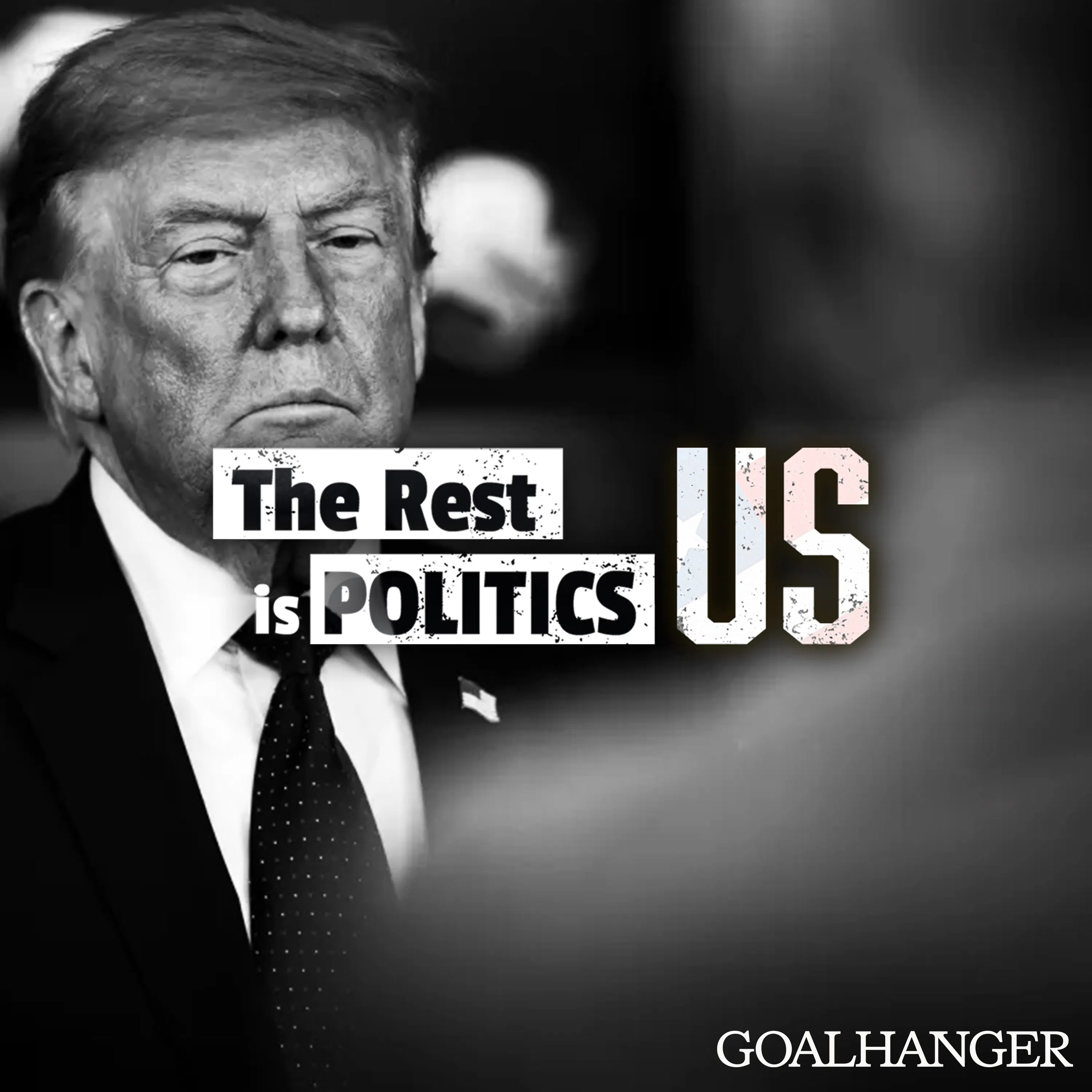
Overview of The Rest Is Politics US — “Did Trump Just Have His Worst Night In Politics?”
Anthony Scaramucci is joined by Ben Meiselas of Midas Touch to argue that Donald Trump may be entering a serious political decline after a string of disappointing election results, weak endorsement performance, and growing voter fatigue. The conversation expands into a broader critique of Trump-era governance: candidates chosen for loyalty over competence, rampant cronyism in the Pentagon, and the damage done to U.S. military and diplomatic credibility.
Trump’s Worst Political Night Yet
Election losses and shrinking influence
- The episode opens with the claim that Trump had a particularly disastrous night politically, with:
- Multiple Trump-backed candidates losing primaries
- Trump-endorsed contenders underperforming in key races
- His endorsement record described as the worst of his political career
- The hosts frame this as a possible turning point for Trump’s grip on the Republican Party.
Why some voters still stick with Trump
Ben Meiselas argues Trump’s remaining support is driven less by policy and more by:
- Economic frustration
- Anti-establishment anger
- The sense among some voters that Trump is an “avatar” for their resentment toward elites
The key point: many supporters know Trump is flawed, but still see him as someone who channels their grievances.
What the Elections Are Really Signaling
It’s not just “anti-Trump”
The discussion stresses that simply being against Trump is no longer enough to win elections.
Candidates need to:
- Speak directly to voters’ economic pain
- Show up in communities
- Listen and respond to real-world problems like health care, taxes, utilities, and affordability
- Offer something tangible beyond opposition to Trump
Special elections suggest a possible Democratic wave
The hosts point to recent special-election results as evidence of broader momentum:
- Democrats overperformed in several districts
- In one Pennsylvania special election, a Democrat did much better than expected in a strongly Trump district
- Florida primary results suggested Trump’s base may not be as energized as before
Their conclusion: if these trends hold, the 2026 midterms could be rough for Republicans.
The “lie vs. truth” political dynamic
A major theme is that voters often prefer comforting lies to painful truths.
Anthony Scaramucci contrasts:
- Jeb Bush telling voters the hard truth about taxes and fiscal reality
- Trump promising unrealistic fixes and drawing huge crowds
The point is that Trump’s politics have historically been powered by promise and performance, not honesty.
Pentagon Cronyism and the Hegseth Controversy
Jennifer Hegseth’s role
The episode shifts to reporting on Pete Hegseth’s wife, Jennifer Hegseth, and her unusually influential presence around the Pentagon:
- Former Fox News producer
- Now tied to military spouse initiatives
- Allegedly involved in staffing and internal Pentagon activity
- Reportedly present in meetings and part of efforts to limit press access
Why the hosts see this as dangerous
Scaramucci and Meiselas argue this reflects a broader culture of:
- Cronyism
- Loyalty over competence
- Disregard for institutional norms
Their concern is not just optics, but the erosion of military professionalism and trust.
Damage to the military’s culture
The hosts say Trump and Hegseth have:
- Fired or pushed out respected senior officers
- Undermined morale
- Damaged the “ethos” of the Department of Defense
- Sent a message that expertise matters less than personal loyalty
They warn that rebuilding that level of trust and institutional knowledge could take decades.
Foreign Policy, Alliances, and Strategic Decline
Trump’s shallow understanding of defense
The conversation repeatedly mocks Trump’s instinctive, superficial approach to military strategy:
- Preference for outdated imagery and ideas
- Disdain for modern defense systems
- Confusion about alliances and regional security structures
U.S. alliances are fraying
The hosts argue that Trump’s behavior is pushing allies to reconsider dependence on the United States, especially in:
- Europe
- South Korea and Japan
- The broader Indo-Pacific
- Canada
They frame this as part of a larger breakdown in the post–World War II order.
Global consequences
The episode warns that:
- U.S. military readiness is being weakened
- Allies are hedging away from Washington
- Authoritarian powers are taking advantage of American chaos
- Trump’s approach could leave the U.S. less secure in future conflicts
Main Takeaways
- Trump’s recent political losses may reflect real erosion in his power, not just a temporary blip.
- His remaining support is driven by anger and identity more than confidence in his governing.
- Voters are increasingly focused on affordability, health care, and basic competence.
- Anti-Trump politics alone is not enough; candidates must offer concrete solutions.
- The Hegseth/Pentagon story is presented as a symbol of broader cronyism and institutional decay.
- The hosts see Trump’s foreign-policy and defense approach as weakening America’s standing at home and abroad.
Notable Insight
“Being anti-Trump is not enough. You have to be for the people.”
That line captures the episode’s core political argument: in a moment of economic anxiety and institutional distrust, voters want authenticity, competence, and delivery—not just resistance.