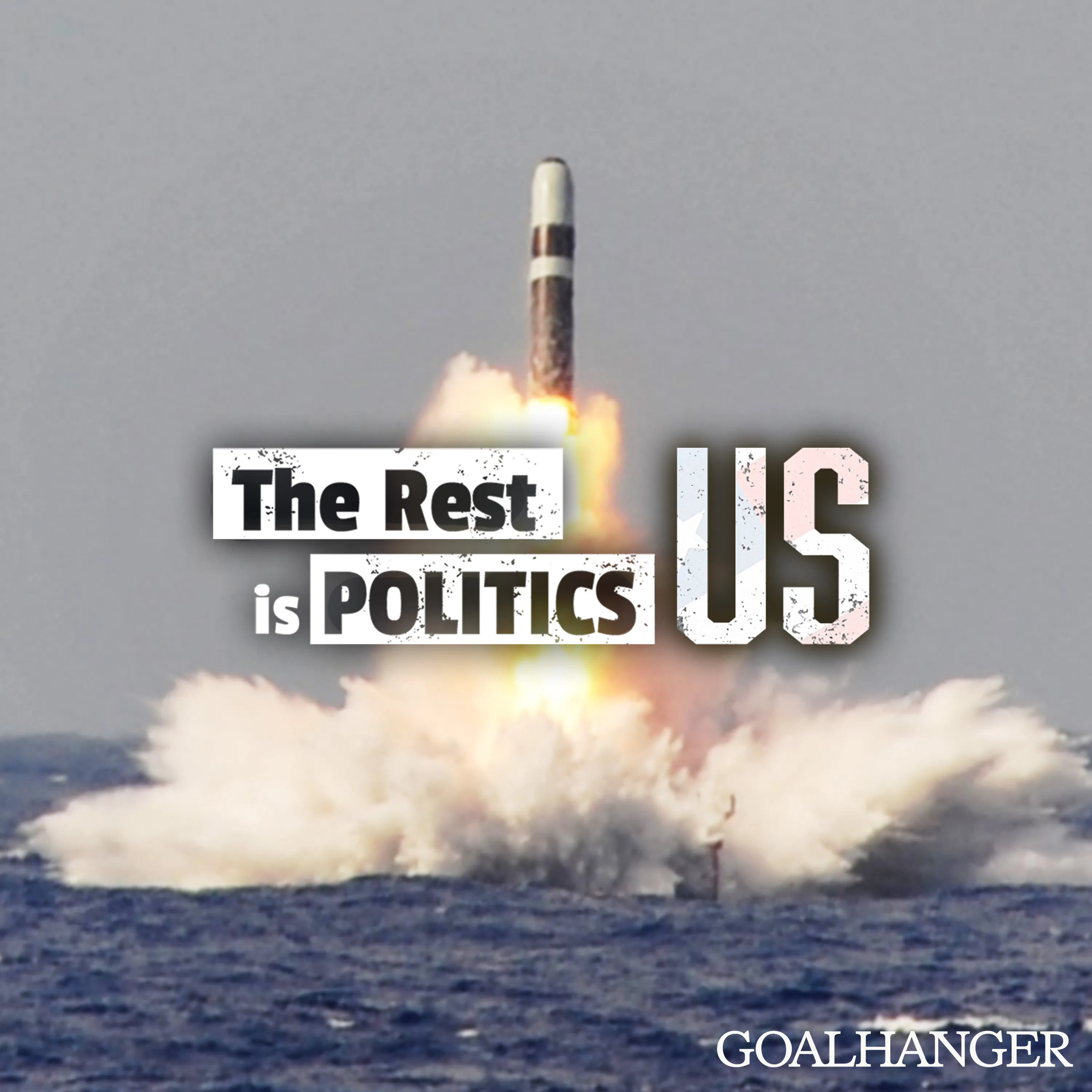
Overview of 213. Is Trump Planning A Nuclear Attack on Iran?
In this episode of The Rest Is Politics US, Anthony Scaramucci and Nicole Wallace examine escalating Trump rhetoric around Iran, the Strait of Hormuz, and South Korea, asking whether Trump’s threats signal real military planning or just chaotic, self-defeating bluster. Their core view: a nuclear strike is highly unlikely, but Trump’s erratic behavior, alliance-damaging decisions, and admiration for authoritarian leaders are creating serious long-term geopolitical damage.
Main Topics Covered
Trump, Iran, and the Strait of Hormuz
- Trump reportedly threatened to treat the Strait of Hormuz as U.S. territory after the conflict with Iran.
- The hosts argue this is not serious policy language but another example of Trump making claims that are detached from reality and unenforceable.
- They discuss the possibility that talk of a nuclear strike on Iran may be:
- a genuine leak from inside Trump’s orbit,
- a deliberate attempt to float extreme options,
- or a way for internal actors to kill the idea by leaking it publicly.
Could Trump Actually Use a Nuke?
- Scaramucci and Wallace agree that a nuclear strike on Iran is extremely unlikely.
- Wallace argues Trump is driven more by image, domination, and “winning” than by any coherent war plan.
- Scaramucci emphasizes that the real constraint on Trump is not morality or global consequences, but someone around him saying no.
- They note that if Trump were ever to use nuclear weapons in this context, it would have enormous legal and political consequences, including making him a war criminal in the eyes of much of the world.
Marjorie Taylor Greene’s Warning
- The hosts discuss Marjorie Taylor Greene’s claim that she heard talk of a Hiroshima- or Nagasaki-like event in Iran.
- They treat her statement as unverified, but possibly reflective of something being discussed inside Trump’s circle.
- Wallace suggests figures like Greene can serve as public cutouts to test reactions and force Trump to retreat if needed.
Trump’s Foreign Policy Style: Chaos, Leaks, and Loyalty Tests
- The conversation repeatedly returns to Trump’s tendency to:
- make extreme statements publicly,
- change positions unpredictably,
- reward loyalty over competence,
- and keep allies and subordinates off balance.
- Wallace says Trump behaves less like a strategic chess player and more like someone smashing the chessboard.
- Scaramucci says many of Trump’s foreign policy moves are less about strategy and more about ego, leverage, and transactional signaling.
South Korea and the Degradation of U.S. Alliances
- The second half focuses on Trump’s relationship with South Korea and his desire to reduce or rethink joint military exercises.
- The hosts see this as a major break from decades of U.S. deterrence strategy in Asia.
- They connect Trump’s friendliness toward Kim Jong-un with his broader pattern of favoring authoritarian leaders while undermining democratic allies.
- Wallace calls Trump’s approach to South Korea an abomination, and says it would be impeachable in normal political times.
The Wider Geopolitical Consequences
- Both hosts argue Trump is helping create a world in which:
- Russia, North Korea, and Iran coordinate more effectively,
- the U.S. becomes less trusted by allies,
- and future presidents inherit a far weaker international order.
- They predict the next non-MAGA president will need to spend years rebuilding:
- NATO,
- Middle East partnerships,
- and broader trust in American commitments.
- Wallace says the U.S. may be facing a “100-year hole” in global credibility.
Key Takeaways
- Trump’s rhetoric is dangerous even if it’s not literal. The hosts do not think a nuclear strike is likely, but they believe his unpredictability is destabilizing.
- Alliances are being damaged in real time. South Korea, NATO, and Middle East partners may all view the U.S. as less reliable.
- The next administration will inherit the fallout. Rebuilding trust, deterrence, and institutional stability could take decades.
- Internal pushback matters. Both hosts think Trump is most likely to stop when someone in power firmly says no.
- Trump’s worldview is transactional, not strategic. He appears focused on personal loyalty, image, and domination rather than coherent national security doctrine.
Notable Insights
- Wallace: Trump is “more like having a grizzly bear for president than a person.”
- Scaramucci: Trump’s orbit is built on bait-and-switch politics, where allies and supporters are eventually abandoned.
- Wallace: the U.S. may be like a “bad boyfriend” that keeps getting forgiveness from allies despite repeated betrayals.
- Scaramucci: if there is any real safeguard, it is not Trump’s judgment—it is institutional resistance and people around him refusing to comply.
Bottom Line
This episode argues that Trump is not necessarily preparing a nuclear war, but his reckless language, affinity for authoritarian leaders, and willingness to weaken alliances are creating genuine national security risk. The biggest theme is not imminent apocalypse, but durable global damage that future leaders will have to repair.