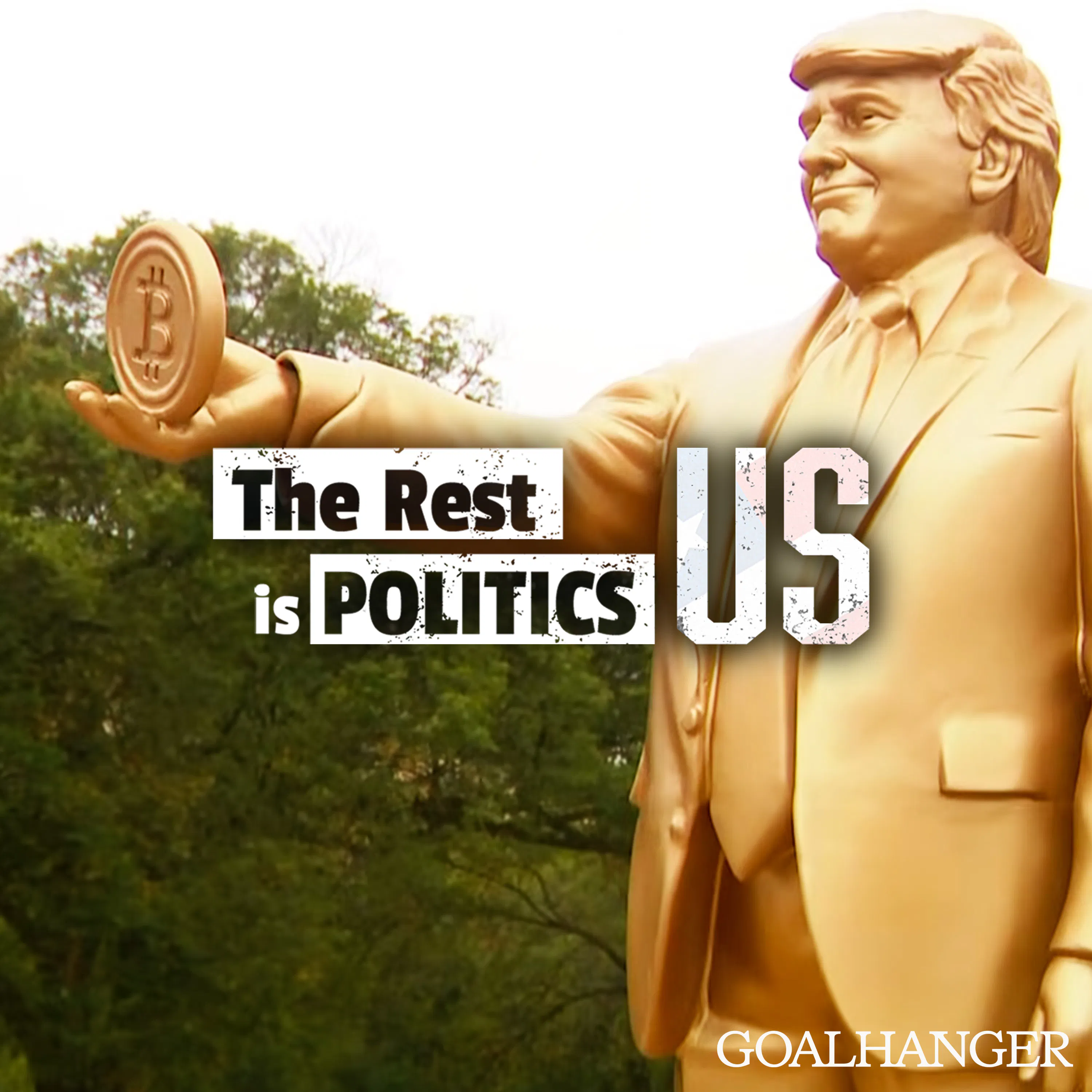
Overview of 201. Trump’s A Crypto Billionaire While Americans Are Getting Poorer
This episode of The Rest Is Politics US features Anthony Scaramucci and Kara Swisher discussing Donald Trump’s growing personal wealth, especially through crypto and influence-peddling, alongside broader concerns about inequality, two-tier justice, and the erosion of democratic norms. The conversation also covers the Supreme Court’s handling of birthright citizenship, the politics of immigration, and how Americans may react to perceived unfairness and elite corruption.
Trump, Crypto Wealth, and “Institutionalized Grift”
The core argument
- The hosts frame Trump’s recent financial gains as evidence of massive, openly visible corruption rather than ordinary political enrichment.
- Scaramucci points to the scale of Trump’s disclosure filings and suggests they reveal only part of the picture, with more likely hidden through offshore accounts and side deals.
- Swisher argues the Trump family operates like an institutionalized grift machine, with children, allies, and hangers-on all benefiting.
Key points raised
- Trump’s wealth appears tied to:
- crypto-related gains
- donations and settlements
- political influence
- legal intimidation and leverage
- They compare Trump’s model to a “mobster” or “con man” operation, where money and power are extracted in plain sight.
- The conversation suggests that Trump’s behavior is not new or shocking to most Americans, but still deeply corrosive.
Unequal Rules for the Powerful vs. Everyone Else
Two systems of justice
- A major theme is that ordinary Americans are punished far more harshly than elites:
- small banking fees hit working people
- teachers and employees get audited or penalized
- Trump allegedly faces only minor fines despite huge financial activity
- The hosts argue this creates a visible double standard that undermines trust in government and institutions.
Cultural consequences
- Swisher says this fuels cynicism, anger, and the belief that “everyone is on the take.”
- Scaramucci warns that income inequality and perceived unfairness can eventually produce:
- apathy
- resentment
- political instability
- even violence
Birthright Citizenship and Immigration
The Supreme Court case
- The hosts discuss the Court’s handling of birthright citizenship, treating it as a win for the Constitution and the 14th Amendment, but noting the decision was more concerningly close than expected.
- Scaramucci explains the historical context:
- Dred Scott excluded Black Americans from citizenship
- the 14th Amendment was designed to correct that injustice
- They argue birthright citizenship is a foundational American principle.
Immigration hypocrisy
- They emphasize the contradiction in anti-immigrant rhetoric:
- Trump’s family members and allies would likely be affected if the rules were applied consistently
- many anti-immigrant politicians are themselves descendants of immigrants
- They criticize Stephen Miller as the driving force behind much of the anti-immigrant hostility and paranoia.
Broader point
- The discussion frames anti-immigration politics as less about policy and more about political power, especially suppressing future voters who may lean Democratic.
Media Settlements, Extortion, and Fear of Trump
Settlements as “vig”
- The hosts discuss large payments from companies like Meta, Alphabet, CBS, and ABC into Trump-related settlements or funds.
- They describe these as effectively extortion payments:
- pay to avoid legal trouble
- pay to avoid discovery
- pay because fighting is expensive and risky
Corporate calculation
- Swisher suggests companies often pay because it’s cheaper than fighting Trump’s legal warfare.
- She argues this sets a dangerous precedent: once you pay once, he keeps coming back.
- They contrast stronger resistance by figures like the BBC and E. Jean Carroll with the more compliant behavior of corporations and media outlets.
Trump’s Allies, Sycophants, and the Politics of Fear
The “sucking up” problem
- The hosts say many Republicans and public figures keep flattering Trump because:
- they fear him
- they think it helps their political future
- they want to remain in his orbit
- Swisher criticizes this as weak and self-defeating, arguing that Trump’s base sees obvious flattery for what it is.
Examples discussed
- Nikki Haley is singled out as someone who repeatedly bends toward Trump.
- JD Vance is mocked as a Trump apologist who fails to see the damage Trump causes.
- Jamie Dimon and Rupert Murdoch are presented as examples of powerful figures who maintain a tactical relationship with Trump while quietly resisting him when needed.
Optimism, Reform, and What Comes Next
A call not to stay angry forever
- The conversation ends on a more hopeful note:
- Trump exposes what is broken
- the country now has a clearer template for what needs fixing
- Scaramucci argues that America should use this moment to:
- strengthen constitutional protections
- rebuild institutions
- modernize policy
- stop tolerating unfairness
A constructive takeaway
- Rather than only reacting to Trump emotionally, they suggest using his presidency as a wake-up call to:
- reform systems that enable corruption
- restore fairness in enforcement
- make government more functional and accountable
- Swisher’s final view is that Trump may ultimately exhaust himself and those around him, and that the people tied to him may eventually regret their loyalty.
Bottom Line
This episode is a sharp critique of Trump-era corruption, inequality, and political cowardice. The hosts argue that Trump’s wealth and influence are symptoms of a broader breakdown in fairness and accountability, and that America’s best response is not resignation but reform, constitutional strengthening, and renewed civic engagement.