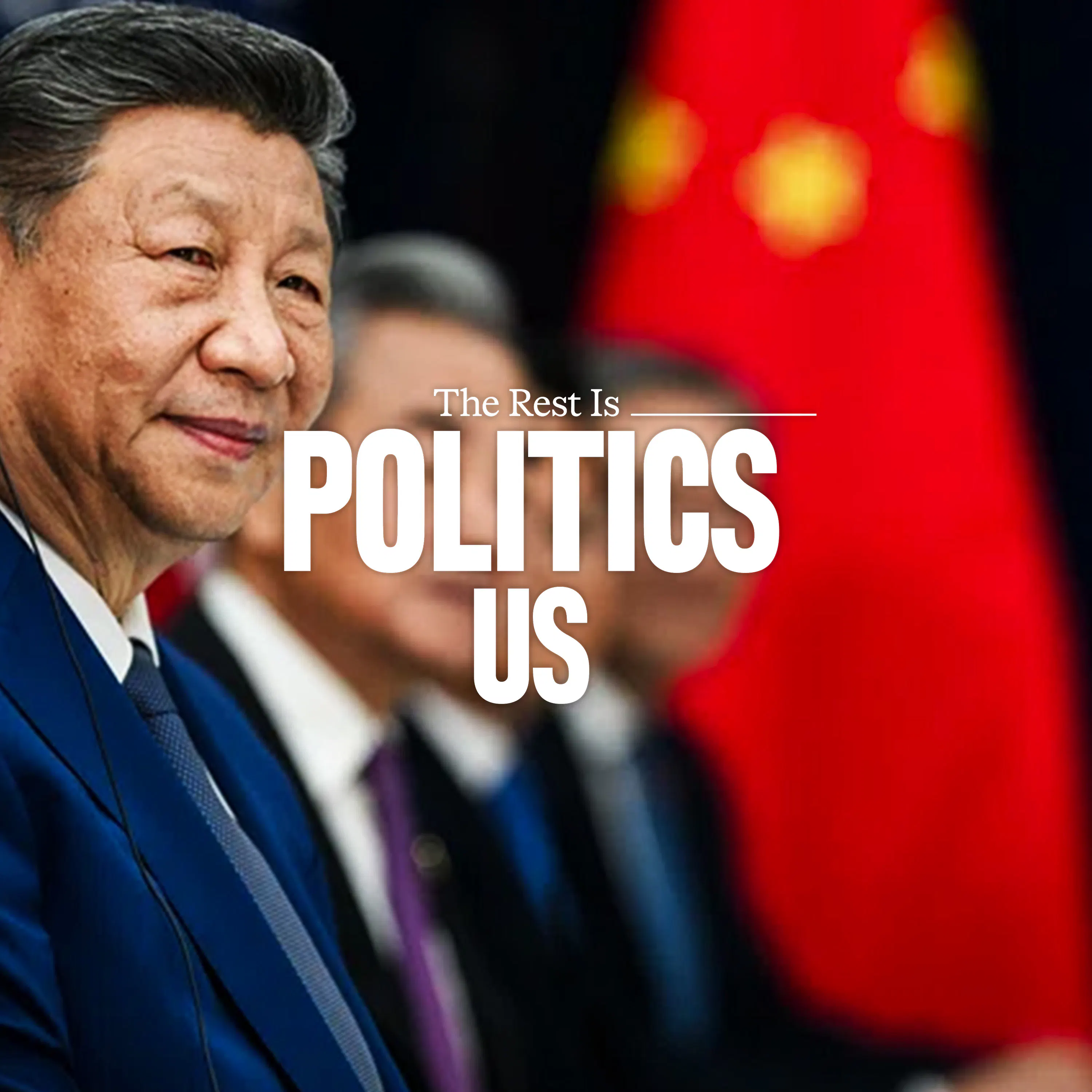
Overview of 187. Trump and Xi Face Off: Who Won and Who Lost?
Katty Kay and Anthony Scaramucci break down the recent Trump–Xi summit, arguing that while the meeting was important diplomatically, it produced few concrete breakthroughs. Their overall read is that the encounter was mostly neutral: no major escalation, no dramatic deal, and no clear winner. The episode focuses on the strategic implications for Taiwan, China, Iran, trade, and America’s global standing, while also questioning the credibility of some of Trump’s post-summit claims.
Main Takeaways
-
The summit mattered, even if the results were limited
- It was the first meeting between the two leaders in about a decade.
- Both hosts agree that direct dialogue between the U.S. and China is valuable given rising global tensions.
-
The outcome was underwhelming
- A Boeing aircraft deal appears to be one of the few tangible outcomes.
- There were also reports of talks on AI and AI security.
- But there was no sweeping trade breakthrough and no major geopolitical concession.
-
Taiwan was the key strategic issue
- Xi signaled strongly that Taiwan is a red line and warned against miscalculation.
- The hosts stress that Trump’s position on Taiwan appears more ambiguous than that of previous presidents.
- They suggest the most important post-trip indicator will be whether the U.S. resumes delayed arms sales to Taiwan.
-
The hosts are skeptical of Trump’s account
- They argue Trump’s claim that Xi asked whether the U.S. would intervene in a Taiwan conflict sounds implausible and “scripted.”
- They also doubt Trump’s assertion that Xi agreed Iran cannot have a nuclear weapon.
- More broadly, they say Trump’s on-the-plane remarks and Truth Social posts make it hard to trust the readout.
-
China is not likely to “save” the U.S. on Iran anytime soon
- Katty and Anthony think China may apply some behind-the-scenes pressure, but not quickly or decisively.
- China can keep importing oil through alternative routes, reducing its incentive to help immediately.
Topics Discussed
Trump’s global positioning
The hosts argue that Trump entered the summit weakened by earlier decisions:
- escalating tariff conflict with China,
- threats over Greenland,
- and the Iran strike/war, which they say damaged U.S. credibility.
The “Thucydides Trap”
Scaramucci revisits the idea that rising powers and established powers often clash, citing:
- Graham Allison’s Destined for War,
- and historical examples of superpower rivalry, especially Athens vs. Sparta.
The point: U.S.-China tensions may be structural, not just personal.
U.S.-China trade and economic relations
- Boeing aircraft sales appear to have advanced.
- China may increase purchases of U.S. agricultural goods, including soybeans.
- But the hosts caution that Chinese promises do not always translate into implementation.
America’s alliance problem
Scaramucci argues the U.S. is increasingly acting like a “hermit kingdom” by alienating allies. Katty adds that Trump has damaged relationships with:
- Europe,
- the Philippines,
- Australia,
- South Korea,
- and Japan.
At the same time, she notes a split in America’s identity:
- one side is still the world’s tech and innovation powerhouse,
- the other is an unreliable diplomatic partner.
Notable Insights
- “Medium” / “neutral” was their verdict on the summit.
- Xi’s warnings on Taiwan were seen as unusually direct and serious.
- Trump’s response was interpreted as effectively conceding China’s rise by not challenging Xi’s framing of U.S. decline.
- The episode emphasizes that strategic ambiguity around Taiwan remains central, but Trump may be less committed to it than prior presidents.
Bottom Line
The hosts conclude that the Trump–Xi meeting was important for communication but limited in substance. There were no dramatic breakthroughs, and the biggest unresolved issues remain:
- Taiwan,
- China’s role in Iran,
- the durability of trade agreements,
- and whether the U.S. can reassure allies while dealing with China.
Their final sense is that Xi looked disciplined and strategic, while Trump looked theatrical and somewhat unreliable—and that the real consequences of the summit will depend on what happens next, especially on Taiwan policy and U.S.-China follow-through.