Overview of The weaponisation of trade
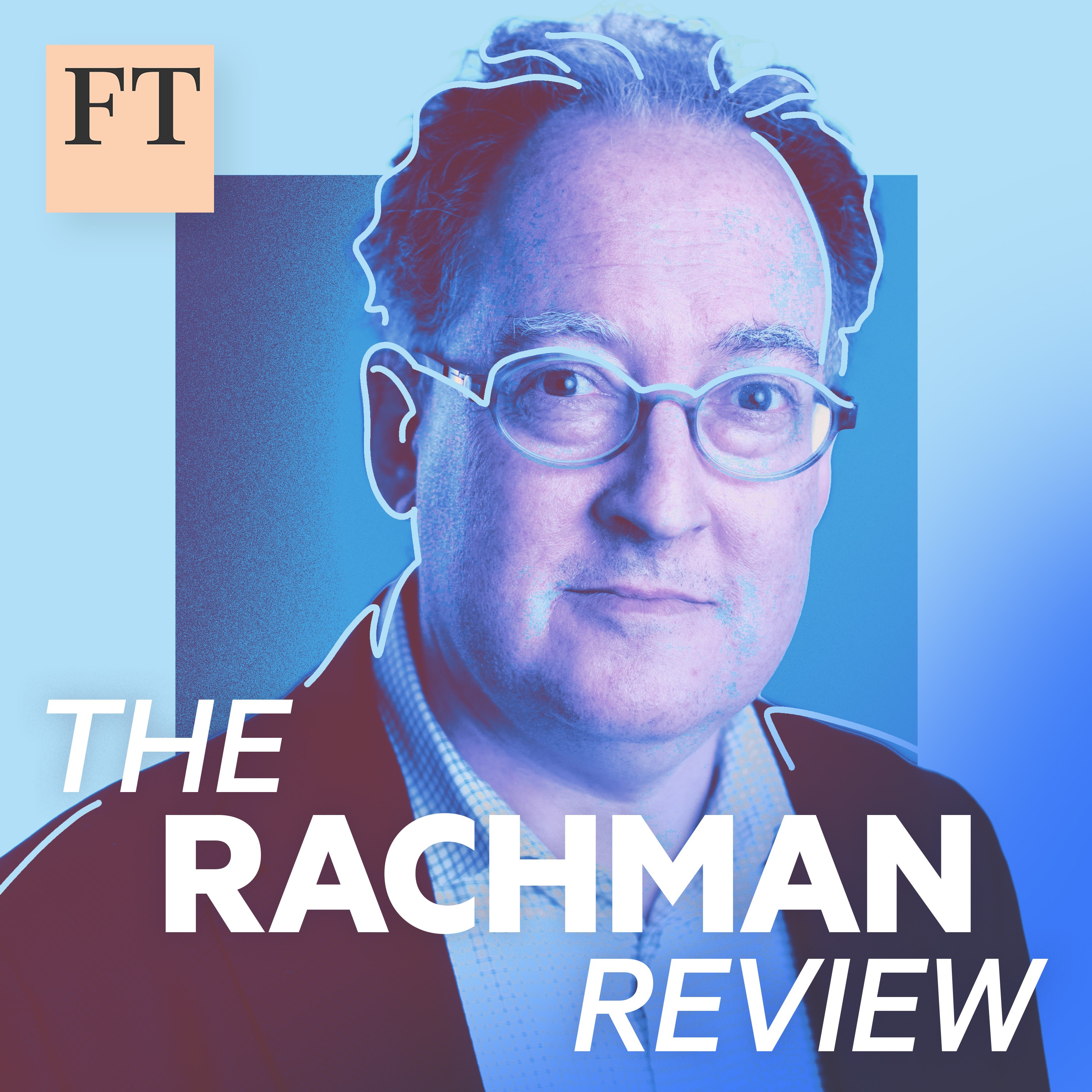
This episode of the Rackman Review features Gideon Rachman speaking with Edward Fishman, author of Choke Points and director of the Center for Geoeconomics at the Council on Foreign Relations. The conversation explores how critical bottlenecks in trade, finance, and technology have become tools of geopolitical power — from the Strait of Hormuz to the U.S. dollar, rare earths, and AI. The central argument is that modern globalization has created new forms of leverage that states can weaponize, but that doing so also pushes other countries to diversify, retaliate, and fragment the global order.
Main arguments
Choke points are now a core instrument of state power
- Fishman argues that choke points are more important than ever because they allow countries to coerce rivals without direct military conquest.
- Traditional geographic chokepoints, like narrow shipping lanes, remain powerful.
- But modern economic chokepoints — the dollar, export controls, chips, minerals, cloud systems — are often even more potent because they can be used through policy decisions alone.
The Strait of Hormuz shows how fragile global trade can be
- The Strait of Hormuz is described as the world’s most important geographic chokepoint, carrying roughly:
- 20% of global oil
- 20% of global LNG
- Iran’s ability to disrupt the strait demonstrates how a relatively small actor can affect global energy prices and shipping behavior.
- Gulf states are likely to build bypass pipelines, but Fishman says that helps oil flows more than LNG, which is harder and more expensive to reroute.
Economic coercion can slide into military escalation
- Fishman contrasts sanctions with kinetic warfare:
- Sanctions are “a stroke of a pen.”
- Closing the Strait of Hormuz with drones and missiles is a military act.
- He argues that when economic pressure fails, leaders may escalate to force rather than moderate their goals.
- He points to Iran and Venezuela as examples where maximal economic pressure can create a slippery slope toward military conflict.
Choke points discussed
1. The U.S. dollar
- The dollar remains the most powerful global choke point.
- Even with years of de-dollarization efforts, China still settles only about 30% of its trade in RMB.
- Fishman says the dollar’s dominance is difficult to dislodge because of network effects and deep financial infrastructure.
2. China’s rare earths and critical minerals
- China’s control over rare earths is one of the clearest examples of asymmetric leverage:
- China’s export revenue from rare earths is relatively small.
- But disruption to U.S. supply could inflict huge economic damage.
- Fishman argues that this kind of leverage is potent because the cost to the weaponizer is low compared with the damage imposed on the target.
3. AI and cloud infrastructure
- Fishman warns that AI could become a future U.S. choke point if businesses become dependent on American models and cloud systems.
- He notes growing European concern about relying on U.S. AI infrastructure and a possible “kill switch” risk.
- He recommends that Europe think in terms of deterrence, not just duplication.
4. Pharmaceuticals
- Another vulnerable area is medicine supply chains:
- China supplies many key starting materials and active ingredients.
- India manufactures many generic drugs, but often relies on Chinese inputs.
- Fishman says this is a real strategic vulnerability, though one that is politically and ethically difficult to weaponize in peacetime.
5. Clean energy supply chains
- A major future concern is the green transition:
- batteries
- electric vehicles
- solar panels
- China dominates much of this sector, meaning efforts to reduce dependence on fossil-fuel chokepoints could simply create new ones.
Broader takeaways
Hyperglobalization has given way to geoeconomic competition
- In the 1990s, global trade was built on assumptions of cooperation and low geopolitical risk.
- Today, major powers are retrofitting the global economy to a more hostile world.
- Fishman says sanctions, export controls, and tariffs are increasing across the U.S., EU, and China.
Autarky is costly and dangerous
- Complete self-sufficiency is economically inefficient and probably unrealistic.
- But if states cannot trust global supply chains, territorial conquest can become more attractive.
- The episode draws a historical parallel to Japan before World War II, when embargoes pushed it toward expansion.
Europe’s dilemma
- Europe is increasingly worried not only about dependence on China and Russia, but also on the United States.
- Fishman warns that U.S. weaponization of economic tools against allies could push Europe toward its own form of economic self-sufficiency.
- He suggests Europe would be better served by developing credible retaliatory leverage rather than trying to duplicate everything it imports.
Final conclusion
The episode’s core message is that trade, finance, and technology are no longer neutral systems — they are strategic battlegrounds. Fishman argues that the world is moving toward a more fragmented order in which countries increasingly use choke points to gain leverage, but that this also encourages rivals to build alternatives. The danger is a cycle of escalation: more weaponization leads to more fragmentation, which in turn makes conflict more likely.