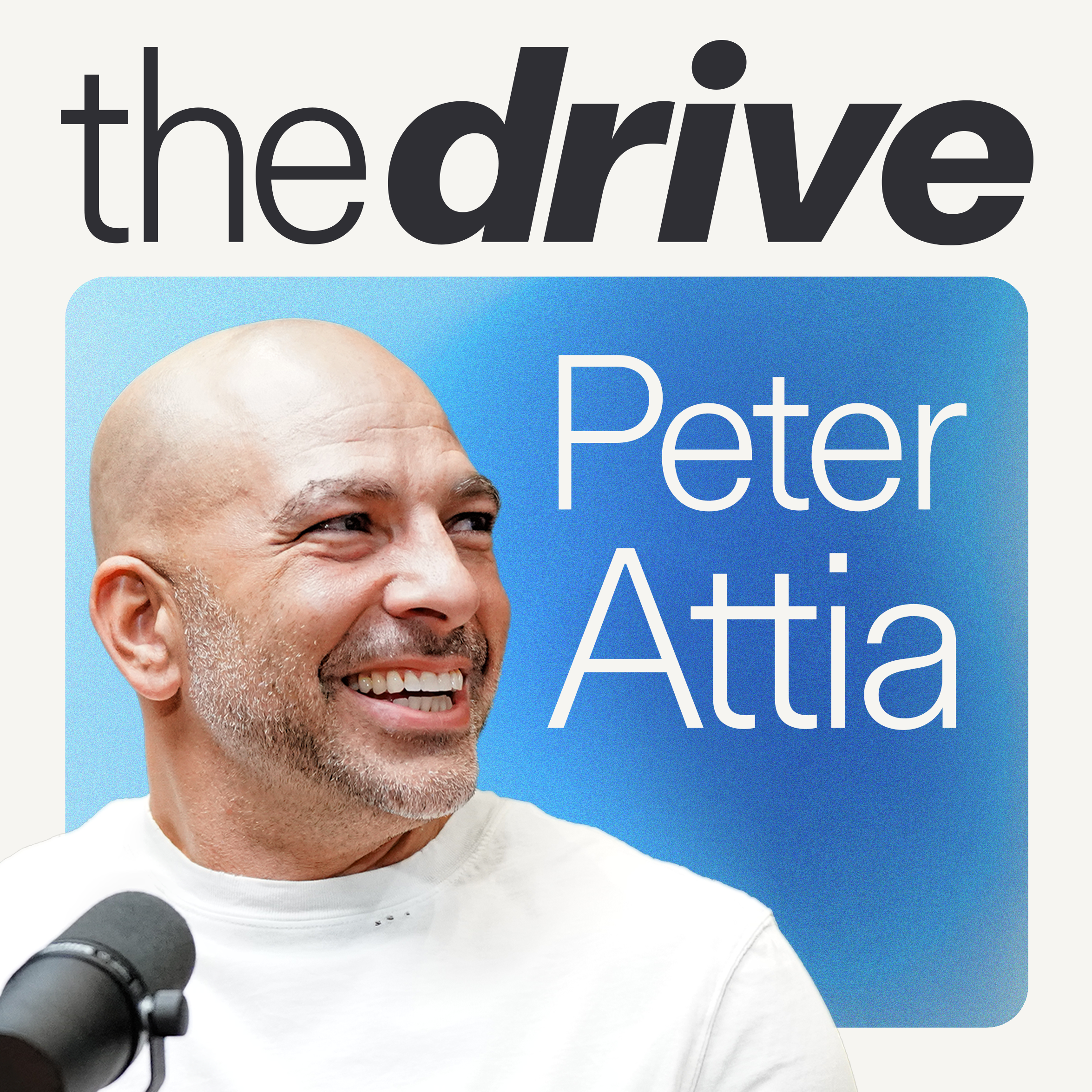
Overview of AMA #90: Strong convictions, loosely held on The Drive
This episode is a reflective “strong convictions, loosely held” AMA in which Peter Attia revisits some of his most important prior positions and explains how his thinking has evolved as new data, guest conversations, and clinical experience have accumulated. In this sneak peek, the discussion focuses mainly on nutrition and fasting: why he still sees ketogenic diets as effective but for different reasons than he once believed, and why he stepped back from prolonged fasting as a longevity strategy.
Main Themes and Takeaways
- Peter’s core philosophy: hold strong beliefs, but be willing to revise them quickly when better evidence appears.
- How his views change: through a mix of:
- new scientific literature,
- expert guest interviews on the podcast,
- and real-world patient outcomes.
- Nutrition is less about ideology now: he is much less dogmatic about which diet model someone uses, so long as key fundamentals are met.
- Protein remains non-negotiable: he emphasizes getting enough protein, with a minimum target of 1.4 g/kg of body weight.
- Energy balance matters most: he now believes many metabolic benefits are driven more by reduced energy intake than by insulin suppression alone.
Keto: What He Used to Believe vs. What He Thinks Now
Why he embraced keto
Peter originally favored ketogenic diets because they seemed to fit the insulin model of obesity:
- lower carbs → lower insulin,
- less lipogenesis,
- improved glycemic control,
- and better metabolic markers.
He also says his own experience was strongly positive: he was on a ketogenic diet for about three years, felt very good, and logged extensive data during that period.
What changed
He still thinks keto can be effective, but he no longer believes its main benefit is simply insulin suppression.
Instead, he now thinks keto often works because it:
- makes energy intake easier to control,
- improves satiety,
- and may support metabolism through the body’s use of fat as fuel.
Key point
A person can still gain weight on keto if they remain in a caloric/energy surplus. So, in his current view:
- hyperinsulinemia is often part of the picture,
- but energy imbalance is the driver of the underlying metabolic problem.
Fasting: Why He No Longer Sees It as a Primary Longevity Tool
His earlier approach
Peter describes doing:
- 7–10 day fasts once per quarter
- plus 3-day fasts in the other two months of each quarter
His goal was not weight loss, but to promote autophagy—the cellular cleanup/recycling process.
His reasoning at the time
He viewed extended fasting as a way to:
- clear out damaged cellular components,
- potentially remove senescent or dysfunctional cells,
- and theoretically support longevity.
He notes that fasting clearly promotes autophagy in preclinical models, and that autophagy appears to rise gradually rather than switch on at a single threshold.
Why he stepped away
The transcript cuts off before he fully explains the reversal, but he says the change was driven by:
- the evidence, and
- the cost of doing it regularly.
Important Concepts He Reiterates
- Strong convictions, loosely held means:
- be confident enough to act,
- but humble enough to revise your view when data change.
- Good scientific thinking is not about defending a thesis at all costs.
- He values revisiting old assumptions because stagnation would suggest either:
- overly rigid thinking, or
- no scientific progress.
Topics Teased for the Full AMA
In the full episode, Peter says he also revisits his views on:
- metformin
- rapamycin
- whole-body MRI and liquid biopsies for cancer screening
- cardiorespiratory training and the 80/20 zone 2 framework
- heavy barbell squats and deadlifts
- and risk management in strength training
Bottom Line
This preview shows Peter moving from a more mechanistic, dogmatic view of nutrition and fasting toward a more pragmatic one:
- Keto still works for some people, but probably mostly because it helps control intake and improve satiety.
- Extended fasting may increase autophagy, but he no longer treats it as a go-to longevity intervention.
- Across the board, his message is that scientific views should evolve with evidence, not stay frozen in place.