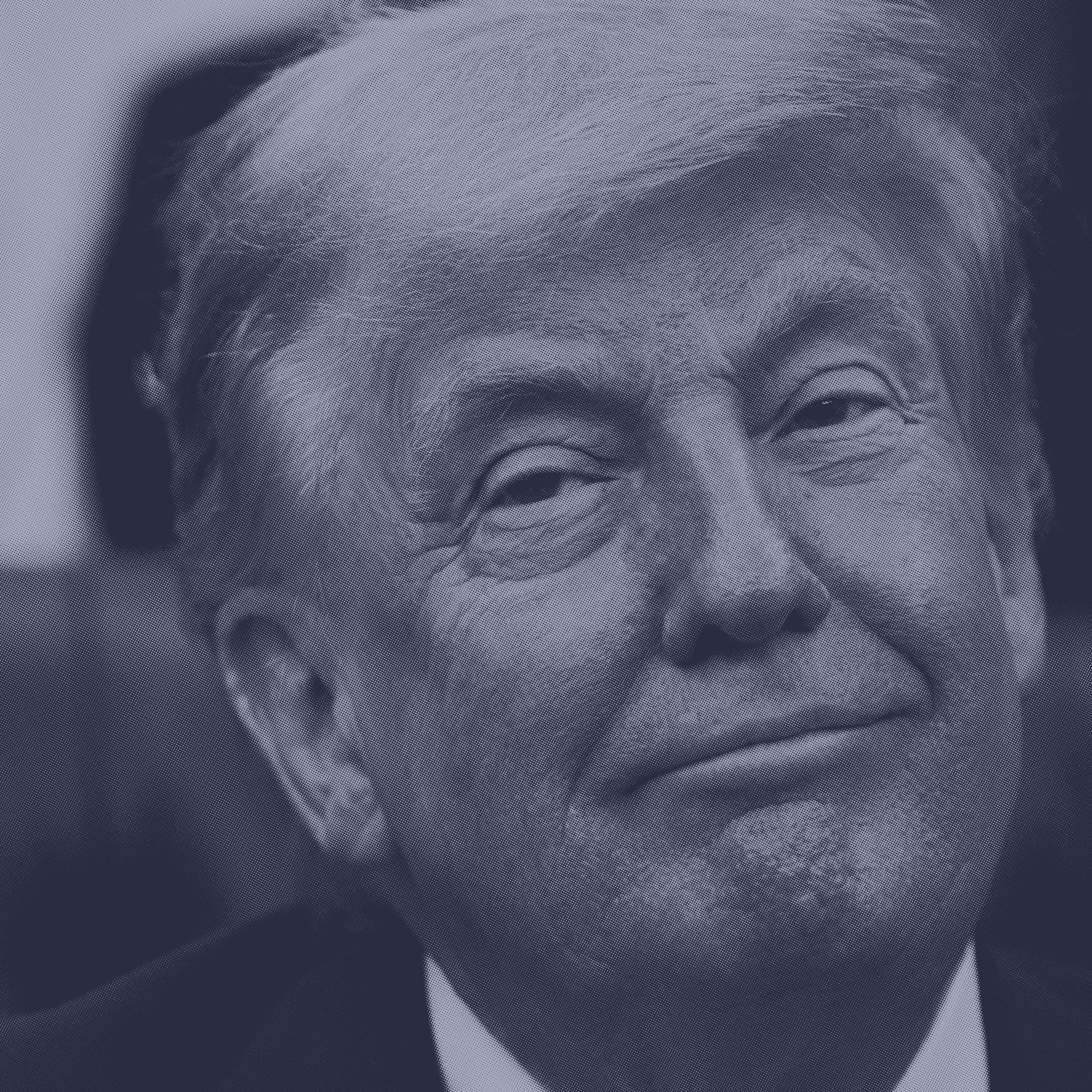
Overview of Why these swing voters give Trump a pass on the economy
This NPR Politics Podcast episode examines a small North Carolina focus group of voters who supported Joe Biden in 2020 and Donald Trump in 2024. Even though many of them are frustrated with Trump’s handling of the economy, the Iran conflict, and his seeming distraction with high-profile issues, their overall support for him remains surprisingly durable. The conversation also explores why Democrats are struggling to win these voters back, and why AI is emerging as a new bipartisan economic worry.
Key Takeaways
Trump’s support is “sticky” even among dissatisfied voters
- Many participants said Trump is out of touch with their day-to-day economic struggles.
- Still, they view him as a strong leader who follows through on what he says.
- Several voters appear to apply a “take him seriously, but not literally” mindset:
- They may dislike specific comments or actions.
- But they often interpret his harsher rhetoric as strategic, not literal.
The economy is a real pain point, but not enough to break with Trump
- Voters complained about:
- Rising grocery prices
- Multiple jobs just to make ends meet
- General financial strain
- Some believed the economic pain tied to the Iran conflict might be temporary and that Trump’s strategy would eventually pay off.
Democrats face a trust and unity problem
- The group held negative, durable views of the Democratic Party.
- A major complaint was that Democrats are:
- Too fractured
- Too focused on internal fighting
- Not presenting a united front
- Even when voters disliked Trump’s economic choices, many still said they would not automatically back Democrats in response.
Roy Cooper is a notable exception
- North Carolina Democratic Senate candidate and former governor Roy Cooper came up as a relatively favorable figure.
- Voters treated him differently from national Democrats:
- Governors are seen as more local and less partisan.
- Cooper’s record made him more recognizable and acceptable to some independents and Republicans in the group.
AI is emerging as a serious economic concern
- Many participants were deeply worried that AI could eliminate jobs, especially entry-level white-collar work.
- They wanted the government to intervene.
- The discussion suggested AI could become a major campaign issue because:
- It crosses party lines
- It taps into economic anxiety
- It creates an opening for Democrats to argue for worker protections
Notable Quotes and Reactions
On Trump’s economic disconnect
- One voter said Trump is focused on war and not on how far grocery money goes.
- Another said he has no idea what ordinary families pay for things like Thanksgiving dinner because he’s “been rich his whole life.”
On Trump’s perceived strength
- Voters described him as someone who “does what he says,” even when they don’t like it.
- That perceived consistency appears to outweigh many policy disagreements.
On Democratic disunity
- Several voters said Democrats need to “come together” and stop fighting each other.
- The perception of disorganization seems to weaken Democratic appeal even when Trump is unpopular on specific issues.
Political Implications
For Trump and Republicans
- Trump’s personal brand remains powerful in rural and conservative-leaning areas.
- Even disappointment over the economy may not be enough to peel away many of these voters.
- Republican campaigns may benefit from the fact that voters still view Trump as decisive and strong.
For Democrats
- Winning these voters will require more than criticizing Trump.
- Democrats need:
- A clearer, more unified message
- A stronger sense of leadership
- A practical economic agenda that feels relevant to working people
- AI could become a useful issue if Democrats position themselves as the party protecting jobs and ordinary workers.
Bottom Line
The episode shows a stubborn political reality: many swing voters may be unhappy with Trump’s performance, but they still trust his character and leadership more than they trust Democrats. That makes them hard to move, especially in a polarized environment where party identity and candidate image often matter more than policy disagreements. Meanwhile, AI is rising as a new economic fear that both parties will likely have to address.