Overview of Who will Wisconsin Democrats pick to run for governor?
This NPR Politics Podcast episode examines the chaotic Wisconsin Democratic governor’s primary, where the race has become a showdown between the party’s establishment wing and a more energized progressive left. The conversation focuses on Francesca Hong, the Democratic Socialist state representative who has emerged as the frontrunner, and the efforts by more traditional Democrats to stop her from winning the nomination. It also covers the fallout from candidate dropouts, ballot complications caused by early voting, and the broader implications for the future of the Democratic Party in a key swing state.
Key Developments in the Race
A crowded field turned chaotic
- The Democratic primary started with several candidates, but the field has shifted repeatedly as contenders dropped out.
- Milwaukee County Executive David Crowley initially exited, then re-entered the race after Sarah Rodriguez ended her campaign.
- Rodriguez, originally seen as the mainstream favorite, left the race after:
- firing her campaign manager amid financial mismanagement allegations
- finance reports showed she had significantly less money than expected and was actually in debt
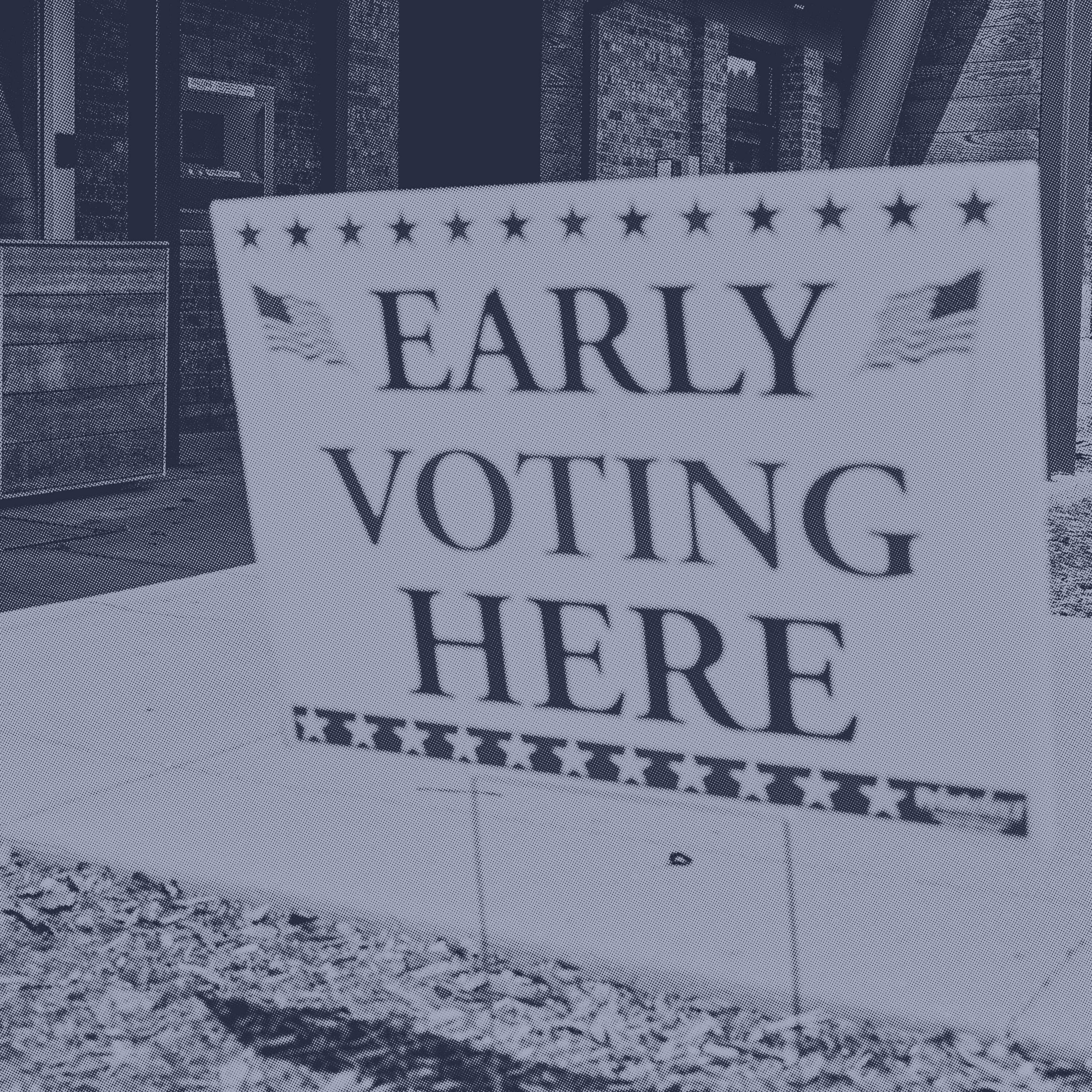
Early voting has complicated everything
- Ballots had already been cast by the time some of the major campaign changes happened.
- Courts ruled that voters cannot re-cast ballots if their preferred candidate dropped out or changed status after they voted.
Francesca Hong’s Rise
Why she’s leading
- Francesca Hong, a state representative from Madison, has been the front-runner for much of the year.
- She is running as a Democratic Socialist and has built a strong grassroots following.
- Her background stands out:
- former chef and bartender
- owned a ramen restaurant
- continued bartending while serving in the legislature
Why voters connect with her
- Supporters see her as:
- authentic
- a working-class candidate speaking from lived experience
- energetic and unconventional
- Her campaign style is notably different from typical political operations:
- rallies
- livestreamed slumber party
- a recurring “policy lotería” game
Major Issues Driving the Democratic Primary
Core Democratic priorities
Voters are focused on familiar party themes:
- affordability
- health care access
- standing up to Donald Trump
Data centers as a standout issue
- One of the most important local issues is the rapid growth of data centers in Wisconsin.
- Hong has taken the most aggressive position, calling for a moratorium on data center development.
- Other candidates have tried to be more cautious, but Hong’s stance has resonated with voters who are uneasy about:
- environmental impacts
- noise pollution
- corporate influence
- weak local approval processes
Why the issue matters nationally
- The episode notes that data center skepticism is not just a Wisconsin issue.
- Similar debates are happening in other states, including both blue and red states.
- The issue cuts across party lines because it combines:
- labor concerns
- distrust of big tech
- community control
- environmental anxiety
The Establishment vs. Progressive Split
A bigger fight inside the Democratic Party
- The discussion frames this race as part of a larger national debate:
- Should Democrats nominate more progressive, movement-style candidates?
- Or should they stick with candidates seen as more moderate and electable in swing states?
- A CNN poll cited in the episode said one-third of Democrats now identify as Democratic Socialists, underscoring the shift.
Competing arguments
- Progressive argument: voters want fighters who will challenge the system.
- Establishment argument: candidates too far left may alienate moderates and independents in purple states like Wisconsin.
Why elections, not primaries, may settle it
- Tamara Keith argues this internal party argument likely won’t be resolved in primaries alone.
- The real test will come in general elections, where broader electorates decide whether progressive candidates can win statewide.
The Other Democratic Contenders
David Crowley
- Crowley’s re-entry is widely seen as a sign that establishment Democrats want to influence the outcome.
- He won the endorsement of outgoing Democratic Governor Tony Evers, which helped bring him back into the race.
- But his candidacy is complicated by identity and electability dynamics:
- he is a Black man from Milwaukee
- Wisconsin has never elected a governor who was not a white man
- Supporters say he is being held to a double standard: he is both a mainstream choice and a potential historic first.
Mandela Barnes
- Barnes is a recognizable figure from his prior U.S. Senate run.
- He entered with expectations of a strong fundraising advantage, but that did not materialize.
- Some Democrats worry that losing to Ron Johnson in a previous Senate race suggests he may not be the strongest general election candidate.
- Some strategists also think Crowley’s return may split anti-Hong votes without creating a clear alternative.
Republican Side of the Race
Tom Tiffany is the frontrunner
- On the Republican side, U.S. Rep. Tom Tiffany is the clear leader.
- He has been endorsed by Donald Trump.
- Despite that alignment, he is running a deliberately low-drama campaign:
- family-friendly ads
- pancakes
- references to his dairy-farm upbringing
- positioning himself as “Wisconsin’s dad”
GOP strategy toward Hong
- Republicans appear to believe Hong would be easier to beat in the general election.
- National Republican groups are even spending money on ads that may indirectly help her in the Democratic primary by amplifying her most left-wing positions.
- That creates a possible paradox: attacks meant to weaken her might actually energize progressive voters.
Concerns and Controversies Around Hong
Past positions and current messaging
- Hong has previously supported more radical positions such as:
- defunding the police
- abolishing ICE
- abolishing the Senate
- In this governor’s race, she has adopted a more nuanced tone.
- She said in the debate that she would not pull funding from police as governor.
Media and messaging risk
- Hong has appeared on streamer Hasan Piker’s program and fundraised there.
- Critics, especially some Jewish Democrats, objected because of Piker’s past antisemitic comments.
- Hong argues that appearing with someone is not the same as endorsing them, and that she is trying to reach voters outside traditional media bubbles.
- The episode notes the political risk: nuanced arguments can be reduced to easy attack-ad clips.
What to Watch Next
Key factors before voting ends on August 11
- Whether late-deciding voters break toward Hong or consolidate around Crowley or Barnes
- How much the early-voting turnout limits the impact of late campaign developments
- Whether outside spending, especially by Republicans, continues to shape the race
- Whether undecided voters—still about one-third of Democrats—move in the final days
Main Takeaways
- Wisconsin’s Democratic governor primary has become a proxy fight over the future of the Democratic Party.
- Francesca Hong is the current front-runner, powered by grassroots energy and a strong progressive message.
- Establishment Democrats are trying to consolidate around alternatives like David Crowley and Mandela Barnes, but the field remains fragmented.
- Data centers have emerged as a major, cross-partisan local issue that could help define the race.
- Republicans may prefer Hong as the nominee, believing she would be easier to defeat in November.