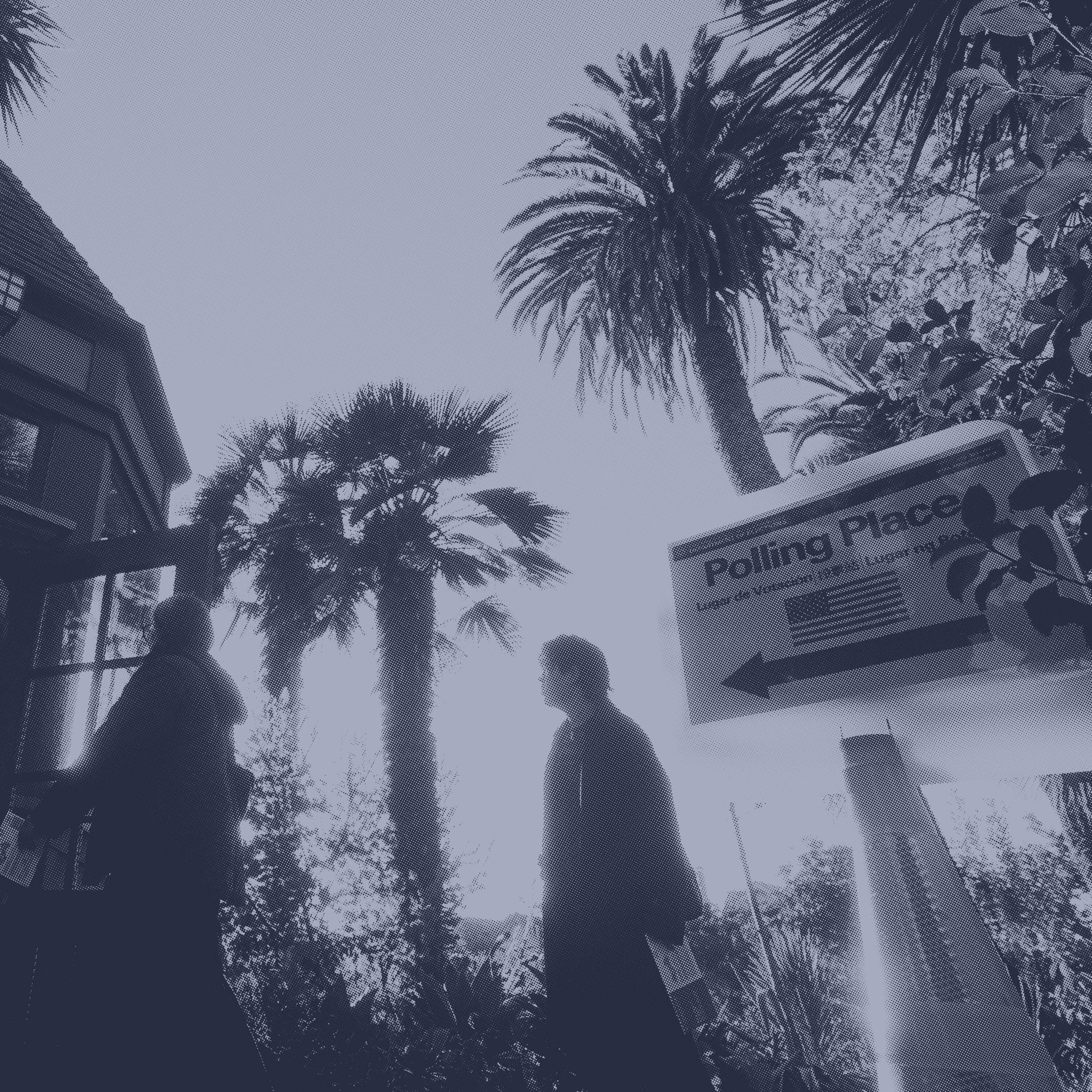
Overview of What to know about the California governor’s race
This NPR Politics Podcast episode breaks down California’s unusual top-two primary and the crowded race for governor ahead of the June primary. The conversation centers on three main candidates—Republican Steve Hilton and Democrats Javier Becerra and Tom Steyer—and how late-campaign developments, especially Trump’s endorsement of Hilton and the collapse of Eric Swalwell’s campaign, have reshaped the field. The episode also touches on the Los Angeles mayor’s race, where Karen Bass faces low approval ratings and an unexpectedly attention-grabbing challenge from Spencer Pratt.
Key Takeaways from the California Governor’s Race
California’s top-two primary creates unusual dynamics
- All candidates, regardless of party, appear on the same ballot.
- The top two vote-getters advance to the general election.
- That means the runoff could, in theory, include:
- two Democrats,
- two Republicans, or
- one of each.
- This cycle initially raised concern that Democrats might split their vote enough to let two Republicans advance, though that now appears unlikely.
The main candidates
- Steve Hilton (Republican)
- Former adviser to UK Prime Minister David Cameron
- Later became a Fox News host/commentator
- Benefited significantly from Trump’s endorsement, which helped unify Republican voters behind him
- Javier Becerra (Democrat)
- Former California attorney general
- Also served as U.S. Health and Human Services Secretary
- Part of a long California tradition of attorneys general becoming governor
- Tom Steyer (Democrat)
- Billionaire investor and progressive donor
- Has poured more than $213 million of his own money into the campaign
- Running on a strongly progressive platform, but his wealth remains a potential liability with Democratic voters
A chaotic, unsettled campaign
- The race has had no clear front-runner for most of the cycle.
- Several high-profile figures chose not to run, including:
- Kamala Harris
- Alex Padilla
- Rob Bonta
- Eric Swalwell briefly surged, then dropped out after sexual assault allegations and resigned from Congress.
- Many of Swalwell’s supporters appear to have moved toward Becerra.
- Because California is expensive media territory, candidates need significant funding just to become known statewide.
Trump’s endorsement mattered
- Trump’s backing of Steve Hilton was described as the biggest moment on the Republican side.
- It likely consolidated the GOP vote and helped Hilton secure a path to the runoff.
- NPR notes this resembles the 2018 governor’s race, when Trump’s endorsement helped shape the Republican outcome there too.
Main Policy Fault Lines
Single-payer health care
- Becerra has moved away from full-throated support for single payer.
- Steyer still strongly supports it.
- Steyer also admits it would take a long time to implement, and would likely require federal approval.
Oil drilling and energy
- A sharper contrast emerged over new oil drilling:
- Steyer opposes it.
- Becerra says he could support it in places like Kern County.
- This is tied to a broader California debate over:
- energy transition,
- local jobs,
- public health,
- and the state’s high gas prices.
Affordability and gas prices
- California gas prices remain a major voter concern.
- The discussion notes that more drilling does not necessarily mean lower pump prices, since oil is a global market.
- The candidates’ debate reflects a broader Democratic divide over environmental regulation and energy policy.
What This Race Could Mean for Democrats
A possible test case for the party’s direction
- The hosts ask whether California’s governor’s race can reveal anything about the national Democratic Party.
- The answer: somewhat, but only limitedly, because California is such a deep-blue state.
- Still, the race may offer clues about:
- whether Democrats can embrace a wealthy progressive like Steyer,
- how the party balances technocratic governance vs. populist energy,
- and how voters respond to billionaires on the left.
The Steyer question
- A Steyer win could be interpreted in two very different ways:
- as a rich candidate buying the governorship, or
- as a progressive movement victory backed by a major donor.
- That ambiguity makes him the most interesting possible general-election finalist.
The Top-Two Primary Debate
Reform or problem?
- The top-two system was originally designed to empower moderates and reduce polarization.
- But this race revived criticism that it can create confusion and strategic voting problems.
- Some Democrats were worried about a two-Republican runoff, though that scenario now seems less likely.
Is there a push to abolish it?
- Guy suggests there may be renewed interest in changing the system after this primary.
- However, that push would mostly come from people who never liked top-two primaries in the first place.
- The system also affects Congressional and local elections, so the debate is broader than the governor’s race.
- The hosts note that California’s experimentation with reforms—like top-two primaries and nonpartisan redistricting—could be seen as reversing direction if those reforms are rolled back.
Los Angeles Mayor’s Race: Why It’s Getting Attention
Why the race is national news
- It’s the race for the second-largest city in the U.S.
- Incumbent Karen Bass has low approval ratings
- Spencer Pratt (of The Hills fame) has drawn outsized attention after running a campaign centered on Bass’s response to the Palisades fire
Core issues in the race
- Fire response and recovery
- Housing affordability
- Homelessness
- Street conditions / city services
- Public safety
Karen Bass’s strategy
- Bass has surprisingly leaned into talking about homelessness, an area where she says there has been progress.
- Her administration has used programs like Inside Safe, which moves unhoused people into motel rooms and other temporary housing.
- She appears more comfortable running on homelessness and public safety than on the fire response.
Spencer Pratt’s path is unclear
- Pratt has gained major exposure on Fox News, but the hosts question whether that translates to real support among Los Angeles voters.
- Because LA voters are overwhelmingly Democratic, Pratt’s Republican-coded campaign may have limited reach.
- Bass appears most comfortable running against Pratt in a likely runoff, much like she did in 2022 against Rick Caruso.
Bottom Line
- California’s governor’s race is still fluid, with Becerra, Steyer, and Hilton the key names to watch.
- Trump’s endorsement may have locked up the Republican lane for Hilton.
- The Democratic contest remains a battle between a traditional institutional candidate and a progressive billionaire.
- The episode also suggests the race could influence future debates over:
- the top-two primary system,
- Democratic identity,
- and California’s role as a policy laboratory.
- In Los Angeles, the mayoral race is increasingly about competence, recovery, and homelessness, with Spencer Pratt emerging as a media phenomenon rather than an obviously viable candidate.