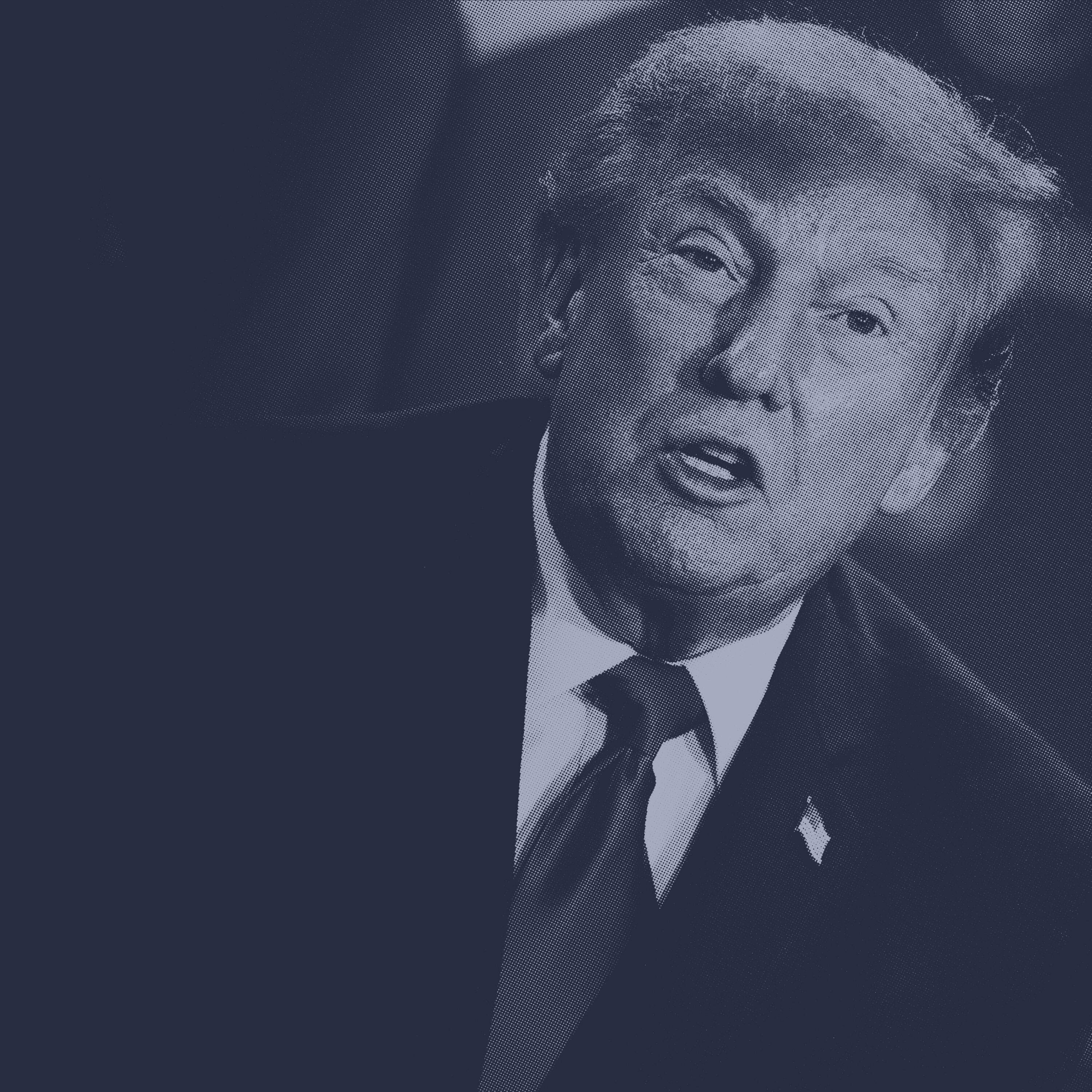
Overview of Trump vs. the media
This NPR Politics Podcast episode examines President Trump’s escalating confrontation with the press, focusing on his decision to revoke White House access for reporters from CNN, MS NOW, and Politico. The hosts and NPR media correspondent David Folkenflik explain how the dispute is playing out in court, why news organizations see it as a constitutional test, and how it fits into a broader pattern of Trump-era pressure on the media.
What happened
Trump’s Truth Social post
- Trump announced that certain outlets were publishing “fake news” and said they should not be allowed to “constantly write a report fiction and lies.”
- He specifically targeted CNN, MS NOW, and Politico, and threatened to pull their White House press credentials.
- The administration then followed through by revoking access for dozens of reporters, including about 40 CNN credentials.
Immediate effects
- Reporters from the affected outlets were denied entry at the White House badge checkpoint.
- CNN was also removed from its role in the TV pool, limiting its ability to cover presidential events closely.
- The outlets have continued reporting from outside the White House grounds.
The legal fight
What the outlets argue
- CNN, MS NOW, and Politico filed suit, claiming the White House actions violate:
- The First Amendment: retaliation based on viewpoint and unfavorable coverage.
- The Fifth Amendment: due process, because the administration acted without a proper notice-and-appeal process.
How the administration is defending itself
- Trump has argued that the press has no absolute right to cover the White House from inside the grounds.
- The White House later claimed the outlets had spread falsehoods and disclosed sensitive information, citing examples such as:
- reporting about a new White House ballroom and bunker,
- claims about munitions in the Iran conflict,
- coverage of a Texas political convention.
- The administration also attempted to create a retroactive appeals process after the lawsuit was filed.
Why White House access matters
The pool system
- The White House press pool exists so a small rotating group of reporters can cover events where every outlet cannot fit.
- Pool reporting is shared with the broader press corps and helps ensure independent coverage of the president.
- The system includes print, radio, and television pools, and has historically been managed by the White House Correspondents’ Association.
The practical impact
- Losing access changes how fast and how closely journalists can report on presidential activity.
- It can reduce the quality of coverage by limiting direct access to the president, staff, and events.
- The episode notes that the White House has already restricted access in other ways, including limiting reporter movement in areas like “upper press.”
Broader response from the media
Pushback from news organizations
- Dozens of news outlets and public media organizations, including NPR, signed an amicus brief supporting the lawsuit.
- Major editors and executives described the move as a blatant First Amendment violation.
- Fox News and other pool members reportedly declined to replace CNN, saying an attack on one member is an attack on the whole system.
Signs of a wider chilling effect
- NPR and other outlets said they might not use video, audio, or still images from alternate sources in some cases.
- The White House has tried to fill the gap with its own self-produced footage, but that does not substitute for independent reporting.
Bigger picture: Trump’s broader war with the press
A pattern of pressure
Folkenflik describes the credential fight as part of a larger strategy that includes:
- lawsuits against major outlets like The Wall Street Journal,
- FCC investigations into broadcast networks, including NPR,
- pressure on companies with media holdings,
- and threats to broadcast licenses or regulatory approvals.
Media owners and political influence
- Some owners have made editorial or staffing changes that reduce friction with Trump or his allies.
- The episode points to examples involving:
- The Washington Post under Jeff Bezos,
- The Los Angeles Times under Patrick Soon-Shiong,
- and the looming consolidation of media power tied to the Ellison family and Paramount/Warner-related deals.
- The hosts frame this as an environment where commercial interests, regulation, and political pressure can all affect press independence.
Key takeaways
- This is not just a press-badge dispute: it’s a direct test of whether the government can punish outlets for unfavorable coverage.
- The legal claims are serious: the case centers on First Amendment retaliation and Fifth Amendment due process.
- The effects are already real: reporters have lost physical access, pool coverage has been disrupted, and the White House is narrowing independent scrutiny.
- This fits a broader Trump-era media strategy: using lawsuits, regulatory pressure, and public attacks to shape coverage.
- The outcome could matter beyond these three outlets: it may set a precedent for how much leverage a president has over press access at the White House.