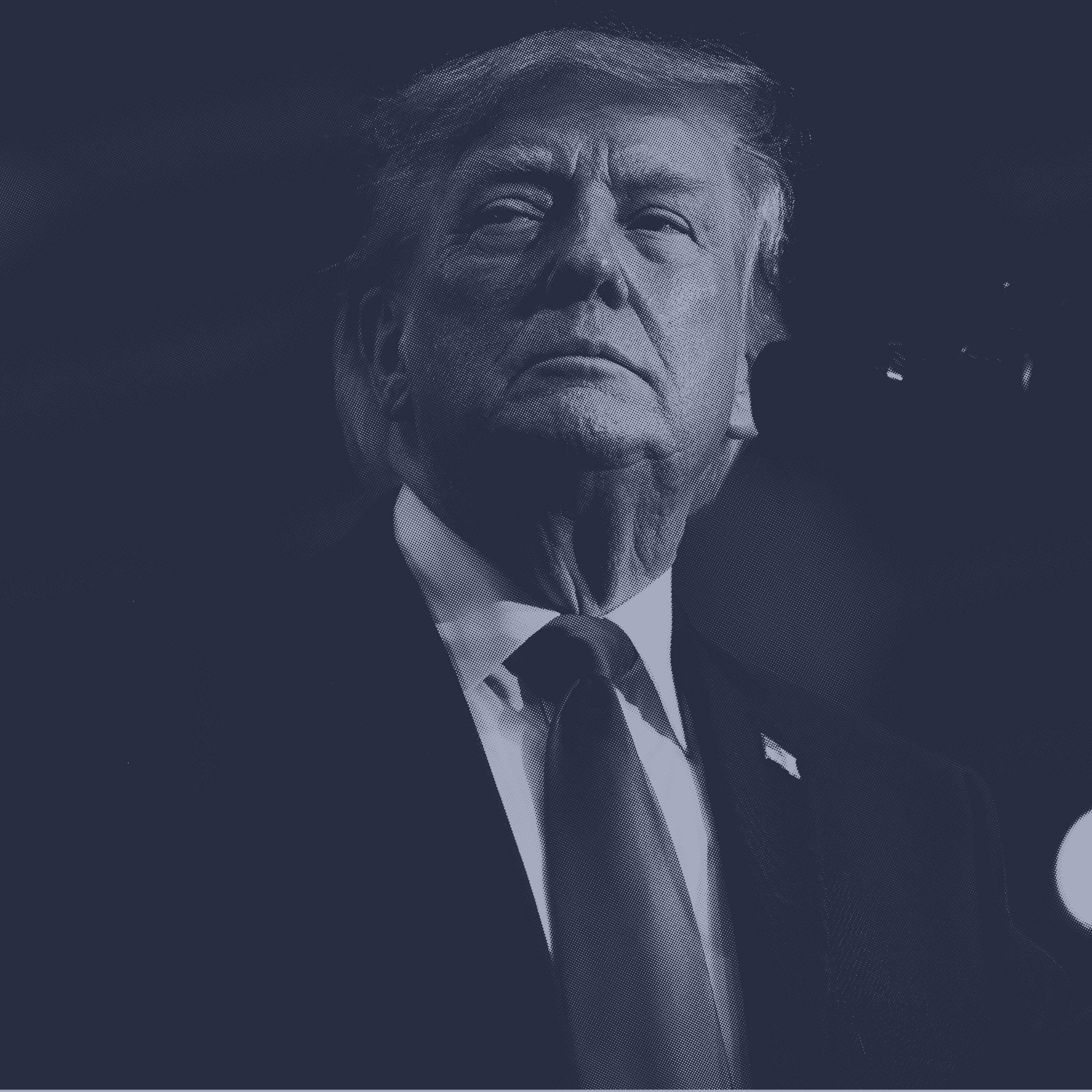
Overview of The peril and promise of presidential power
This NPR Politics Podcast episode examines how presidential authority has expanded over time and how Donald Trump is pushing that expansion further in his second term. The hosts argue that the modern presidency has become increasingly “imperial,” with executive action often replacing legislation as the main way presidents get things done. The discussion focuses on Trump’s unilateral moves, Congress’s fading ability to check him, and what this means for the future of American government.
Main themes
The modern “imperial presidency”
- The term refers to a presidency that acts with growing independence from Congress and, increasingly, from internal administration constraints.
- The hosts argue that Trump sees executive power more expansively than most recent presidents and is willing to use it aggressively.
Trump’s second-term approach
- Trump is described as openly boasting about doing whatever he wants and being more powerful than in his first term.
- The episode highlights his willingness to use executive authority not just on policy, but against:
- political opponents
- universities
- the media
- lawyers and institutions he views as hostile
Examples of unilateral action discussed
Actions cited by the hosts
- DOJ search of a congresswoman’s home
- Restrictions on White House media access using national security rationales
- D.C. tree removal tied to golf course redevelopment against a judge’s wishes
- Investigations into universities like Harvard and Yale
- Negotiations with Russia that appear to conflict with sanctions passed by Congress
Symbolic and structural power moves
- The hosts note that Trump is also trying to create lasting legacy projects and reshape institutions.
- Examples include construction and physical changes in Washington, which are harder for a future president to reverse than executive orders.
Why Congress is not acting as a real check
Weak legislative capacity
- Congress is portrayed as too divided and too weak to pass major legislation consistently.
- Narrow majorities, especially in the House, make it difficult to build consensus.
Political incentives favor compliance
- Republican lawmakers often see more benefit in aligning with Trump than in defending congressional authority.
- The cost of opposing Trump is high, while supporting him can preserve influence and career prospects.
Oversight has eroded
- The hosts argue Congress has largely abdicated its oversight role.
- There is little serious pushback except in limited cases, such as the bipartisan effort around Jeffrey Epstein-related files.
Other checks on presidential power
Courts
- The judicial branch has pushed back in some areas, but not enough to restore balance broadly.
- The episode notes that Supreme Court rulings, including one granting presidential immunity for official acts, have increased presidential latitude.
Presidential immunity and pardon power
- The discussion emphasizes that presidential immunity and the pardon power give presidents broad protection and flexibility.
- Trump is expected to use these tools at least as aggressively as past presidents, if not more so.
Historical context and comparisons
Previous presidents also expanded power
- George W. Bush used signing statements to reinterpret laws.
- Barack Obama famously said he had “the pen and the phone.”
- The hosts argue Trump has taken this trend much further than either predecessor.
Executive action as a workaround
- Presidents increasingly use executive action when Congress cannot or will not legislate.
- The episode points to DACA as an example of a major policy created through executive action because Congress could not reach a durable immigration deal.
What this means going forward
Executive actions are fast but fragile
- Executive orders can be reversed by the next president.
- That said, some actions and institutional changes can be harder to undo once norms and precedents shift.
Power tends to accumulate
- The hosts suggest presidential power rarely contracts once expanded.
- Future presidents, regardless of party, are likely to keep using executive tools because Congress remains ineffective.
Future Republican Party questions
- The episode raises the question of what happens after Trump.
- Republicans may eventually need to decide whether they still believe in limited government or simply in using presidential power when it benefits them.
Bottom line
The episode argues that Trump is both a product of and an accelerant for the modern imperial presidency. Congress is too weak to restrain him effectively, the courts offer only partial resistance, and executive power continues to grow because it is faster, easier, and politically safer than legislating. The result is a system where presidents increasingly govern by fiat, while the constitutional checks meant to balance them are fading.