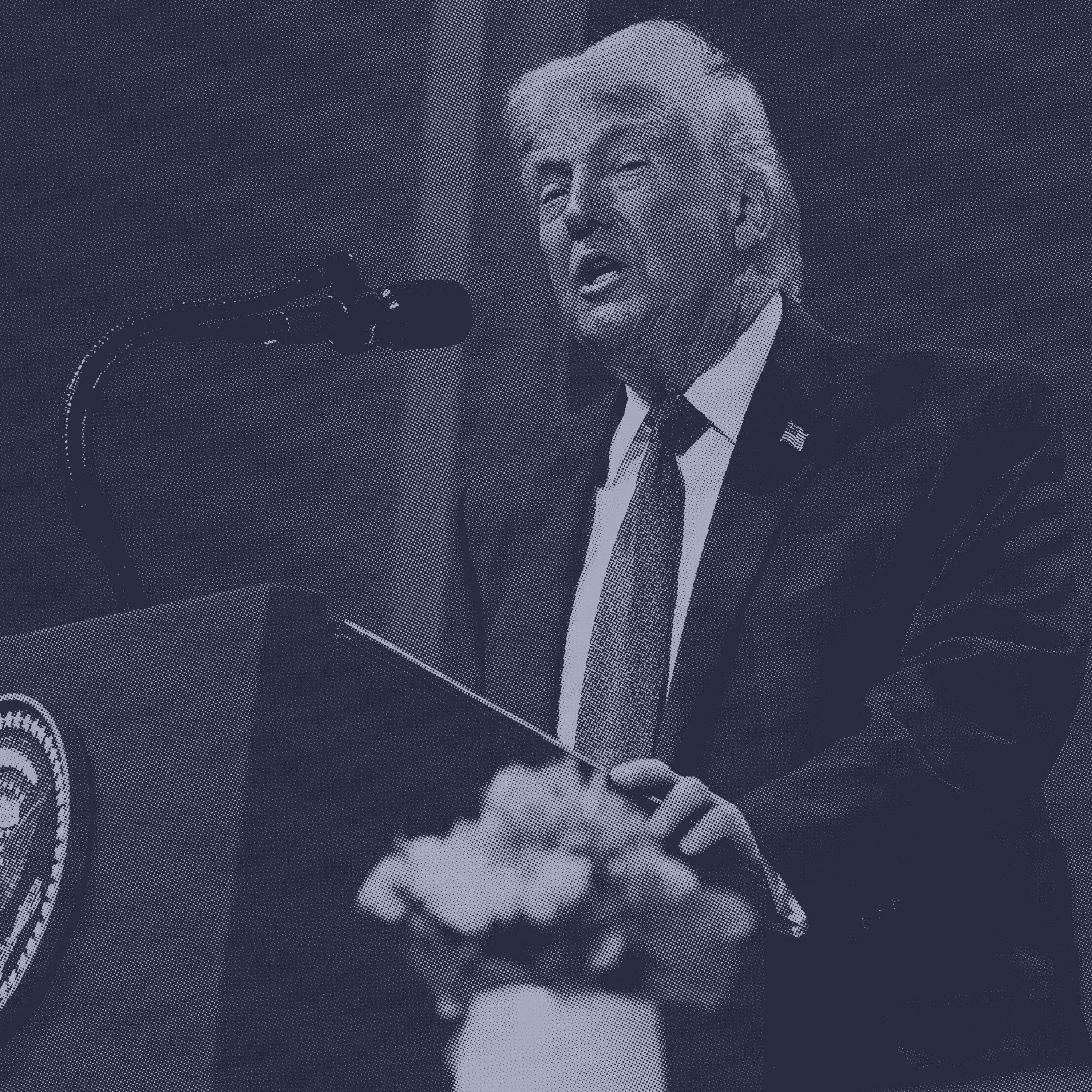
Overview of Why these swing voters say they’re frustrated with Trump
This episode of the NPR Politics Podcast (Jan 22, 2026) presents the first installment of a monthly qualitative series in which NPR — partnering with message researchers Engages and Sago — convenes focus groups of “swing voters” (people who voted for Joe Biden in 2020 and Donald Trump in 2024) to learn why they feel the way they do. This episode reports on a 14-person Pennsylvania Zoom focus group (7 Republicans, 6 independents, 1 Democrat) moderated by Rich Tao. The aim: not to measure how many people think X, but to surface the reasons and emotions behind these voters’ views and track whether those feelings shift ahead of the midterms.
Key takeaways
- These swing voters dislike both parties and are notably sour about current politics; they are persuadable and provide nuanced criticisms rather than simple partisan flips.
- Economy is the top concern — many feel more anxious about their pocketbooks now than before Trump took office, and some specifically blame Trump for not prioritizing working-class economic issues.
- Immigration remains a core issue: voters generally like the border being “closed” but worry about interior enforcement (ICE) overreach, profiling, and the detention of non-criminals or U.S. citizens.
- Foreign policy and a string of international actions are seen as distractions from domestic pocketbook issues; some voters expected more isolationism and feel “distracted” by overseas operations.
- Trump’s combative style and divisive rhetoric bother multiple participants, because it makes them socially uncomfortable and forces them to defend their vote — although this hasn’t led most to abandon him.
- Quantitative signals in the group: 8 of 14 said they disapprove of Trump’s job performance so far; on ICE, about 8 thought enforcement was appropriate while 6 thought it was going too far. These are small, non-representative numbers but useful for nuance.
Who these voters are and how NPR ran the group
- Profile: 14 Pennsylvania voters who all voted Biden (2020) and Trump (2024). Self IDs: 7 Republican, 6 independent, 1 Democrat.
- Method: Qualitative Zoom focus group moderated by Rich Tao (Engages). Not a scientific poll — sample is small and not representative. Purpose is exploratory (“why”) rather than measurement (“what percentage”).
- Series plan: NPR will run these monthly in different swing states (next installment will focus on Arizona) to monitor changes in sentiment and whether those feelings translate into midterm behavior.
How participants described the parties (one-word exercise)
- Democrats: distracted; unprepared; panicked; sensitive; whiny; scary; disoriented; corrupt; “weak” (two participants said weak).
- Republicans: Trump; weak; conservative; bewildered; outspoken; patriotic; loyal; immoral.
- Interpretation: these voters feel negative toward both parties — explaining their swing behavior — with particular bitterness and frustration toward perceived inattentiveness and poor tone from both sides.
Breakdown by major issues
- Economy
- Primary concern for most participants; many feel worse off since Trump took office despite having voted for him partly on economic promises.
- Some voters explicitly blame Trump for not doing enough for working-class Americans; others still assign blame to Biden for the state of the economy — sentiments are mixed and time-sensitive.
- Trump is trying to emphasize economic messaging (weekly events), but voters resent being told the economy is great if their lived experience is otherwise.
- Immigration and ICE
- Strong support for stricter border control and “closing” the border was praised.
- Significant unease about how immigration enforcement is carried out inside the country: worries about profiling, non-criminal detentions, and even U.S. citizens being affected.
- Rough split in the group: ~8 think ICE is doing it right; ~6 think ICE is going too far.
- Most participants did not connect a recent high-profile ICE shooting directly to Trump’s policies — only ~2 of 14 blamed the president personally; many see the actions of individual agents as separate from presidential intent, though they do question ICE training and tactics.
- Foreign policy and presidential style
- Several voters expressed that foreign interventions (Venezuela raid, attention to other global conflicts) felt like distractions from domestic economic priorities.
- Some had expected Trump to be more isolationist and are disappointed by an activist foreign-policy posture.
- Trump’s combative, divisive rhetorical style remains a drawback for many — it imposes social costs on his supporters and creates “buyer’s remorse” without causing mass defections in this group.
Notable participant quotes (short)
- Hassan (independent): Enforcement is leading to people being profiled; folks with an accent are at risk of being targeted.
- Kimberly (independent): She voted for Trump expecting focus on working people; she feels ignored and sees Trump focusing more on political adversaries than economic relief.
- Grace (Republican): Foreign interventions (e.g., Venezuela raid) make her anxious about what’s next and contribute to economic unease.
Implications & what to watch
- Watch whether persistent economic anxiety among these voters shifts their midterm behavior; the group is open to change but hasn’t largely defected yet.
- Track whether Trump’s foreign-policy actions and continued high-profile interventions erode support among voters who expected domestic focus or an isolationist posture.
- Monitor ICE/interior-enforcement stories: strong enforcement messaging may keep some voters, but reports of overreach or wrongful detentions could alienate others who simultaneously want border control.
- Observe whether Trump’s tone and divisiveness continue to be a social liability for his supporters and whether that affects down-ballot Republican candidates in 2026.
Methodological caveat
This report draws on a small qualitative sample and is not a poll. The value is in the “why” and the nuance of voter thinking; findings are not statistically generalizable but informative for trends and narrative shifts to monitor ahead of the midterms.
Next episode
- NPR will publish another focus group in about a month, this time with swing voters in Arizona (again via Zoom), to check for shifts in priorities and whether attitudes toward Trump influence views of Republican candidates for the midterms.