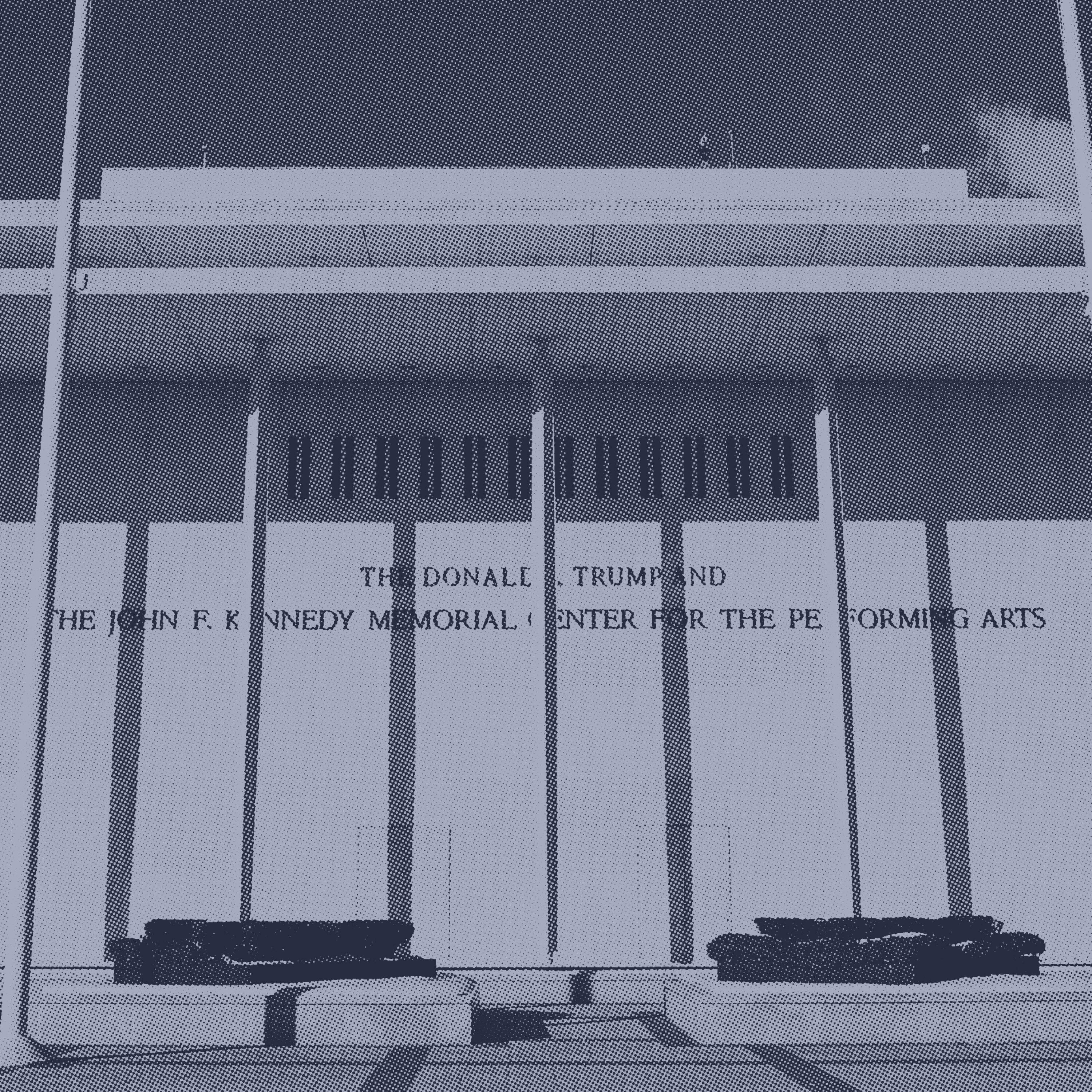
Overview of NPR Politics Podcast — "Trump's name and face are on all the things"
This episode examines a growing campaign—driven by President Trump and his allies—to put his name and likeness on government property, programs, and currency. Hosts Miles Parks, Tamara Keith, and Mara Liasson explain what’s happening (coins, buildings, agency signage, programs), why it matters legally and normatively, how it compares to past practice, and the broader implications for American democratic norms.
What’s happening — concrete examples
-
Coins
- A large gold commemorative coin (250th anniversary) has been approved that will depict President Trump standing at a desk. It would not circulate; it’s a collectible.
- A $1 coin that would circulate is also planned to feature the sitting president’s portrait. The U.S. Treasurer defended this by saying no profile is more emblematic for the 250th than the serving president.
- The administration bypassed the Citizens Coinage Advisory Committee (CCAC) after that committee removed the item from its agenda in protest.
-
Buildings, signage, and programs
- Two federal buildings in Washington, D.C. have been named after Trump.
- Banners with his face hang outside multiple federal agency buildings (including the Justice Department).
- National Park passes now feature his face.
- Other items/programs using his name: “Trump Rx,” the “Trump Gold Card” (expedited immigration/perks for $1M+ investors), “Trump Accounts” and more.
- Proposals and legislative moves to rename airports, streets, and other public sites (e.g., Florida legislature renaming a street and Palm Beach Airport).
Legal and procedural issues
-
Custom and law
- Longstanding U.S. practice (and legal guidance) generally opposes depicting living people—especially sitting presidents—on circulating U.S. coins. CCAC members say lawyers have consistently advised against it.
- Historical precedent: a controversial Calvin Coolidge coin (around the U.S. sesquicentennial) was largely melted down after public outcry, making surviving examples rare.
-
Bypass of oversight
- The administration moved forward after CCAC members refused to consider the designs, effectively sidelining that advisory review by claiming CCAC forfeited its opportunity to review.
-
Litigation and standing
- CCAC members believe they may not have legal standing to block the coins in court; some think Congress might have standing—but practical enforcement or successful challenges are uncertain.
- Hosts predict the coins and commemorative merch will likely appear despite objections.
Norms, symbolism, and comparisons
-
Norms broken
- The episode frames these moves as more than branding: they symbolize an expanded, personalized executive power and a change in the etiquette of the presidency (from “servant of the republic” toward personalization/self-commemoration).
-
Personality cult comparisons
- Ruth Ben-Ghiat (NYU historian) argues the pattern resembles authoritarian personality cults: leader’s image, taste, and name everywhere—architecture, institutions, and public space—mirroring tactics used by autocrats globally.
-
Political incentives
- Some renamings originate with state or local lawmakers seeking to curry favor. Others are enabled by replacing review boards with loyalists, making such changes administratively easier.
How it matters to voters and democracy
- Voter salience
- Hosts expect most voters either don’t notice or don’t care about the specifics (coins/banners) compared with pocketbook issues like gas prices. If the administration focused public attention on these items constantly, it could become politically costly.
- Broader significance
- Symbolically important: signals the personalization of power and potential democratic backsliding. Some changes may be reversible; others (institutional shifts, precedent of sidelining oversight bodies) might persist.
- Long-term risk
- While Trump’s intensity and grandiosity are unusual, the institutional precedents—e.g., replacing oversight bodies with loyalists—could outlast a single administration and affect future presidencies.
Notable quotes and soundbites
- U.S. Treasurer on the $1 coin: “There is no profile more emblematic for the front of coins that commemorate the 250th birthday than that of our serving president, Donald J. Trump.”
- CCAC member Donald Scurrency: the president-on-coins idea “is completely out of line with the principles of America’s founding…we fought a revolution against rule by a king.”
- Ruth Ben-Ghiat: this trend is “the building of a personality cult” similar to historical strongmen.
- Host observation (Mara Liasson): “This is a symbol of how our form of government is changing and how Trump is changing it.”
Key takeaways
- The administration is actively moving to put President Trump’s name and likeness on coins (including a circulating $1 coin), federal property, and government programs—sometimes by bypassing advisory bodies.
- These moves are legally and culturally controversial because they violate longstanding norms against portraying living presidents on national currency and against overt personal aggrandizement by heads of state.
- While many voters may be indifferent to the symbolism, these actions reflect deeper institutional changes (loyalist appointments, norm erosion) that could have lasting effects on executive power and democratic norms.
- Successful legal challenges are uncertain; congressional action or public pushback would be the most direct checks, but political will is required.
Questions and consequences to watch
- Will courts or Congress successfully block coins or other official namings?
- Will future administrations adopt similar personalization, or will norms be restored?
- Will voters factor symbolic personalization into electoral judgments, or will pocketbook issues continue to dominate?
- Which of these changes (coins, building names, agency branding) prove reversible, and which create enduring precedents for executive aggrandizement?
Bottom line
The episode frames the coin and renaming controversies as more than vanity projects: they are symptomatic of how a presidency can reshape institutions, norms, and symbols of the state. Whether these changes matter politically depends on public attention and institutional checks—but the moves do mark a notable departure from historical American practice.