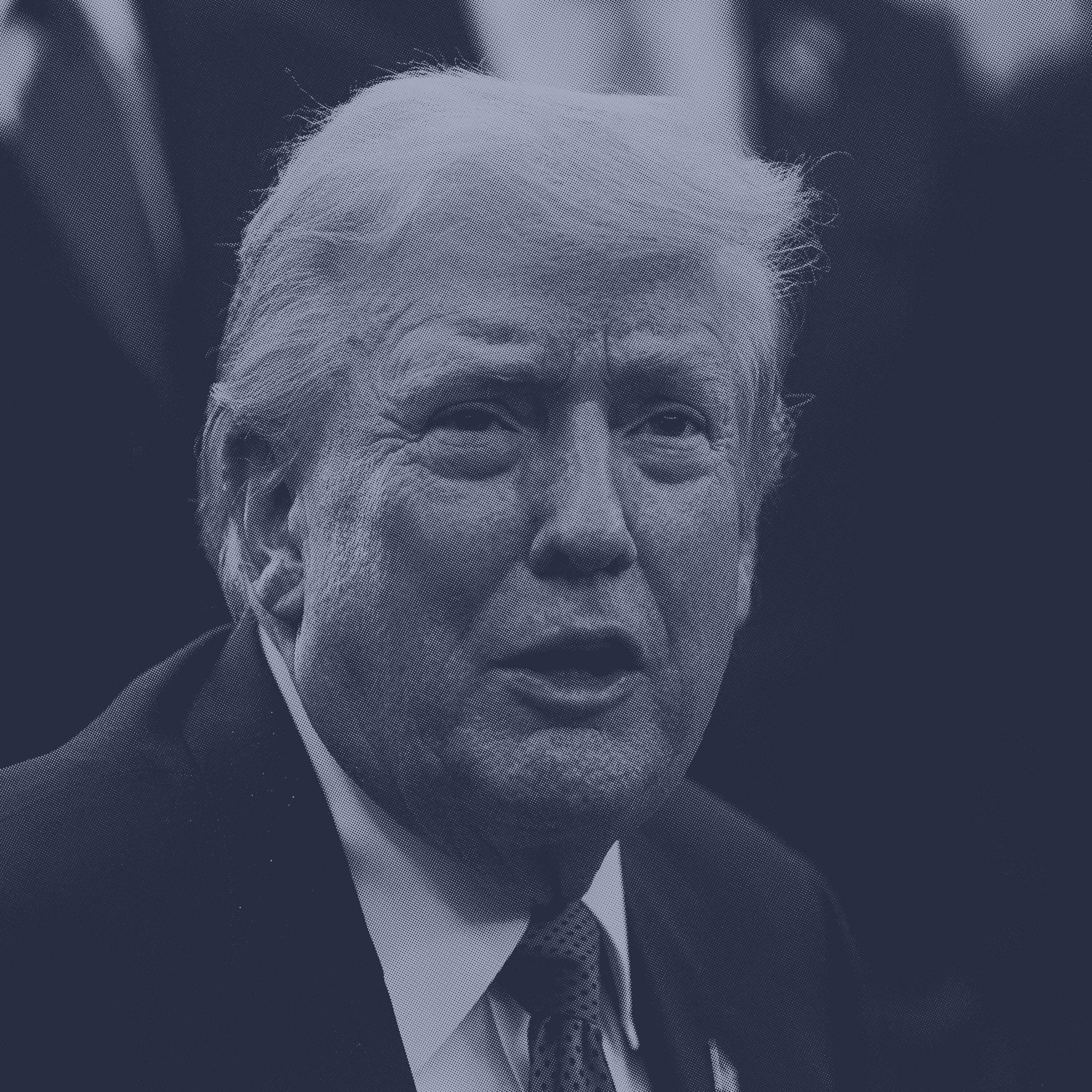
Overview of Trump says Republicans should ‘nationalize’ elections
This episode of the NPR Politics Podcast (hosts Tamara Keith, Miles Parks, Domenico Montanaro) analyzes President Trump’s public call for the federal government to “nationalize” U.S. elections — a remark he made on Dan Bongino’s podcast — and places it in constitutional, political and practical context. The discussion covers what Trump likely means (and likely doesn’t mean), constitutional limits, congressional options (including the SAVE Act), recent federal actions around election probes (the Fulton County raid), involvement by the administration’s intelligence and justice agencies, and how state and local election officials are reacting and preparing ahead of the midterms.
Key points and main takeaways
- Trump publicly suggested Republicans should “nationalize the voting” — centralize election administration at the federal level — citing alleged illegal voting by noncitizens in some places.
- The U.S. Constitution assigns states primary authority over elections (Elections Clause). The presidency is not given direct control; Congress can, however, enact nationwide rules.
- It’s unclear whether Trump meant an executive order, new federal legislation, or rhetorical rhetoric. No specific plan was presented.
- Political and legal barriers make full “nationalization” unlikely: lack of congressional votes, Republican attachment to states’ rights, and likely court resistance.
- The Trump administration has pursued other federal measures: an executive order on voting in March (previous term), the SAVE Act proposal (proof-of-citizenship requirement), and DHS/other data efforts that have identified extremely few noncitizen voters.
- Recent federal activity (notably an FBI raid in Fulton County, Georgia) and the DNI’s presence at the scene have blurred long-standing boundaries between the White House, DOJ, and intelligence efforts — raising concerns about politicized federal intervention in local elections.
- State and local election officials — including Republican officials — are alarmed and preparing for atypical federal interference scenarios as a real contingency ahead of the midterms.
What “nationalize the voting” could mean (and why it matters)
- Possible meanings:
- An executive order centralizing certain election functions (limited by constitutional and statutory constraints).
- Federal legislation transferring authority or imposing uniform rules across states.
- Rhetorical push to delegitimize state-run systems and build political pressure.
- Why it matters:
- The Elections Clause and decades of practice place election administration with states and localities; inserting the presidency would be a major structural shift.
- Centralizing election control would create a huge incentive for partisan abuse (Mitch McConnell warned against empowering a future opposing president).
- Such a change would likely provoke legal challenges and political backlash.
Constitutional, legislative and legal constraints
- Constitution: State legislatures are tasked with determining how federal elections are held; Congress has limited power to make nationwide rules but the executive branch has no constitutional mandate to run elections.
- Congress: Could pass uniform election laws, but would need sufficient votes — unlikely without bipartisan support. The SAVE Act, pushed by some Republicans, seeks proof-of-citizenship for registration but faces steep hurdles.
- Courts: Would likely block direct attempts by the president to commandeer state election administration.
Policy proposals discussed
- SAVE Act: Would require proof of citizenship (beyond photo ID) for voter registration or updates. Likely politically and procedurally difficult to pass and criticized as extreme by Democrats and some election experts.
- Previous executive actions: Trump signed an executive order on voting previously; he has teased further orders, but practical effect and legality are uncertain.
Recent federal actions and concerns about politicization
- Fulton County, Georgia FBI search (raid) for 2020 election materials drew national attention. Photos showed DNI Tulsi Gabbard on site; she later said investigating election security was part of her job and helped facilitate a phone call between Trump and agents.
- Administration efforts: DHS and other agencies have run voter rolls through federal data systems to hunt for noncitizen voters, finding vanishingly few confirmed noncitizens (discussants cited a 99.999% citizenship rate in lists examined).
- Concerns:
- Blurred boundaries between DOJ/DNI and the White House create worries about politicized investigations.
- Potential for other federal actions (lawsuits seeking state election data, last‑minute executive moves, or even threats of federal troop deployment) — though legal limits exist for troops at polling places.
Reaction from officials and states
- Republican state officials publicly bristled at Trump’s suggestion — it implies states aren’t doing their jobs. Example: Utah Lt. Gov. Deidre Henderson criticized rhetoric that slanders state secretaries of state.
- Election administrators (both parties) are alarmed and planning for many contingency scenarios (from legal challenges to unusual federal interventions) ahead of the midterms.
- Example: Michigan Secretary of State Jocelyn Benson (also running for governor) said Michigan prepares for anything given the chaos of 2020.
Political implications and public response
- Partisan split: Trump’s base is receptive; many Republicans may be reluctant to embrace stripping state authority.
- Republicans historically emphasize states’ rights on elections — changing that stance is politically fraught.
- Public priorities: Polling shows many voters (Independents, Democrats) believe Trump is focused on the wrong issues; his approval ratings and economic ratings have declined.
- Practical impact: Even absent wholesale “nationalization,” rhetoric and federal pressure can create voter distrust, operational disruption, and elevated workload and security concerns for election officials.
Notable quotes from the episode
- Trump (quoted): “The Republicans should say we want to take over. We should take over the voting... the Republicans ought to nationalize the voting.”
- Trump (quoted): “These people were brought to our country to vote and they vote illegally.”
- Contextual echo from 2020: Trump warned previously that expansions like vote-by-mail would prevent Republicans from winning future elections.
What to watch next
- Any executive orders or formal legislative proposals from the White House or congressional Republicans aimed at centralizing or tightening election administration.
- Movement (or lack thereof) on the SAVE Act and whether it garners bipartisan support.
- Legal developments and court challenges related to federal subpoenas or raids of election offices.
- Continued signals of DNI/DOJ involvement in local election probes and how that affects public trust and election official preparedness.
- How election officials operationally prepare and whether extraordinary federal actions occur near critical ballots/dates.
Bottom line
Trump’s call to “nationalize” elections is constitutionally and politically fraught and lacks a clear blueprint. Full federal takeover is unlikely, but the rhetoric — combined with aggressive federal investigations and data-gathering efforts — raises real operational and democratic concerns for state and local election administrators and for public trust heading into a contentious election year.