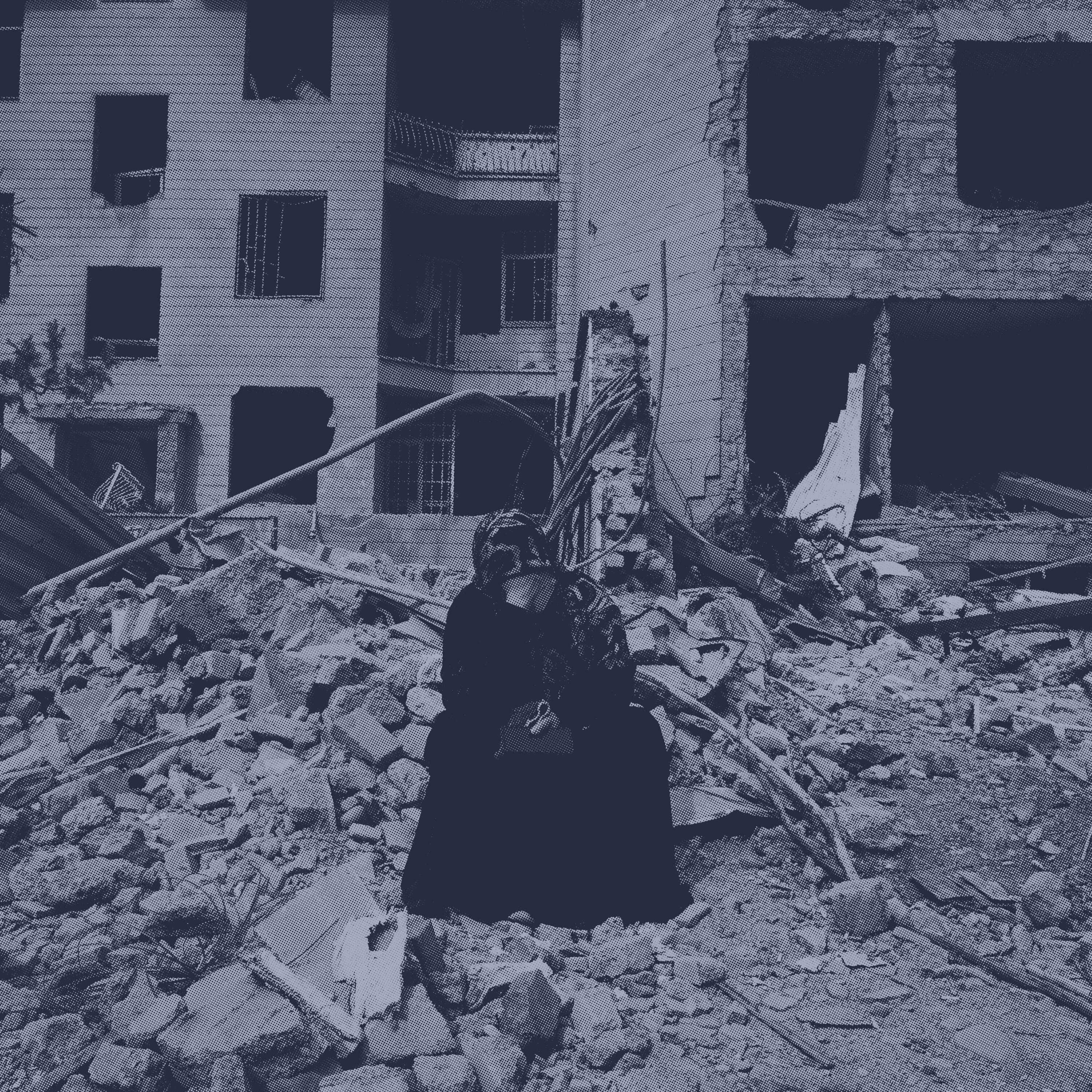
Overview of NPR Politics Podcast episode: These swing voters don’t like or understand the reason for the war in Iran
This episode summarizes focus-group conversations with 12 Michigan swing voters (people who voted for Joe Biden in 2020 and Donald Trump in 2024). The discussion centers on the U.S. military action in Iran, how voters understand — or don’t — the rationale for the conflict, and the political and economic consequences (especially rising gas prices). The hosts use these small, qualitative groups to surface the “why” behind poll numbers and to identify how persuadable voters are reacting ahead of the midterms.
Key takeaways
- Most participants dislike U.S. involvement in the Iran war and are worried it will expand; 9 of 12 in these groups expressed disapproval.
- Confusion is widespread: voters say the administration has given multiple, inconsistent reasons for military action, leaving many to invent explanations they see on social media.
- Economic consequences — especially higher gas prices and cuts to domestic programs — are a central source of anger and political risk for Republicans.
- Opinions about the U.S.–Israel relationship are mixed: some support it as a longstanding alliance, some are indifferent, and some are resentful and see the Iran action as fighting Israel’s wars.
- These are persuadable, non‑MAGA swing voters; their priorities remain domestic (gas, housing, childcare, groceries, border control).
Voter profile (from this session)
- Sample size: 12 voters (not statistically representative).
- Party ID: mostly independents; 2 Democrats/leaning Democratic; 2 Republicans.
- Common characteristics: politically movable, practical focus on pocketbook issues, skeptical of political messaging.
How voters frame the Iran war
- Dominant reaction: opposition to entering or escalating another foreign war.
- Economic lens: many view the war through the cost-to-domestic-services tradeoff — “we always have money for bombs but no money for infrastructure.”
- Lack of a single accepted rationale: voters reported hearing multiple explanations and are unclear why the U.S. is engaged (nuclear concerns, protecting Israel, personal enrichment theories, distraction/deflection from scandals).
Notable voter quotes
- “We always have money for bombs but no money for infrastructure.” — Brandon
- “Help our own citizens first… America first.” — Lindsay
- “I feel like he has an underlying motive…his son bought a lot of oil stock.” — Jasmine
- “I don’t think it’s necessary for them to be fighting somebody else’s war…for Israel.” — Susan
Views on messaging and trust
- High cynicism toward Trump’s explanations: voters report the president has offered many competing rationales and has not built public support beforehand.
- Unusual political dynamic: this war has not produced a “rally around the flag” effect for Trump in these groups.
- Voters doubt promises about how quickly the conflict will end and whether gas prices will drop as claimed.
Domestic priorities and what would win back support
- Top issues these voters want addressed: lower gas prices, housing affordability, childcare costs, grocery prices, border control.
- Political asks directed to the president (as imagined by participants): consult Congress, present a clear strategic vision, negotiate rather than escalate, limit or end troop commitments.
- Several participants indicated they might withhold support from Trump‑backed candidates in the midterms.
Political implications for midterms
- These swing voters are electorally important and could be decisive for Republicans maintaining control in Congress.
- If the conflict ends quickly and gas prices fall, political damage to Republicans could be limited. If it continues, ongoing economic pain and perceptions of misprioritization could hurt GOP prospects.
- Messaging clarity and a perceived domestic focus are key levers: voters want clear rationale, short timelines, and evidence that domestic needs come first.
Bottom line
Small-group interviews show that many persuadable voters disapprove of the Iran war, are confused about its justification, and prioritize domestic financial pressures (especially gas prices). Their distrust of the president’s messaging and emphasis on domestic needs make them a vulnerable bloc for Republicans in the midterms unless the conflict ends quickly and economic pain eases.