Overview of NPR Politics Podcast episode: The toll the war in Iran has on the U.S. economy
This episode (NPR Politics Podcast) examines how the recent escalation of war with Iran is affecting global oil markets and the U.S. economy. Hosts Myles Parks and Domenico Montanaro speak with NPR Chief Economics Correspondent Scott Horsley about rising gasoline and diesel prices, supply-chain effects (including fertilizer and trucking), labor-market softness, tariffs, stock-market volatility, and the political consequences for the Trump administration and Republican candidates ahead of the midterms.
Key takeaways
- Disruption to tanker traffic through the Strait of Hormuz (about 20% of global oil flows) has driven a sharp short-term spike in crude and gasoline prices.
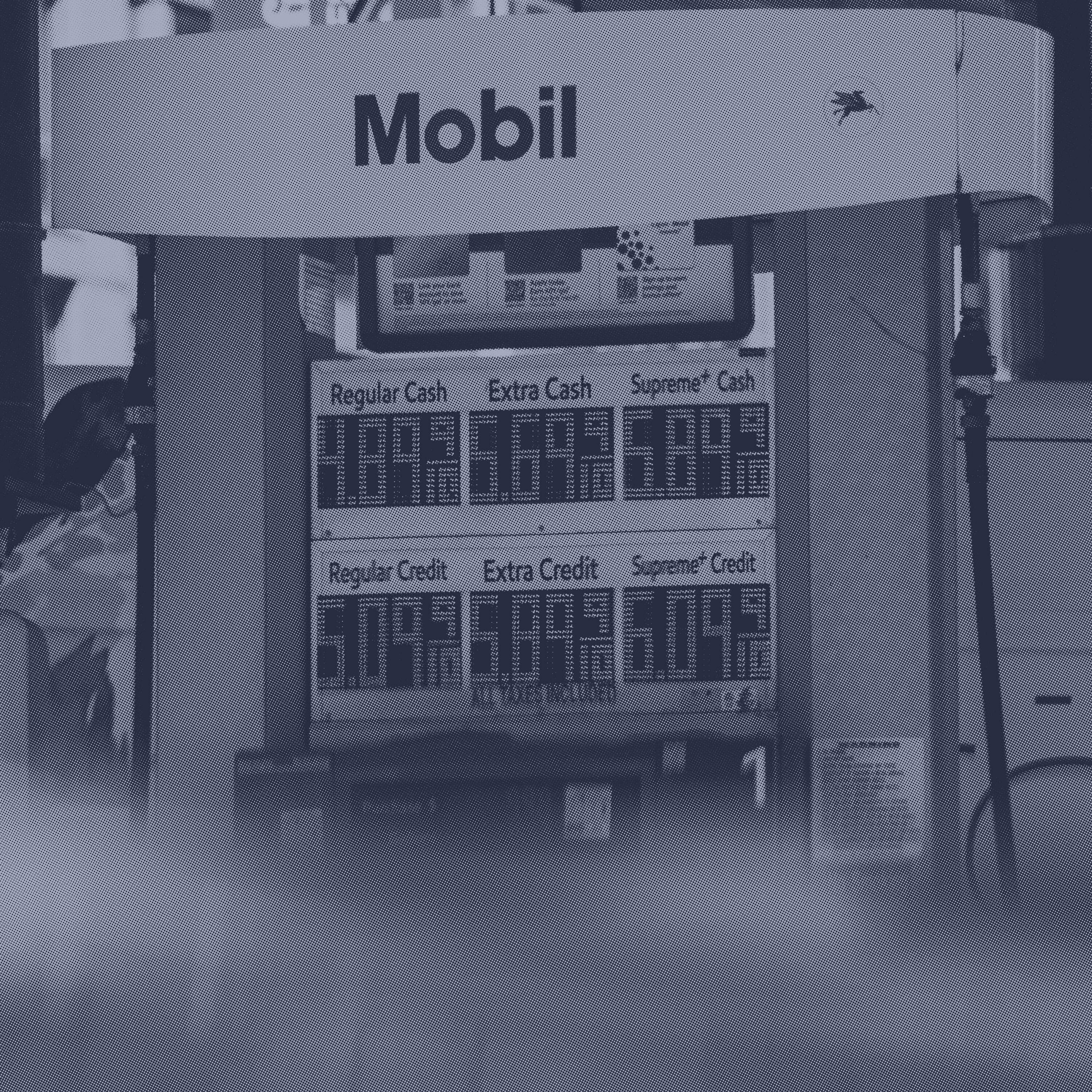
- U.S. gasoline prices have jumped roughly 60¢/gallon in under two weeks; average near $3.60/gal and could reach ~$3.80 if crude holds.
- Higher oil/diesel prices push inflation up and complicate the Fed’s policy response (weak labor market vs. rising prices).
- Agriculture and freight are especially vulnerable: diesel and fertilizer cost increases hit farmers entering planting season.
- Political fallout: the administration is vulnerable because it campaigned on lowering costs; public approval on economic handling has weakened.
- Some offsetting signs: overall CPI was +2.4% in February and egg prices have fallen ~42% year-over-year.
Topics discussed
Oil, gas and supply disruption
- Cause: Iran’s retaliation and related attacks that disrupted traffic through the Strait of Hormuz.
- Immediate effect: crude and retail gasoline prices rose quickly (60¢/gal in under two weeks).
- Storage/production issues: countries like Kuwait and Iraq lack onshore storage; tanker route disruptions have forced some producers to “shut in” output — restarting can take weeks.
Inflation and Fed policy
- If current oil/gas prices persist, inflation could rise above 3% by the end of next month.
- The Fed faces a tug-of-war: weak job growth suggests rate cuts would help, but rising inflation argues for keeping rates higher.
Supply chains, agriculture, trucking
- Diesel prices have risen even more than gasoline; this increases transport costs and therefore the price of many goods.
- Fertilizer flows are also affected through the region; U.S. farmers face higher input costs just before planting.
Tariffs and trade policy
- The Supreme Court struck down about half of the president’s tariff actions; the administration has replaced some using other statutes.
- Overall tariff levels are lower than right after the ruling but still higher than before the president returned to office.
- The Court of International Trade ordered refunds of about $166 billion collected from tariffs that were in place for much of the past year.
Labor market and jobs
- Signs of labor-market softening: five months of negative job reports during the current administration; February showed a net loss of 92,000 jobs.
- Weaker jobs reduce consumer capacity to absorb price increases, exacerbating political pain.
Markets and investor reaction
- Stocks have been volatile: roughly a ~2% decline in the S&P 500 over the past month, with sell-offs linked to fears of weaker consumer demand and higher corporate costs.
- Short-lived rallies occurred when markets hoped the conflict would end quickly.
Data & notable figures cited
- Strait of Hormuz: ~20% of world oil transit.
- Gasoline increase: roughly +60¢/gallon in under two weeks; average around $3.60/gal (possible near $3.80/gal).
- Inflation (Feb CPI): +2.4% year-over-year.
- Jobs: net loss of 92,000 jobs in February.
- Tariff refunds ordered: ~$166 billion.
- Egg prices: down ~42% year-over-year.
- S&P 500: down about 2% in the last month (as discussed).
- Polling: 35% of respondents give Trump a positive approval on economic handling (NPR/PBS/News Marist); 56% oppose the war; 8 in 10 Republicans still back the president on the conflict.
Political implications
- Messaging challenge: Administration says price increases are temporary and argues that the operation will reduce prices long-term (press secretary claimed Operation Epic Fury will lead to lower prices once objectives are met).
- Risk to Republicans in swing districts: the economy remains the top voter concern; higher gas prices and softened labor markets could harm incumbents even if the president is not on the ticket.
- Trump’s economic approval has weakened compared with his first term; tariffs and the war are visible policy levers voters can associate with the administration.
Notable quotes
- President Trump: “I knew oil prices would go up if I did this, and they’ve gone up probably less than I thought they'd go up…”
- White House Press Secretary Caroline Levitt: “Rest assured to the American people, the recent increase in oil and gas prices is temporary…This operation will result in lower gas and oil prices in the long term.”
Near-term outlook and practical effects
- Even if hostilities end quickly, oil and gasoline prices typically fall more slowly than they rise; production restarts and shipping normalization can take weeks.
- Expect continued pressure on inflation, freight costs, farm input prices, and potentially consumer spending if pump prices remain elevated.
- Political pressure on the administration and vulnerable Republican candidates likely to increase if costs persist.
Bottom line
The war in Iran has quickly translated into higher energy costs that ripple through transportation, agriculture, inflation, and markets, complicating the Federal Reserve’s choices and creating political risks for the administration and its party. Some positive economic patches exist (e.g., lower egg prices and a moderate February CPI), but sustained higher oil and diesel prices would meaningfully worsen inflation and consumer strain.