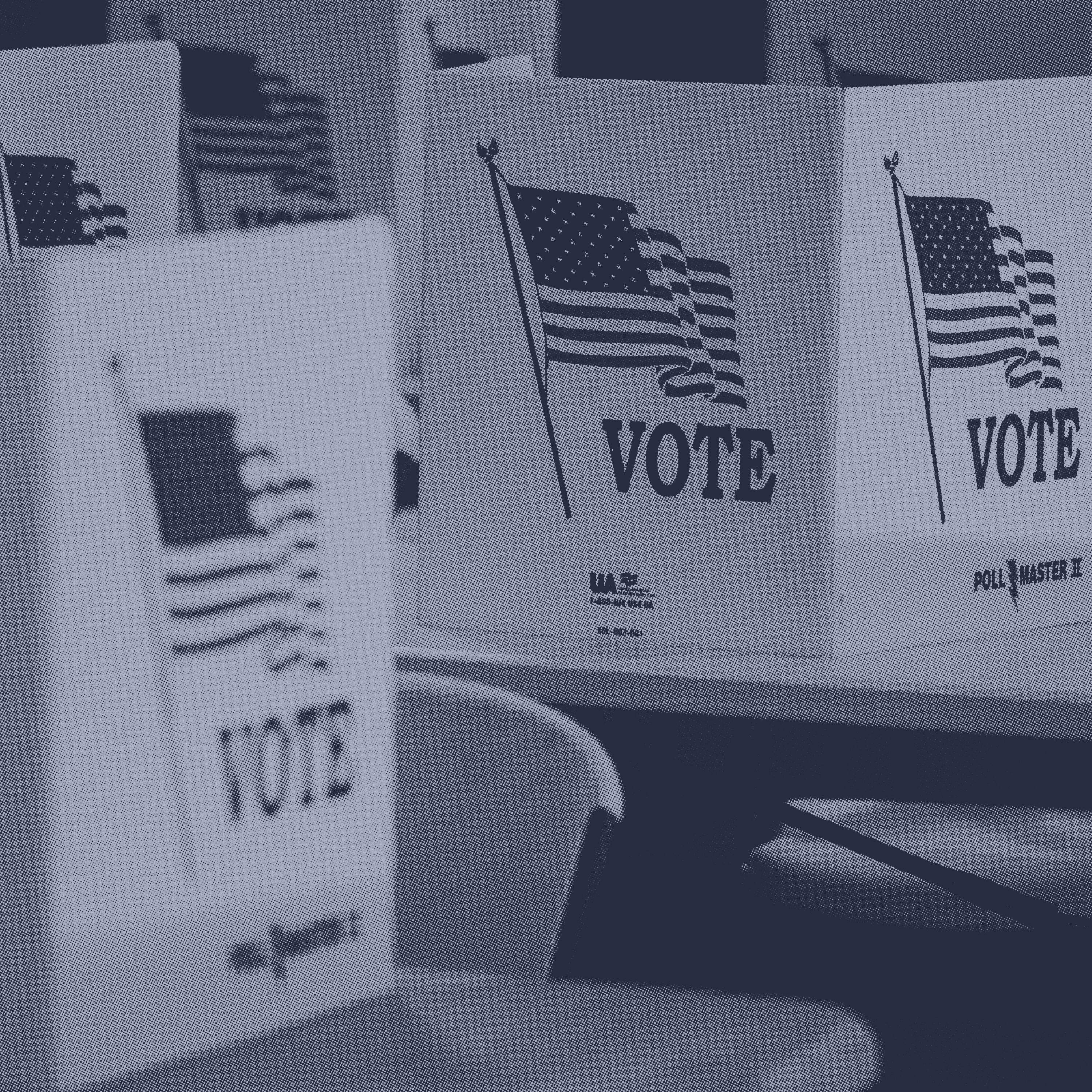
Overview of The midterm map is beginning to take shape (NPR Politics Podcast — Feb 9, 2026)
This episode is a midterms temperature check about six months out from the 2026 general election. Hosts Miles Parks, Stephen Fowler and Domenico Montanaro parse the Senate and House outlooks, a record wave of retirements and open seats, how redistricting and special elections have—or haven’t—moved the needle, and then run a playful “NFL-style draft” of the states and districts they’ll be watching most closely.
Key takeaways
- Senate: Democrats see only about ~10 truly competitive seats this cycle. They need a net gain of four seats to flip the Senate—an uphill task given the Republican majority and the current political environment.
- House: Republicans hold a razor-thin majority and can’t afford many losses—losing just a couple of seats would flip control. But the number of genuinely competitive House races is unusually small.
- Retirements/open seats: A record number of members (about 63 at the time of the episode) have announced they will not run again, with more Republicans among them. Open seats increase vulnerability for the party in power.
- Economy and turnout: Persistent concerns about affordability and weak economic sentiment are working against the president’s party; low enthusiasm among some conservative voters and stronger Democratic performance in special elections suggest a turnout edge for Democrats in many places.
- Redistricting: The big redistricting fights in 2025 largely produced a wash; most analysts do not expect them to be the decisive factor for House control in 2026 (with a caveat about possible Voting Rights Act rulings).
- Early primaries: Primaries arrive quickly; March 3 (Arkansas, Texas, North Carolina) is an early test.
Senate and House landscape
Senate
- Only about 10 Senate seats look genuinely competitive this cycle.
- Democrats need a net gain of four seats to win a majority (given the GOP margin and vice-presidential tiebreaker in the episode’s scenario).
- Democrats believe they have some pick-up opportunities because of targeted recruiting, but taking control is still a long shot.
House
- Republicans hold a narrow majority and can ill-afford losses—just a handful of seats could flip control.
- The number of competitive House districts has shrunk over time; a relatively small universe of districts (a few dozen) will likely decide control.
- Incumbency remains powerful; open seats are far more vulnerable and therefore consequential this cycle.
Retirements and open seats
- Roughly 63 members of Congress had announced they won’t seek reelection (a record, and many announcements came unusually early).
- More Republicans than Democrats were in the leaving cohort; notable long-time leaders were among those departing.
- Some incumbents are leaving to run for other offices (governor, Senate, etc.), increasing churn.
- Open seats are expensive for the party defending them and make partisan control more fragile.
Voter mood, economy and turnout
- Polling cited on the show: the president’s approval has been below 40% in NPR/PBS/Marist polling since November.
- A Pew finding highlighted poor economic sentiment: a large share rate the economy as fair/poor and many expect it to worsen—voters often hold the president’s party responsible in midterms.
- Special elections have been a strong signal of Democratic intensity: Democrats have won many recent special elections by double-digit margins in diverse geographies.
- High-turnout, higher-education, higher-income voters are increasingly Democratic; those are the electorates that decide special elections and midterms.
Redistricting and the map
- The big, widely anticipated redistricting fights of 2025 produced lots of litigation and map changes in several states—but overall effects have mostly balanced out.
- Current consensus: the 2025 redistricting wave is unlikely to be the decisive factor in House control in 2026.
- Possible wildcard: a Supreme Court ruling that weakens parts of the Voting Rights Act could reopen map changes in some states.
States and districts to watch — the “draft picks”
The hosts ran a segment naming the most consequential places to watch. Below are the picks and why they matter.
Iowa (Stephen’s #1)
- Competitive on multiple levels: possible Senate pick-up, governor’s race, and several competitive House districts (3 of 4 flagged).
- Shifts among agricultural, manufacturing and independent voters make Iowa a bellwether for how voters view GOP economic policies and Trump-era politics.
Texas (Domenico’s #2)
- Multiple competitive House seats (four flagged) including seats Democrats hold that they must defend.
- A consequential Senate primary is upcoming (John Cornyn’s seat as discussed).
- Localized culture/identity flashpoints (e.g., controversy around development and mosque in Plano and “anti‑Sharia” messaging) have become talk tracks in state races.
- Redistricting and how maps settle are also important here.
Michigan (Miles’ #3)
- Open Senate seat (Gary Peters retiring was discussed) and four competitive House races.
- Trump won Michigan in 2024, but Democrats hold statewide office and a key senator — it’s a test of whether Trump-era gains among certain voters persist.
- Republican nominee Mike Rogers (rematch factor) vs. a wide open Democratic primary could shape the November matchup.
North Carolina (Stephen’s #4)
- Early and important primary calendar state (one of the March 3 contests).
- Localized House primaries (in the Research Triangle and other areas) and continuing gerrymandering disputes make NC a close watch.
- Regional issues (storm recovery in western NC) could influence outcomes in localized, competitive districts.
Georgia (Domenico’s #5)
- Recent special elections showed surprisingly strong Democratic performance in several off-cycle contests, including flipping utility regulation seats.
- The state remains a high-stakes place for Senate and other statewide contests; special-election trends could foreshadow midterm turnout and enthusiasm dynamics.
Latino-focused district bucket (Miles’ final pick)
- Three competitive districts with higher-than-average Latino populations are on the watchlist: California’s 22nd, Arizona’s 6th, Colorado’s 8th.
- These seats shifted more Republican in 2024; they will be a barometer for Latino voter reactions to immigration policy and enforcement in 2026.
Notable insights from the episode
- “Midterms are usually a referendum on the president”—economic pessimism and presidential approval are central to the map.
- Open seats matter more than ever because most districts are noncompetitive; a handful of races will decide control.
- Special elections provide an early measure of which party has the organizational edge and momentum.
What to watch next
- Early primaries (March 3: Arkansas, Texas, North Carolina) — early signals and candidate selection.
- How the retirement/open-seat landscape develops (watch trackers & filing deadlines).
- Democratic performance in special elections vs. GOP turnout in presidential-off years.
- Any major Supreme Court or legal changes affecting redistricting or Voting Rights Act enforcement.
- State-level flashpoints (e.g., Texas messaging/primaries, Michigan Democratic primary, Georgia special-election fallout).
Quick reference / action items for readers
- If you follow control of Congress, focus on: ~10 competitive Senate seats and a few dozen House districts (the small universe that will decide the House).
- Track retirement/open-seat lists and primary winners — incumbents losing primaries or leaving office materially change the map.
- Watch turnout patterns and special-election margins for signals of enthusiasm advantages.
- Expect more coverage and state-specific deep dives (the hosts flagged a Texas episode coming up next).
Thanks for listening: hosts Miles Parks, Stephen Fowler and Domenico Montanaro.