Overview of NPR Politics Podcast — Senate Dems demand immigration enforcement reforms before funding DHS
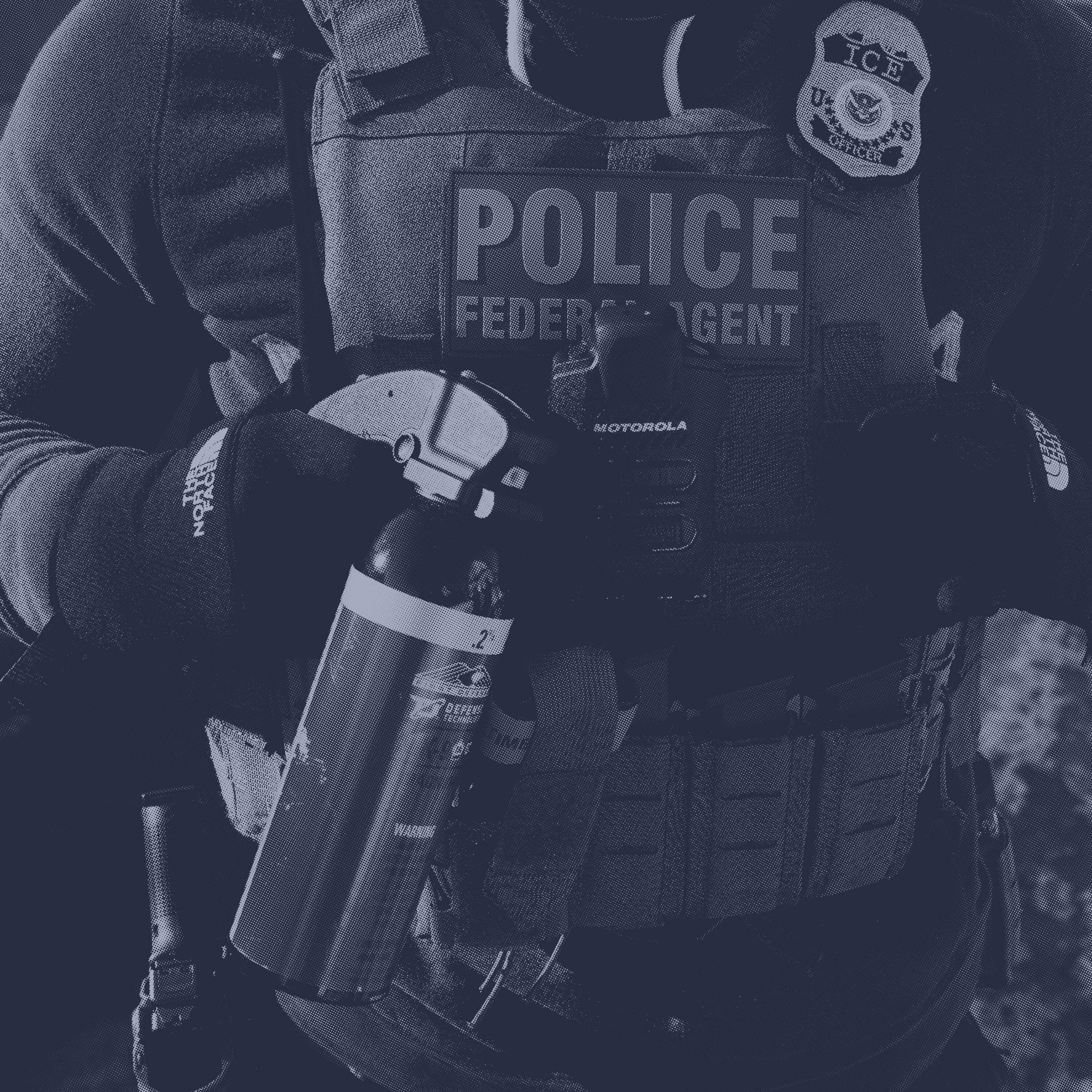
This episode (recorded Jan. 27) covers how the killing of a 37-year-old man by federal immigration officers in Minneapolis has prompted Senate Democrats to withhold votes to fund the Department of Homeland Security (DHS) unless tangible immigration-enforcement reforms are included. Hosts Tamara Keith, Sam Greenglass and Domenico Montanaro explain the policy asks, the procedural complications, the political calculus on both sides, and the likelihood of a partial government shutdown as the funding deadline approaches.
Key points and main takeaways
- Senate Democrats are refusing to support a DHS funding measure unless it contains significant reforms to ICE/CBP tactics following a high-profile fatal shooting in Minneapolis.
- Requested reforms include: warrants for immigration arrests, banning officers from concealing their identities, mandatory body cameras, and bans on raids at churches, hospitals and schools.
- Democrats are using DHS funding as leverage because appropriations are one of their few tools to pressure the administration; a vote against DHS funding in the Senate could block a larger omnibus package.
- Republicans currently resist separating DHS from the other funding bills; the House already sent multiple appropriations bills to the Senate as a mega-package, complicating any effort to isolate DHS.
- Even if funding is paused, the immediate operational impact on ICE is limited because Congress approved large sums for immigration enforcement last year (referenced as ~$75 billion over four years); Democrats are focused more on policy concessions than on cutting money.
- Trust between Democrats and the White House is low; promises of fixes outside the appropriations process (executive orders, standalone bills) have not satisfied Democrats.
- A partial government shutdown is possible if neither side yields—political blame and risks are real for both parties, and vital programs (FEMA, TSA, etc.) are on the line.
Background & context
- Trigger: the killing of a 37-year-old (named in the episode) by federal immigration officers in Minneapolis renewed scrutiny of enforcement tactics and reignited demands for oversight.
- Funding timeline: the government funding deadline is at the end of the month (the podcast was recorded Jan. 27), and House is in recess, limiting fast fixes that require House sign-off.
- Recent precedent: last year’s record-long 43-day shutdown is a political reference point that shapes lawmakers’ calculations now.
- Earlier negotiations over other priorities (notably Obamacare premium support) had already faltered, in part due to disputes over abortion, leaving this week dominated by immigration-enforcement debate.
What Democrats are asking for (examples)
- Mandated judicial warrants for certain immigration arrests.
- Prohibitions on officers concealing their identity (e.g., masks or unmarked gear).
- Required body cameras and clearer oversight mechanisms.
- Prohibitions on immigration raids in sensitive locations (churches, hospitals, schools).
- More broadly: binding policy changes tied to DHS funding rather than mere promises.
Republican responses and options
- Republican leaders have so far refused to pull DHS out of the omnibus/mega package; separating DHS would require returning to the House and more logistical steps.
- Some Republicans have acknowledged concerns about enforcement tactics and floated alternatives outside the appropriations process: executive actions, a standalone immigration bill, or administrative changes. Democrats view those promises as insufficient unless codified and enforceable.
- Leadership changes in enforcement visibility were noted (named officials shifted in prominence), but that alone has not quelled Democratic demands.
Political calculations & public opinion
- Appropriations are a core point of leverage—budgets signal priorities—so fights often play out here.
- Public opinion nuance: many voters favor deporting people unlawfully present (especially those with criminal records), but are uncomfortable with harsh or secretive enforcement tactics and want oversight.
- Democrats hope using this moment will resonate ahead of midterms by spotlighting enforcement tactics; Republicans risk losing a previously favorable issue if public focus shifts to misconduct claims.
- The blame game in a shutdown would be central: Democrats must weigh the policy gains against the political costs of a lapse in government funding.
Likely outcomes / near-term scenarios
- If Republicans refuse to separate DHS and Democrats hold their line, a partial lapse in DHS funding (and broader appropriation effects) is possible.
- Alternatively, some Democrats could accept limited concessions or symbolic promises (as happened in previous shutdown-end deals), allowing funding to pass—outcome depends on who blinks first.
- Watch for: whether Senate GOP leaders agree to split DHS from the package; any legislative text added that enshrines enforcement reforms; and whether the White House offers concrete, verifiable changes.
Notable quotes and framing from the episode
- “Budgets are essentially a statement of priorities.” — used to explain why appropriations fights are high-leverage.
- The hosts repeatedly emphasized “trust” (or lack thereof) between congressional Democrats and the White House as central to whether concessions outside of statute would suffice.
What to watch next (actionable items)
- Whether Senate GOP leadership will separate the DHS bill from the omnibus/mega package.
- Any introduced amendments or statutory language codifying the requested ICE/CBP reforms.
- Statements or executive actions from the White House that are specific, time-bound, and verifiable.
- Roll-call votes in the Senate—how many Democrats remain united—and any defections that could end a stalemate.
- Coverage of immediate operational impacts on FEMA, TSA and other DHS components if funding lapses.
This summary captures the policy demands, procedural hurdles, political risks, and likely paths forward as explained by NPR’s hosts during the episode.