Overview of the NPR Politics Podcast episode: "Is there a link between political violence and leaders’ rhetoric?"
This episode examines a recent spike in politically motivated attacks and asks what role leaders’ words — and social media platforms — play in creating a permissive atmosphere for violence. NPR reporters Tamara Keith, Odette Youssef and Barbara Sprunt review three recent attacks, discuss trends in antisemitic and anti-Muslim violence, and analyze how political rhetoric, policy and weakened content moderation may be feeding a cycle of radicalization and intimidation.
Incidents discussed
- Three targeted attacks in about 10 days:
- An attempted attack on anti-Muslim protesters outside the New York City mayor’s mansion. Two young men charged with providing material support to ISIS; reportedly said they were inspired by ISIS.
- A shooting at Old Dominion University (Virginia) where the shooter reportedly yelled “Allahu Akbar”; he was killed at the scene and had previously pleaded guilty to providing material support to ISIS.
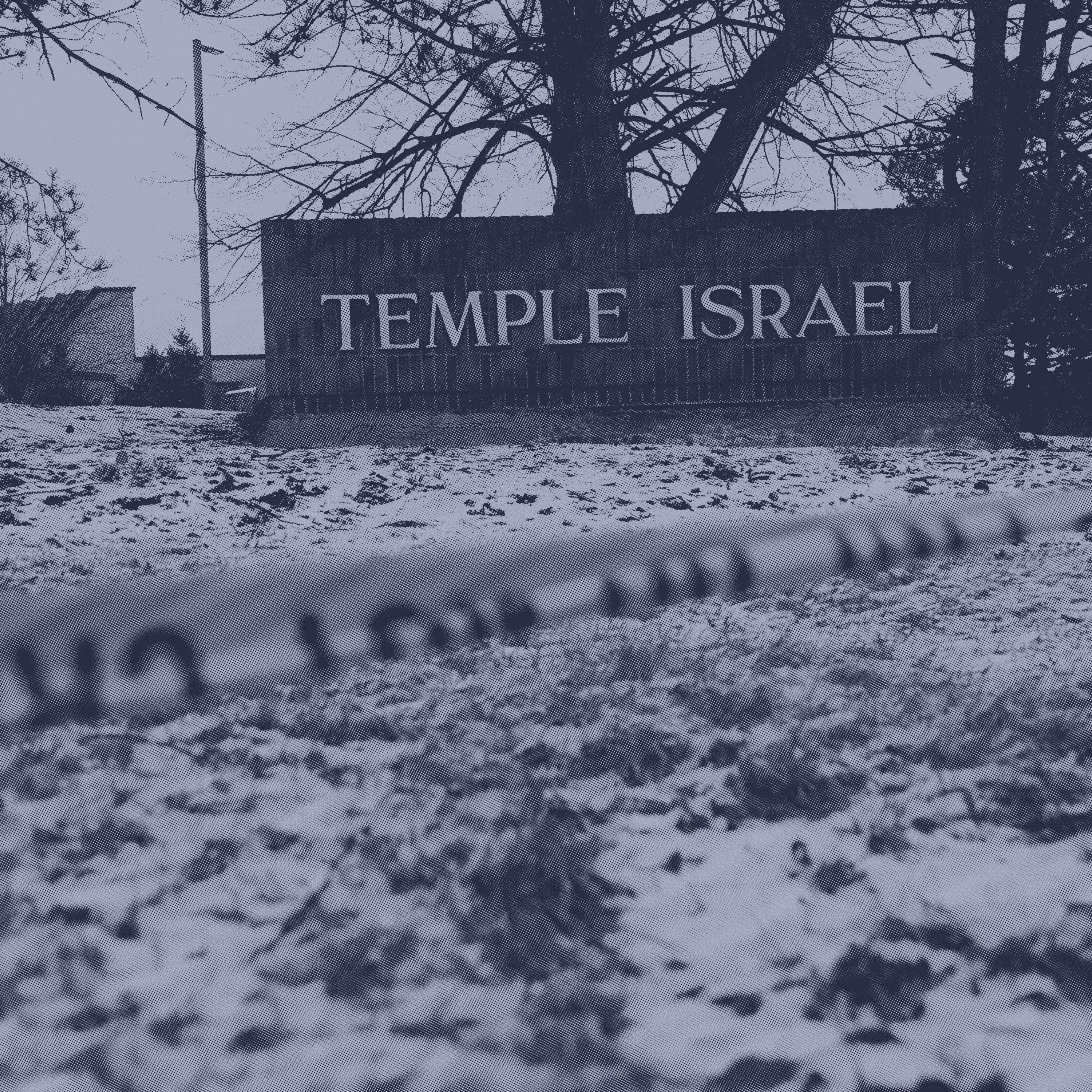
- An attack on Temple Israel (a synagogue) in a Detroit suburb: a naturalized Lebanese-American crashed into the building and later died by suicide. Investigators had not publicly confirmed motive; reporting noted the attacker had family members killed in an Israeli strike in Lebanon and one reportedly a Hezbollah commander.
Drivers of the recent violence (as discussed)
- International conflict and regional tensions: reporters note the broader Middle East conflict has raised threat concerns for Jewish communities and may have been a factor in at least one attack, though each incident needs to be evaluated on its own facts.
- Long-term rise in domestic extremism: interviewees and guests emphasize this is not new — antisemitic and white nationalist violence has been increasing for years (e.g., Pittsburgh Tree of Life, Charlottesville).
- Online propaganda and recruitment: extremist groups overseas are exploiting current conflicts to produce propaganda aimed at inciting attacks in the U.S.
- Weakening content moderation: tech platforms have pulled back on content moderation in the past year, allowing extremist messaging to spread more widely.
Role of political leaders and rhetoric
- Examples of inflammatory rhetoric from elected officials:
- Rep. Andy Ogles (R-TN) posted “Muslims don’t belong in American society. Pluralism is a lie.” Other Republicans either amplified the message or stayed silent.
- Speaker Mike Johnson’s response about “energy in the country” over Sharia law was criticized as echoing the “Sharia panic” trope.
- Policy reflections:
- Politicized actions (e.g., travel bans and rhetoric singling out Muslim communities) translate into real-world consequences and feed narratives extremists use to recruit.
- Political incentives: interviewees argue the current political playbook — “never apologize” and double down — encourages amplification rather than decency or restraint.
Social media, content moderation, and data points
- Secure Community Network (Michael Masters): since the recent conflict began, threats against the Jewish community reportedly rose ~95%.
- Platforms are hosting extremist propaganda and threats more often due to decreased moderation resources and political pressure to curb moderation.
- AI-generated imagery also contributes to a more toxic online environment.
Historical context and contrasts
- Post-9/11 example: President George W. Bush visited a mosque and explicitly pushed back against collective targeting of Muslim Americans — cited as a contrast to some contemporary political leaders’ responses.
- Earlier accountability example: Rep. Steve King (2019) faced bipartisan pushback and lost committee assignments after white supremacist-friendly comments — contrasted with more muted or permissive responses within today’s GOP conference.
Main takeaways
- Multiple factors are converging: international conflict, persistent domestic extremism, toxic political rhetoric, and looser online moderation together raise the risk environment for targeted violence.
- Rhetoric matters: dehumanizing language from public officials and policy that singles out religious or ethnic groups can legitimize threats and provide propaganda fodder for extremist organizations.
- Silence can be complicity: broad inaction or failure to clearly condemn bigotry by political leaders contributes to normalization of hateful rhetoric.
- Each violent incident must be investigated on its own facts, but the broader context increases vulnerability and fear among targeted communities.
Recommendations / action items highlighted or implied
- For political leaders: publicly condemn violence and bigotry; avoid language that demonizes entire faiths or communities; model restraint and inclusion (the Bush mosque visit cited as an example).
- For tech platforms: restore and prioritize content moderation and counter-propaganda efforts; allocate resources to curb extremist recruitment and threats.
- For law enforcement and community groups: continue threat monitoring, security guidance to vulnerable institutions (e.g., synagogues, mosques), and coordination with federal partners.
- For the public: recognize the dangers of collective punishment narratives and avoid equating religious or ethnic communities with actions of foreign governments.
Notable quotes and lines
- Eric Fingerhut (Jewish Federations of North America): “This is not new … this has been going on now for years in our community.”
- NPR hosts’ framing: political rhetoric + social media permissiveness = a “toxic stew” that heightens threats and undermines democratic norms.
Bottom line
The episode argues that recent violent incidents occur against a backdrop of long-term domestic extremism, corrosive political rhetoric, and looser online moderation. While not every attack can be directly tied to leaders’ speech or to overseas conflicts, the combination of those forces increases the risk of targeted violence and makes clear, accountable leadership and stronger platform enforcement urgent priorities.