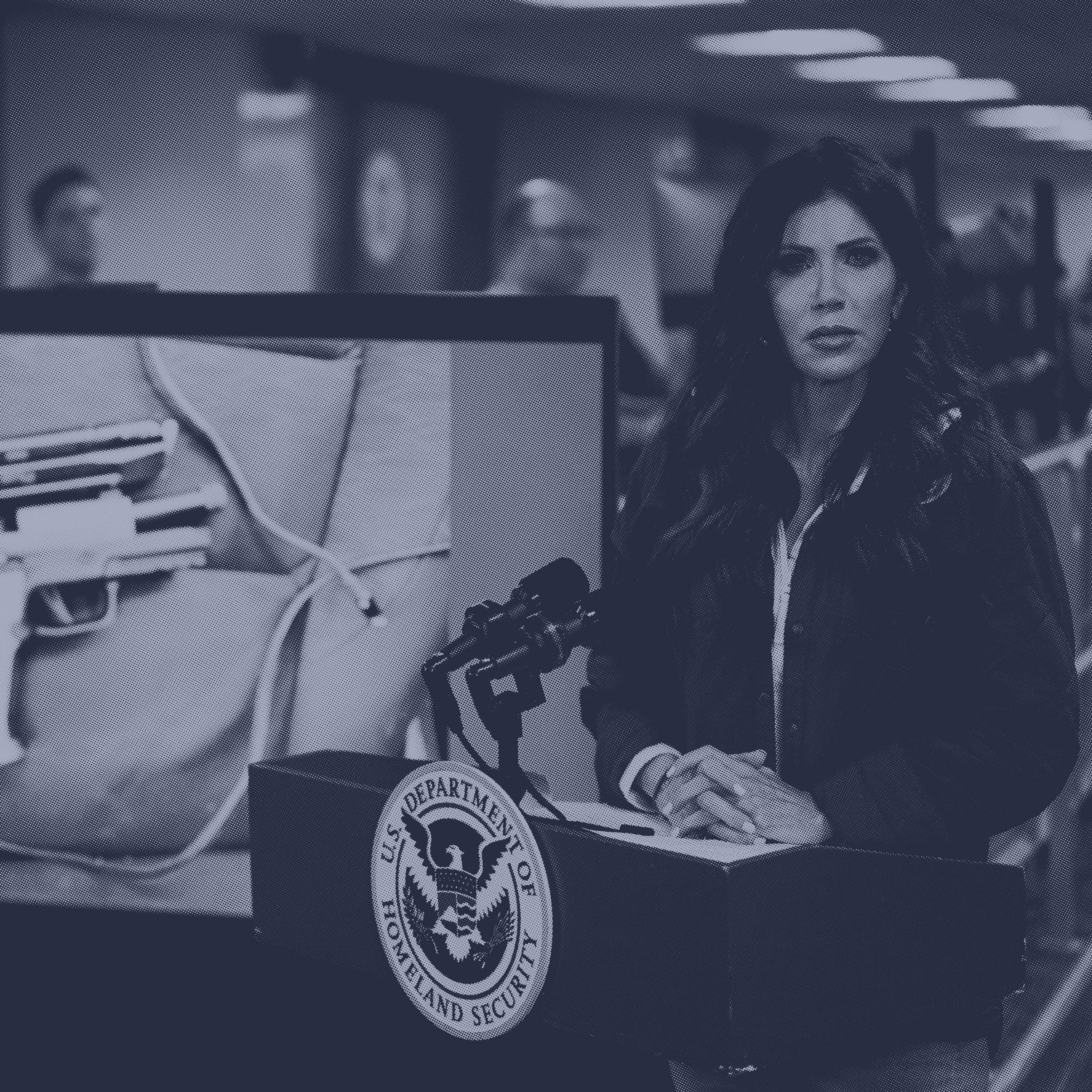
Overview of NPR Politics Podcast — "Internal review contradicts Trump administration on Alex Pretti shooting"
This episode (Jan. 28, 2026) examines an initial internal DHS/Customs and Border Protection (CBP) review of the shooting death of Alex Pretti in Minneapolis and how its findings clash with the Trump administration’s early public statements. The hosts also discuss the political fallout, upcoming congressional oversight, broader immigration-policy moves from the administration, impacts on naturalization, and a related violent incident involving Rep. Ilhan Omar.
Key findings from the DHS/CBP initial internal review
- The review was produced quickly because DHS labeled Pretti’s death a death in custody and had to report to Congress.
- Based on body‑worn camera footage and initial agent interviews, the review says:
- Border Patrol agents first confronted two women who were blowing whistles; agents ordered/physically moved them out of the roadway.
- After that, agents encountered Alex Pretti. A struggle to detain him ensued.
- During the struggle, agents shouted that Pretti had a gun; about five seconds later the first agent fired; another agent also shot.
- The review does not describe any prior “brandishing” of a weapon or clear intent to attack officers before agents engaged him.
- Pretti possessed a permit to carry the firearm.
- The review is an agency internal review (not an independent investigation) and notes that additional information could emerge.
How the review contradicted the administration’s early narrative
- Homeland Security Secretary Kristi Noem and other top officials publicly characterized Pretti as a domestic terrorist who “came with a weapon and dozens of rounds of ammunition” and “attacked those officers.”
- The internal review’s account (no prior brandishing, encounter following removal of bystanders, quick escalation during a struggle) does not support the administration’s immediate framing of premeditated attack/terrorism.
- The disconnect prompted questions about accuracy and credibility of the administration’s initial statements.
Political fallout and oversight
- Bipartisan criticism of DHS leadership followed. Some Republicans (e.g., Sen. Thom Tillis, Sen. Lisa Murkowski) expressed disapproval of Noem’s handling.
- Rapid congressional oversight: heads of CBP, ICE, and USCIS were scheduled for House and Senate oversight hearings within roughly two weeks; Noem was called to the Senate Judiciary Committee in about five weeks.
- The situation has intensified intra‑Republican tensions over immigration messaging and enforcement tactics.
Administration response and personnel moves
- President Trump criticized Greg Bovino (portrayed as a face of enforcement) and deployed Tom Homan, the White House border czar, to Minneapolis.
- Greg Bovino was moved out of Minneapolis; however, there’s no sign of a major policy shift — core deportation and enforcement priorities (including tight controls on legal migration) remain in place.
- Stephen Miller (deputy chief of staff, influential on immigration policy) and other enforcement priorities continue to steer policy.
Broader immigration-policy context
- The administration has been tightening legal immigration pathways:
- Tougher citizenship tests and increased scrutiny of applications.
- Pausing portions of asylum, reducing refugee admissions, canceling Temporary Protected Status for certain groups.
- Administration rhetoric and some stated interest in denaturalization (a difficult legal process with a high bar).
- Reported operational impacts: roughly 39 countries’ naturalization applications are stalled; anecdotal reports of canceled naturalization ceremonies and slower reviews.
Naturalization stories and reactions
- New citizens described relief, safety, and eagerness to vote.
- Many are motivated to naturalize because of concern about the present immigration climate and possible limits on legal status going forward.
- Yet, applicants face more scrutiny and slower processing under current DHS/USCIS practice.
Related violent incident and environment of rhetoric
- Rep. Ilhan Omar was targeted at a town hall when a man sprayed her with a substance from a syringe; the suspect was detained and faces possible assault charges.
- Hosts flagged the administration’s harsh rhetoric on immigrants and political opponents as contributing to a toxic environment that can radicalize fringe actors.
Notable quotes
- Kristi Noem: “This individual…came with weapons and ammunition to stop a law enforcement operation…committed an act of domestic terrorism.” (Statement later at odds with the internal review.)
- From the review: agents shouted that Pretti had a gun during a struggle and shots were fired roughly five seconds later (detail summarized from the report).
Main takeaways and what to watch next
- The CBP internal review undercuts the administration’s immediate public characterization of the incident; trust and credibility issues for DHS leadership are now in focus.
- Expect aggressive congressional oversight in short order (CBP, ICE, USCIS leadership and later Noem in Senate Judiciary).
- Watch for:
- Any independent investigations or additional evidence (forensic, witness statements) that confirm or contradict the internal review.
- Potential personnel changes at DHS or DOJ responses.
- Continued enforcement actions and policy moves (deportations, refugee/asylum/TPS changes) that affect both undocumented migrants and legal immigrants.
- Legal and political fallout from heightened rhetoric, especially as it intersects with public safety and extremist acts.
Implications for listeners
- The episode frames this shooting as more than a single law‑enforcement incident: it’s a lens on messaging, oversight, and the wider reshaping of U.S. immigration policy under the administration. The coming weeks’ hearings and any independent inquiries will be important for clarifying facts and accountability.