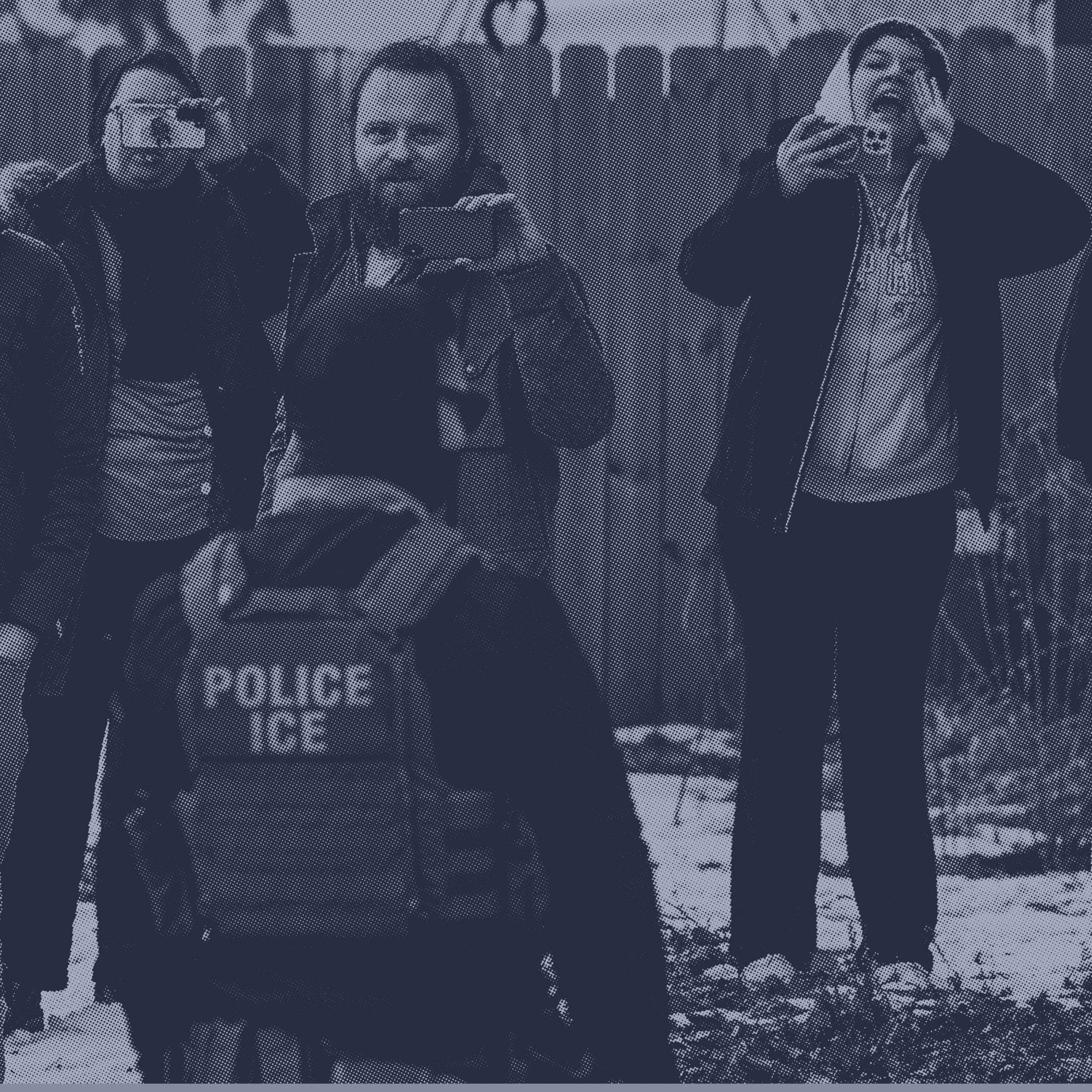
Overview of NPR Politics Podcast — "ICE is keeping tabs on American citizens"
This episode (hosted by Miles Parks with reporters Kat Lonsdorff and Jude Jaffe-Block) explains NPR’s reporting on how the Department of Homeland Security (DHS) and its components—especially ICE—are using a growing array of surveillance tools and cross‑agency data to track people in the U.S., including U.S. citizens and political observers. The show mixes reporting from field cases, examples of online targeting, and a discussion of the legal and civil‑liberties questions those tactics raise.
Key takeaways
- DHS/ICE are increasingly able to combine multiple data sources and technologies (license‑plate readers, facial recognition, location data, commercial and government databases) to locate and identify people.
- Reported targets include not only people suspected of immigration violations but also U.S. citizens who observe, record, or criticize ICE activities—raising free speech and anonymity concerns.
- Administrative subpoenas have been used to demand tech companies unmask anonymous social‑media critics; when challenged in court, DHS has often withdrawn such subpoenas.
- There is limited public transparency about which technologies and datasets DHS buys and how field agents access that information; reporters are piecing together details from contracts, court testimony, FOIA releases and agency disclosures about AI use.
- The legal boundaries for many of these surveillance practices remain unsettled and are increasingly being decided in court.
Notable examples & reporting highlights
- Minneapolis: “Emily” (first name only) says an ICE vehicle photographed her license plate while she observed ICE activity; agents then recited her name and home address, creating a chilling, personal intimidation effect.
- Maine: A video shows agents telling a civilian they have “a nice little database” and labelling her a “domestic terrorist” while photographing her face and license plate; DHS publicly denies maintaining such a database.
- Online targeting: Individuals running or posting to accounts critical of ICE (example: Sherman Austin, operator of a Stop ICE account) received notices from platforms that the government requested their data via administrative subpoena; some subpoenas were later withdrawn after legal pushback.
Tools, data sources, and tactics described
- License‑plate readers (ALPRs): Widespread cameras capture plate data on large populations; useful for law enforcement but critics call it mass surveillance.
- Facial recognition and location data: Used to identify and track people at events or in public.
- Palantir app (described in court testimony as looking like Google Maps): Aggregates multiple data streams to show likely addresses and locations of people of interest; reportedly pulls some federal agency data.
- Cross‑agency and commercial data sharing: Examples include state or federal program records (e.g., Medicaid), commercial databases, and other government datasets being combined to locate individuals.
- Administrative subpoenas to tech companies: DHS can request account and identifying information without a judge, used here primarily to unmask online critics of ICE.
Legal, transparency, and accountability issues
- DHS denies certain claims (e.g., a centralized “database”), but reporters find evidence of significant data consolidation and field access to aggregated sources.
- Transparency is limited: journalists rely on procurement records, court testimony, FOIA releases, and DHS’s AI inventory (which provides some visibility into tools that involve AI) to understand capabilities.
- Administrative subpoenas: Historically used for serious crimes, but their expanded use to request information on critics raises legal and First Amendment concerns. Courts so far have seen DHS withdraw subpoenas when challenged.
- The law is playing catch‑up to fast‑changing tech; many disputes are evolving through litigation that will shape future boundaries.
Impact on people, speech, and behavior
- Observers and protesters report fear, intimidation, and changed behavior (e.g., avoiding using personal devices while traveling, altering parking and travel plans).
- The surveillance chill affects the exercise of First Amendment rights, including anonymous political speech and the ability to record government activity.
- Even if enforcement presence ebbs in a given place, persistent data collection and online targeting mean surveillance can continue without visible agents on the ground.
What to watch / recommendations
- Ongoing lawsuits: ACLU litigation in Minnesota and litigation in Maine (brought by Protect Democracy and others) argue First Amendment violations and are worth following for rulings that may set precedents.
- Platform notices: People active online should check platform email notices reporting government data requests and seek counsel if privacy or subpoena notices appear.
- Advocacy and oversight: Calls for greater transparency about DHS contracts, data‑sharing agreements, and internal inventories of AI tools are likely to continue; public and congressional oversight will shape future practices.
Notable quotes from the episode
- From “Emily”: the agents’ conduct “was not subtle… [they were] in effect saying, we see you. We can get to you whenever we want.”
- From the viral Maine video: an agent: “We have a nice little database” and “now you’re considered a domestic terrorist.”
- Legal point emphasized by reporters: anonymity is a protected element of political speech, and broad surveillance increasingly erodes that protection.
— End of summary —