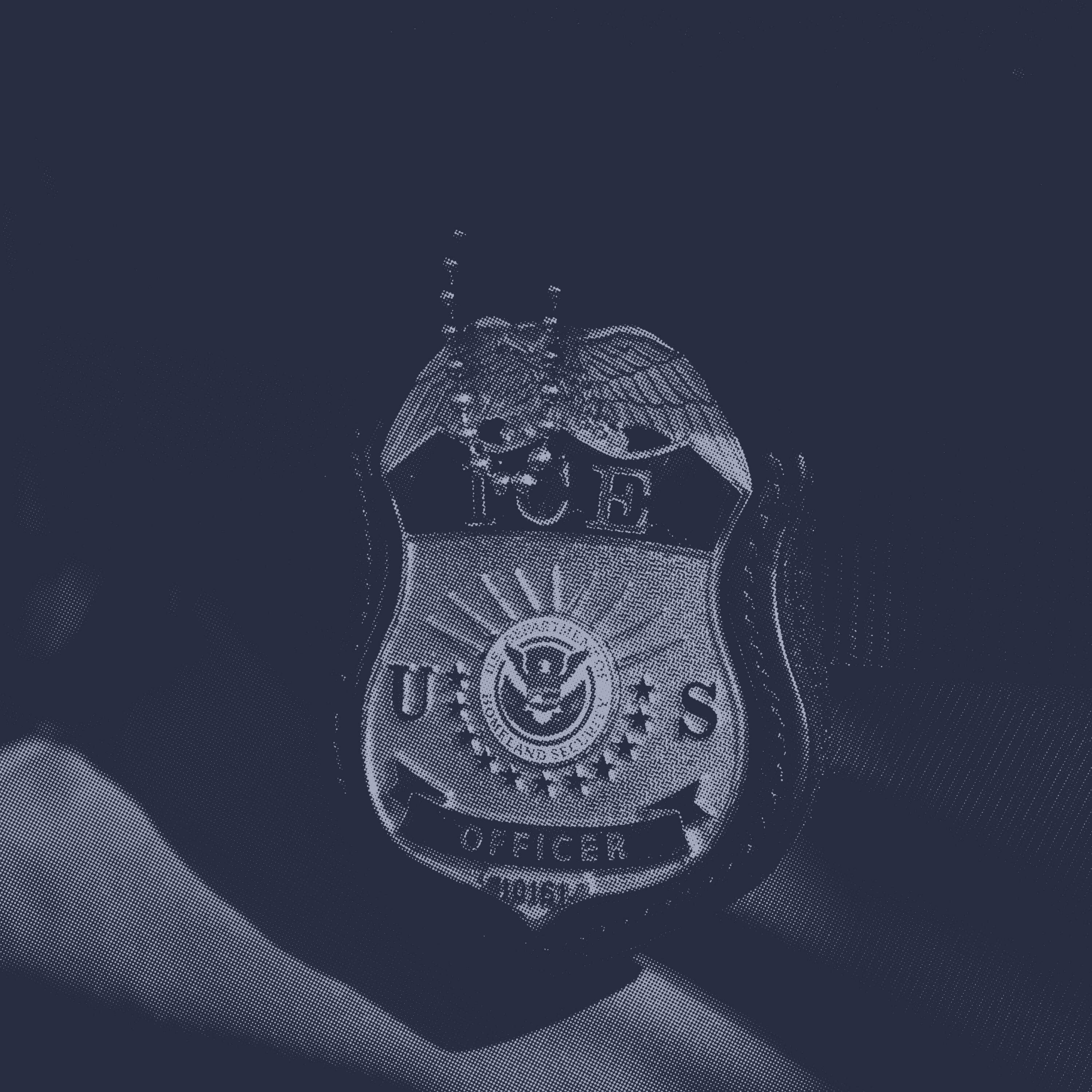
Overview of NPR Politics Podcast — "Hundreds Of Immigrants Arrested In Chicago Lack Criminal Records"
This episode of the NPR Politics Podcast (recorded Nov 19, 2025) focuses on recent aggressive immigration-enforcement operations carried out under the Trump administration — particularly in Chicago and, more recently, Charlotte, N.C. Reporters detail tactics used by Border Patrol and ICE, highlight data obtained through reporting and litigation, and discuss the legal, community, and political implications of large-scale interior immigration arrests.
Key takeaways
- A Justice Department list of 614 people arrested during Operation Midway Blitz in Chicago shows only 16 (2.6%) had any criminal record; 4 had convictions and none of those convictions were for murder or rape. About 97% of that sample had no criminal record.
- DHS has claimed thousands (more than 5,000) were arrested in Chicago and asserted more than 500,000 deportations since January, but has not provided public evidence to substantiate those tallies. Independent removal-rate analysis through June (~7,500 removals/week) does not support the 500,000 figure.
- Border Patrol — not just ICE — is being used for interior enforcement in visible, militarized operations (e.g., helicopters, masked, heavily armed agents), including operations dubbed “Operation Midway Blitz” in Chicago and “Operation Charlotte’s Web” in Charlotte.
- These tactics have created widespread fear across immigrant communities (documented, undocumented, and naturalized), disrupted schools and workplaces (report of ~30,000 students absent in Charlotte schools), and provoked local pushback (protests, volunteer patrols, documentation efforts).
- There are concerns about transparency and accountability: reporters relied on on-the-ground interviews, community documentation, ProPublica reporting, and a DOJ-produced list tied to litigation to establish facts otherwise unreported by DHS.
- Political implications are mixed: the broad enforcement program may satisfy the president’s base but is unpopular among independents and Democrats; it could be used by Democrats in targeted midterm districts, though national messaging for Democrats may lean toward affordability issues.
Evidence & numbers reported
- DOJ list (from a lawsuit) — 614 names from Operation Midway Blitz:
- 16 people (2.6%) had some criminal record;
- 4 had convictions; 12 had arrests only;
- none of the documented convictions related to murder or rape in this list.
- DHS claims (unverified by DHS): >5,000 arrested in Chicago; >500,000 deportations since January.
- Independent analysis (Deportation Data Project, UC Berkeley/UCLA): ~7,500 removals per week through June — inconsistent with a 500,000-year-to-date figure.
- ProPublica reporting: at least 170 U.S. citizens were detained or arrested in related operations.
- Local impact example: roughly 30,000 students reported absent in Charlotte-Mecklenburg schools following raids.
Tactics, leadership, and operational style
- High‑visibility, militarized tactics: helicopters, tactical teams rappelling into buildings, dramatic social-media videos produced by the administration.
- Border Patrol playing an atypically central role in interior enforcement operations; Border Patrol commander Greg Bovino is cited as a key figure running both Chicago and Charlotte operations.
- Operations appear designed both to remove people and to produce public, media-centric show-of-force moments.
Community impacts and civil‑liberties concerns
- Fear and disruption: immigrants (including green-card holders and visa holders) report staying home, changing routines, and avoiding schools or work due to fear of arrests.
- Erosion of trust in local policing: officials warn these tactics could undermine cooperation between immigrant communities and local law enforcement, potentially harming public safety and community policing efforts.
- Civic-suppression concerns: critics argue the visible presence of federal agents in majority-minority areas could intimidate voters near polling places.
- Grassroots response: protests, volunteer neighborhood alert networks, and systematic documentation (videos, lists) to identify agents and support legal challenges.
Political context and implications
- Messaging: the administration emphasizes removing “the worst of the worst,” but DOJ data in this episode’s reporting undercuts that nationwide framing for the sampled arrests.
- Popular support dynamics: narrowly targeted deportations of violent criminals remain relatively popular; broad interior enforcement appears unpopular among the broader electorate outside the core base.
- Election effects: the issue may be leveraged in targeted midterm races where local communities are directly affected, though national Democratic strategy may prioritize economic issues in 2026.
- Longer-term consequences: experts and former ICE officials worry the tactics could leave institutional and community trust damage that persists beyond the current administration.
Reporting methods & transparency issues
- Journalists used on-the-ground interviews, community-sourced documentation, and legal discovery (the DOJ list produced in litigation) to build a clearer picture because DHS has not provided comprehensive supporting data for its public claims.
- NPR and other outlets continue to press for better transparency on arrest and deportation tallies, and on the identity and status of those being detained.
What to watch next
- Whether DHS releases detailed, verifiable arrest and removal data for Chicago and nationally to support its claims.
- Deployment timeline and effects after the hiring/training of tens of thousands of new enforcement personnel funded by recent legislation.
- Legal outcomes of lawsuits alleging violations (including potential impacts of the DOJ list and consent-decree issues).
- Local political reactions and any use of the issue in midterm campaigns, especially in districts with large immigrant communities.
Notable quotes from the episode
- “97% of the people in the list do not have a criminal record.” — NPR reporting summary of the DOJ list.
- “The tactics we saw federal agents use in Chicago, we haven't seen anywhere else.” — description of the unprecedented operational style.
- Reporting characterization: the administration often creates “made‑for‑TV moments” to showcase enforcement actions.
Actionable takeaway for listeners: the episode emphasizes the need to scrutinize official enforcement numbers and to watch for more transparency from DHS, forthcoming legal developments, and the local/community impacts of interior immigration operations.