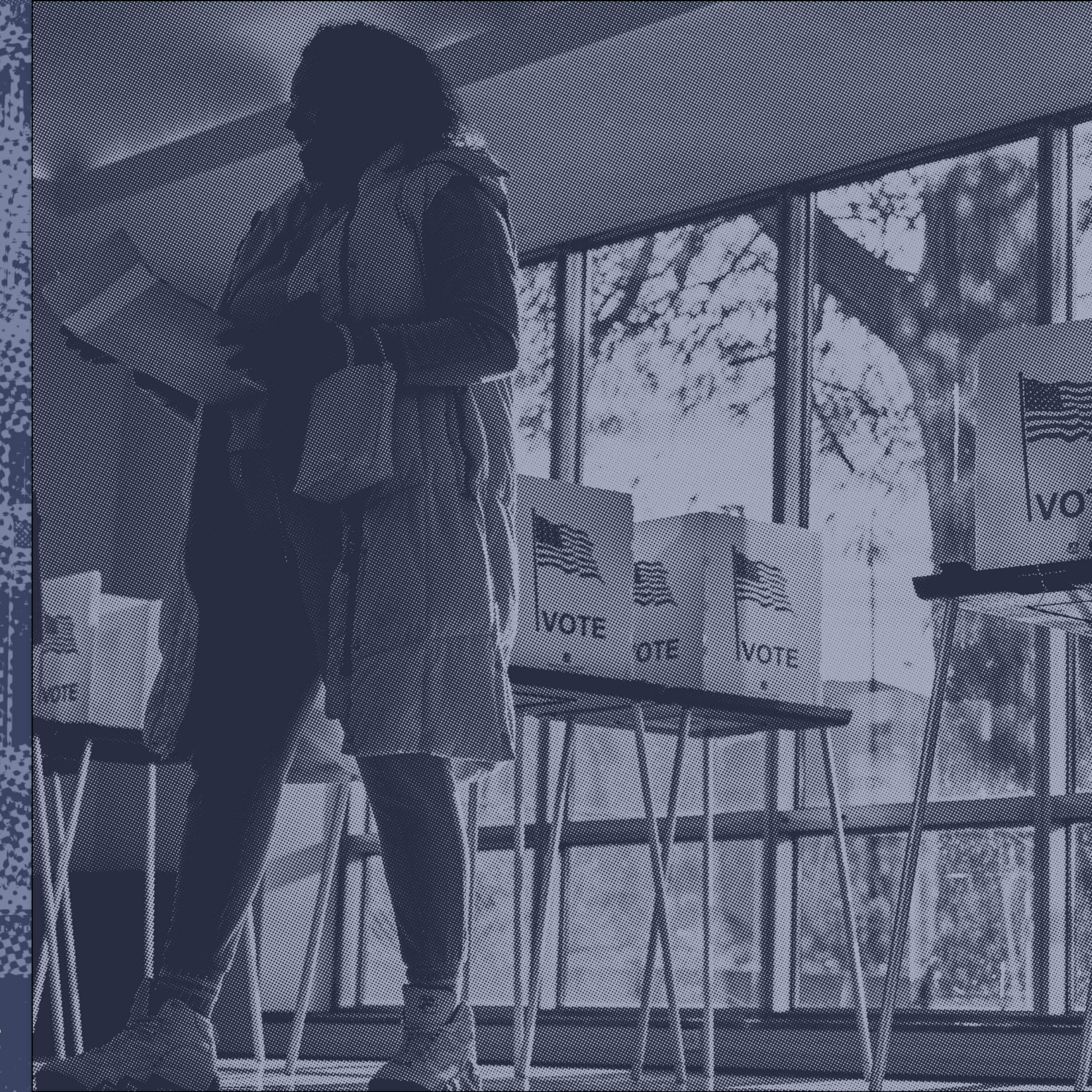
Overview of Elections Officials Prep For Possible Federal Interference In The Midterms
This NPR Politics Podcast episode (hosts: Tamara Keith, Miles Parks, Domenico Montanaro) examines growing, bipartisan concern among state and local election officials that the federal government — and specifically the Trump administration’s rhetoric and actions — could try to interfere with or influence upcoming midterm elections. Officials have moved from quietly worrying to actively planning for a wide range of scenarios that could disrupt voting and intimidate voters.
Key takeaways
- Election officials are actively preparing for "anything and everything" — treating the threat like preparing for a natural disaster: hope for the best, but prepare for the worst.
- Major scenarios of concern include emergency declarations, deployment or proximity of the National Guard, immigration enforcement near polling places, and attempts to exert federal control over state-run elections.
- Legal experts say the Constitution gives the president little direct authority to seize state-run elections, but officials worry about boundary-pushing and chaotic tactics that could suppress turnout or create disorder.
- Concerns are bipartisan: Republican and Democratic local officials alike are contingency-planning.
- The lack of widespread accountability for 2020-era election interference (and the pattern of presidential pardons) is seen as lowering the deterrent against repeat attempts.
Notable quotes:
- An election official described preparations as being like preparing for a hurricane or big snowstorm: “hope for the best but prepare for the worst.”
- A county clerk summed up the current posture: “What’s the next crazy hairball thing that’s going to pop up? … Our bingo cards keep getting bigger and bigger.”
Scenarios officials are preparing for
- Emergency declarations tied to elections that the president could attempt to use to justify federal action.
- Deployment of the National Guard or federal agents near polling places — not necessarily inside polling rooms but close enough to intimidate voters.
- Immigration or customs enforcement presence near voting sites (e.g., ICE/CBP), potentially deterring citizen voters fearful for family/community members.
- Administrative pressure on state and local election officials (phone calls, public pressure, requests to change counts or certify results).
- Mid-decade redistricting or other procedural changes aimed at shifting electoral advantage.
Legal and political context
- States and localities administer elections; the president has limited constitutional authority over state-run elections.
- Many proposed or imagined tactics (troops at ballot boxes, immigration enforcement at polling places) would violate federal election law, but officials worry about attempts that push or skirt legal boundaries.
- The White House response cited in the episode categorized some concerns as “conspiracy theories” and did not publicly rule out such actions.
- State-level prosecutions (e.g., convictions like Tina Peters’) and federal pardons are a key part of the accountability gap that worries experts — pardons apply only to federal crimes, not state charges.
Notable cases and examples discussed
- Tina Peters (Colorado): Former county clerk convicted for giving unauthorized access to election equipment. President Trump publicly called for her release, framing her as a whistleblower — a signal to election-denial supporters. Peters’ case is highlighted as a litmus test for accountability.
- California redistricting ballot measure: Despite federal interest and accusations of fraud by national figures, the measure passed overwhelmingly (margins matter — wide margins dampen the potency of fraud claims).
How election officials are preparing
- Strengthening relationships with local law enforcement so on-the-ground responses are coordinated and legally grounded.
- Consulting state and county attorney generals to clarify legal boundaries and rapid legal response options.
- Scenario planning and contingency playbooks (analogized to natural disaster readiness).
- Close monitoring for any federal moves (executive orders, emergency declarations, public directives) that could create legal crises or confusion at polling sites.
Risks and implications
- Even if illegal, a visible federal or enforcement presence near polling sites could suppress turnout, especially among communities fearful of immigration enforcement.
- Tight races (decided by dozens or hundreds of votes) are the most vulnerable to both perceptions and effects of interference; small margins make fraud allegations more potent.
- Continued political messaging that claims elections are stolen — regardless of factual basis — helps create the premise used to justify future changes to election rules or extraordinary actions.
- The dynamics of political control matter: officials noted that Republican secretaries of state played a stabilizing role after 2020 by resisting pressure; upcoming midterms could test whether that dynamic holds.
What to watch before and during the midterms
- Any federal emergency declarations or executive actions tied to “election security” or “unrest.”
- Reports of National Guard or federal agents deployed near polling places or election offices.
- High-profile presidential statements urging action on specific local election cases (e.g., calls for pardons or releases).
- State-level prosecutions or pardons involving election workers or activists — these can become rallying points.
- Close local or congressional races where small numbers of disputed votes could trigger major political pressure.
Bottom line
Election officials nationwide are no longer passively worried — they are actively preparing for a range of federal interference scenarios. While legal experts say the president’s direct authority is limited, the combination of pressure, ambiguous actions near polling sites, public rhetoric, and weak accountability from past post-2020 events creates a real risk of disruption or voter deterrence — especially in tight races.