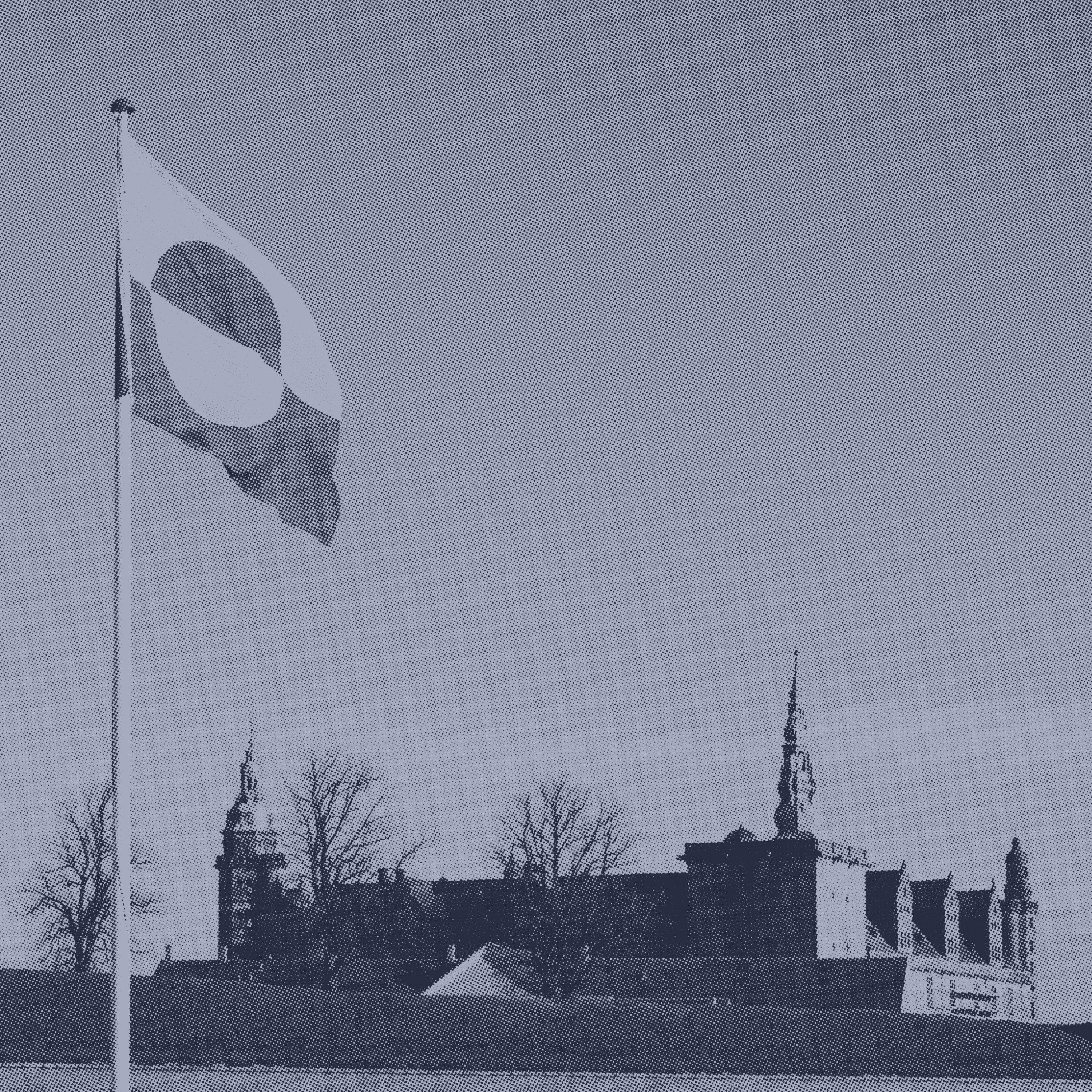
Overview of NPR Politics Podcast (episode: Big problems in a big world)
This episode (Jan. 15, 2026) brings three concurrent foreign-policy flashpoints into focus: mass protests and a brutal crackdown in Iran and the Trump administration’s public threats toward Tehran; President Trump’s renewed push to “own” Greenland and the diplomatic friction that creates with Denmark and NATO; and the White House meeting with Venezuelan opposition leader María Corina Machado amid competing signals from the U.S. about Caracas. Hosts Miles Parks (voting), Franco Ordoñez (White House), and Greg Myre (national security) break down what’s happening, why it matters, and how the administration’s posture fits broader patterns in Trump’s second term.
Key topics covered
-
Iran
- Nationwide protests that began in late December, broad cross‑section participation, and an unusually severe government crackdown.
- Internet and phone outages limiting reporting; videos showing casualties circulating externally.
- Protest motivations: economic collapse and rising calls for change in the clerical regime.
- President Trump’s public messages: “help is on the way,” threats of strong military action (“locked and loaded”), and urging protesters to take over institutions.
- U.S. actions: State Department urging citizens to leave Iran; talk of possible strikes but also recent pause as executions were reportedly halted.
- Risks: potential for escalation, attacks on U.S. bases or by Iranian proxies, but Trump’s preferred model remains short, targeted strikes rather than prolonged ground wars.
-
Greenland
- Trump has publicly pressed for U.S. control of Greenland, framing it as a national-security necessity because of Russian and Chinese activity in the Arctic.
- Denmark’s position: Greenland is semi‑autonomous and protected under NATO; the U.S. has hosted bases there historically and Denmark prefers negotiation, not seizure.
- Strategic context: Greenland hosts U.S. radar/military infrastructure for Arctic defense; Trump’s demand risks straining NATO cohesion and could play into Russian interests if it fractures the alliance.
-
Venezuela
- President Trump met with opposition leader María Corina Machado (described in the episode as a Nobel Peace Prize laureate and popular opposition figure whose party claims victory in 2024).
- Trump has also been in contact with Delcy Rodríguez (the acting president and former Maduro deputy), creating mixed signals from the White House.
- The U.S. appears to be courting both sides as Venezuela remains a geopolitical focal point in the hemisphere.
Main takeaways and analysis
- Trump’s second term shows a markedly more interventionist and militarily assertive posture than his first term: multiple short strikes across countries and more willingness to threaten kinetic responses.
- Messaging to foreign protest movements is limited by communications blackouts on the ground (Iran) — it’s unclear how much U.S. rhetoric influences events inside those countries.
- Greenland illustrates how transactional or blunt geopolitical demands from the U.S. president can create diplomatic headaches with NATO allies and risk unintended strategic consequences (e.g., weakening the alliance).
- Venezuela demonstrates U.S. hedging: the administration is visibly engaging both the opposition and figures tied to Maduro, reflecting a fluid approach to influence in Latin America.
- Across all three cases, rapid developments and limited transparency complicate U.S. decision‑making and raise the risk of escalation or diplomatic rupture.
Notable quotes and characterizations
- President Trump (as reported in the episode): “Help is on the way” and the U.S is “locked and loaded if Iran kills protesters.”
- Framing used by the hosts/guests:
- Iran protests are “the biggest challenge to the government since 1979.”
- Trump’s military approach in this term is described as favoring “one-and-done” short air strikes rather than prolonged ground engagements.
- Greenland push framed as “Trump wants to own Greenland,” with Denmark calling for negotiation.
What to watch next (implications and near-term signals)
-
Iran
- Changes in on‑the‑ground protest activity and casualty/arrest reports as communications intermittently return.
- Any U.S. military posture changes (troop movements, base evacuations, strike authorizations).
- Statements/actions by regional actors and Iran’s proxy networks (possible asymmetric responses).
-
Greenland / NATO
- Formal diplomatic talks between Denmark and the U.S.; public NATO reactions.
- Any expansion of U.S. military presence in Greenland or renewed base agreements.
- European response: unified pushback would blunt U.S. attempts to seize control; disunity could lead to wider NATO strain.
-
Venezuela
- Follow-up U.S. policy signals (recognition, sanctions relief, aid, or support) toward either Machado or Maduro/acting leadership.
- Domestic Venezuelan reactions to U.S. engagements and any shifts in on‑the‑ground power dynamics.
Bottom line
The episode ties together three flashpoints to show a coherent pattern: the Trump administration in its second term is more willing to use military force, more direct in territorial and strategic demands, and less consistent diplomatically—raising the risk of escalation, alliance strain (especially NATO), and mixed messaging that complicates U.S. influence abroad. Listeners should monitor diplomatic responses from allies, on‑the‑ground communications in contested countries, and any concrete military moves that follow presidential rhetoric.