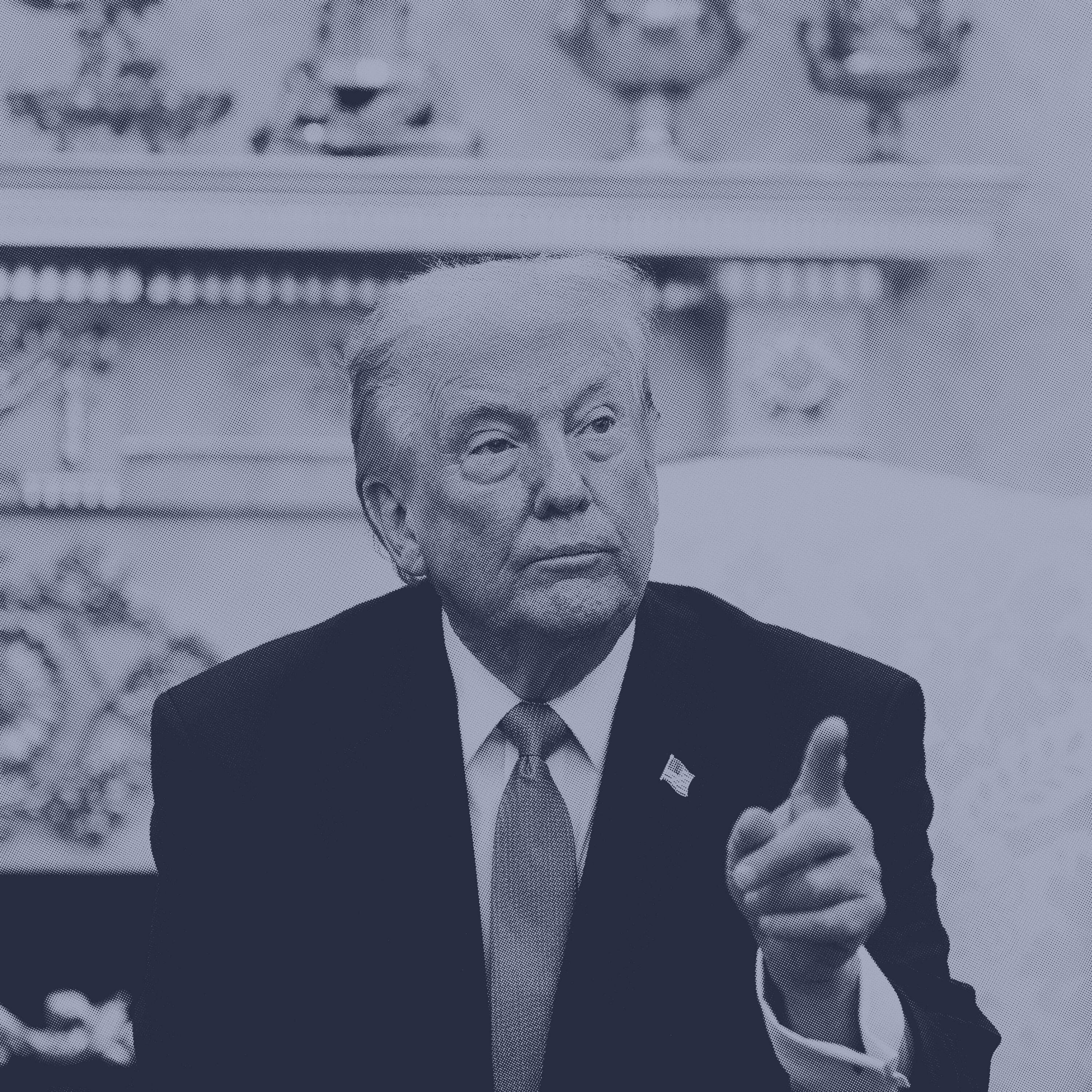
Overview of the NPR Politics Podcast episode: “After Trump’s push, Senate debates the ‘SAVE America Act,’ but can it pass?”
This episode examines the SAVE America Act — a Republican-led, national election overhaul pushed by President Trump — its major provisions, how the Senate is handling debate, and whether it has any realistic path to passage. Hosts Tamara Keith, Miles Parks, and Barbara Sprunt break down what’s in the bill, the procedural hurdles in the Senate (including the filibuster and the “talking filibuster”), the political calculations for both parties, and expert views on who would be affected if it became law.
Key provisions of the SAVE America Act
- Photo ID requirement for all voters nationwide.
- Documentary proof of citizenship to register (e.g., passport or birth certificate) — a core and controversial requirement.
- Restrictions on mail-in ballots and online or mail voter registration (would generally require in-person submission of citizenship documents).
- The House-passed version does not include the nationwide transgender-sports or ballot-access transgender provisions President Trump has publicly pushed for.
- Additional, varied provisions beyond the headline items.
Senate status and procedure
- The Senate voted to take up the bill and is in active debate. It only needed a simple majority to begin debate.
- Senator Lisa Murkowski (R-AK) joined Democrats in opposing taking up the bill; she cited implementation concerns, especially in rural areas.
- The bill faces a high likelihood of failure because Democrats are unified against it and not all Republicans support it.
- Two filibuster-related strategies:
- Talking filibuster: Opponents can force long debate and amendments, potentially wearing down the majority. It would require many GOP senators to be present constantly to overcome; leadership says Republicans can't sustain it.
- Eliminating the filibuster entirely (the “nuclear option”) would allow passage with a simple majority, but that would erode minority protections and is politically risky for the GOP if they lose control later.
Political implications and partisan dynamics
- Nationalization of elections: The bill would federalize rules that states currently control; some conservatives and longtime GOP leaders have historically opposed such nationalization.
- Trump’s political strategy: He’s prioritized the bill, reportedly saying he won’t sign other legislation until it passes and framing it as “saving” the country — using strong rhetoric that could lay groundwork to delegitimize future elections if results are unfavorable.
- Internal GOP tensions: Some senators (e.g., Sen. Thune) and other Republicans worry about the political and institutional consequences of changing filibuster rules or imposing national standards.
- Potential mismatch between intent and effect: Experts caution restrictive voting measures often disproportionately affect lower-income, lower-education, rural, and otherwise lower-propensity voters — groups that helped Trump in 2024 — and could end up hurting Republicans in some contexts.
Evidence and expert analysis
- Little evidence of large-scale noncitizen voting exists despite long-standing claims; federal agencies and state investigations have not substantiated the mass illegal voting narrative.
- Practical burdens: Proof-of-citizenship requirements (birth certificates, passports) can be expensive or difficult to obtain for many and could disproportionately disenfranchise people lacking easy access to documents or in-person submission points.
- Public polling: Voter ID and “only citizens should vote” questions poll well in general terms, but specifics matter. Support drops when polls specify passport/birth-certificate requirements or explain effects on registration access.
- Political scientists (e.g., Paul Gronke) suggest restrictive rules can disproportionately reduce turnout among voters who are lower-propensity and may not be easily replaceable by others — meaning uncertain partisan advantage.
Notable quotes and framing from the episode
- “If there was some sort of nationwide election fraud problem, a bill like this might make a lot more sense… but there’s just never been proof of that.” — Hosts summarizing experts’ view.
- “This would be the broadest nationalization of elections in American history.” — Citing Notre Dame law professor Derek Mueller on the bill’s scope.
- The hosts note the President frames the bill as existential, rebranding it as the “SAVE America Act” and tying it to saving the republic.
Key takeaways
- The SAVE America Act stacks major, nationwide election changes onto existing state-controlled systems — especially proof-of-citizenship and photo ID mandates — and would reduce access to registration and mail/online processes.
- Passage in the Senate is unlikely: unified Democratic opposition, GOP divisions, logistical limits on a talking filibuster, and political risk make success improbable.
- The law’s practical effects could disproportionately impact rural, low-income, and lower-education voters — groups that are politically consequential and may cut against the bill’s intended partisan benefits.
- Much of the bill’s political utility for Trump may be symbolic and strategic: pressing the issue publicly even if it fails lets him claim he tried to “fix” elections and to frame future losses as illegitimate to his base.
- Experts argue the bill is a solution to a largely unproven nationwide problem (noncitizen voting), and adopting it quickly would create serious administrative chaos for election officials.
What to watch next
- Whether Senate GOP leaders attempt either a sustained talking filibuster or a push to change/eliminate the filibuster rule.
- Any Senate amendments or compromises (e.g., narrowing proof-of-citizenship requirements to photo ID only) and whether the White House will accept them.
- State-level adoption of similar measures and legal challenges if passed.
- Messaging and mobilization effects going into the midterms — whether the debate energizes or depresses particular voter groups.
- Continued investigations or evidence from federal/state agencies about noncitizen voting claims.
If you want a one-line summary: The SAVE America Act would federalize strict voter-ID and proof-of-citizenship rules and restrict mail/online registration, but it faces major procedural, legal, and political obstacles in the Senate and risks disenfranchising vulnerable voters while offering little evidence it would fix a real nationwide problem.