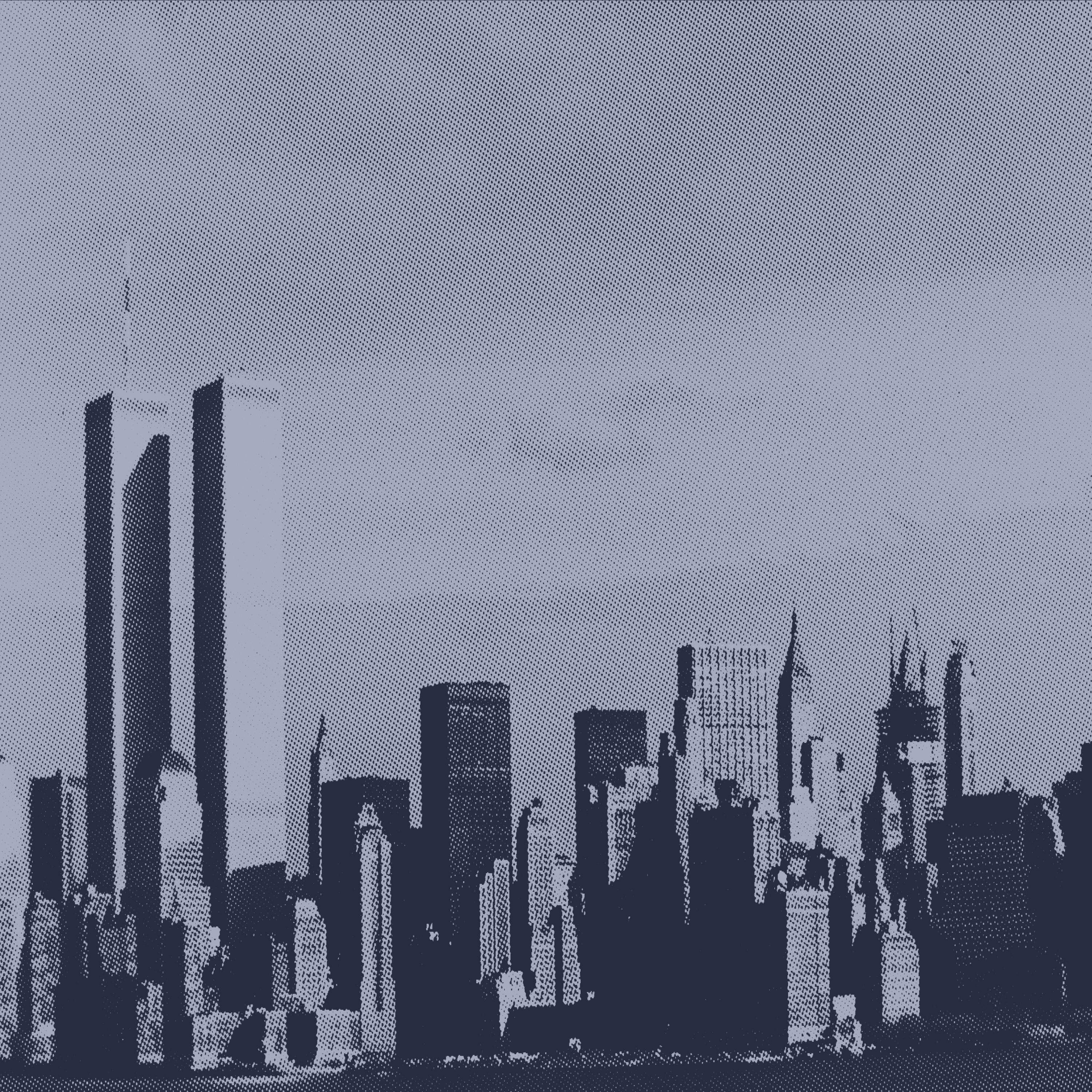
Overview of The legacy of 9/11 by NPR
This episode of the NPR Politics Podcast examines how the September 11, 2001 attacks reshaped American foreign policy, domestic security, the military, and public trust over the past 25 years. Hosts Miles Parks, Greg Myrie, and Ryan Lucas trace the immediate aftermath of the attacks and explain how the U.S. response created a new era of “global war on terror,” expanded surveillance and executive power, and left a long legacy of war, fear, and political distrust.
The immediate aftermath of 9/11
The attacks and the national shock
- President George W. Bush was in Florida when the attacks unfolded.
- The U.S. was hit by four hijacked-plane attacks:
- Two on the World Trade Center
- One on the Pentagon
- One in Shanksville, Pennsylvania
- Nearly 3,000 people were killed.
- Bush’s initial response framed the event as an attack on the country and pledged to find and punish those responsible.
A new kind of conflict
- The discussion emphasizes that 9/11 was unlike previous wars:
- The enemy was not a single nation-state.
- The threat was a terrorist network, primarily al-Qaeda, operating from Afghanistan under Taliban protection.
- The episode compares the shock to Pearl Harbor, but notes the U.S. did not know exactly who was behind the attacks at first.
How 9/11 changed U.S. foreign policy and war-making
The Authorization for Use of Military Force (AUMF)
- Congress passed the AUMF just days after the attacks.
- It authorized the president to use force against those who planned, authorized, committed, or aided 9/11.
- The law became the legal foundation for a broad, long-running military campaign.
The war in Afghanistan
- U.S. forces entered Afghanistan quickly after 9/11.
- The Taliban was driven from power within months.
- But the episode highlights:
- The lack of a clear long-term plan for nation-building
- The difficulty of stabilizing Afghanistan while fighting continued
- The eventual collapse of expectations that the war would be short or decisive
Expansion beyond Afghanistan
- Over time, the AUMF was used to justify operations in multiple countries and against multiple groups, including:
- Yemen
- Somalia
- Nigeria
- Libya
- The Philippines
- Presidents from both parties used the law to justify military actions far beyond the original Afghanistan mission.
Drone warfare and the changing nature of conflict
- The U.S. increasingly relied on drones and targeted strikes.
- That shift made it easier to conduct operations without large numbers of troops on the ground.
- The episode notes that terrorist groups also adapted:
- From centralized, coordinated attacks
- To decentralized “lone actor” attacks using readily available weapons or vehicles
Domestic transformation after 9/11
Creation of the Department of Homeland Security
- DHS did not exist before 9/11.
- It was created in 2002 by combining more than 20 agencies and departments.
- Its mission was to protect the homeland and prevent another attack.
The FBI and intelligence overhaul
- The FBI shifted thousands of agents to counterterrorism.
- The CIA and NSA also transformed to focus more heavily on terrorism, tracking networks, and monitoring threats.
- These agencies became more intelligence-driven and prevention-focused.
Surveillance, the Patriot Act, and civil liberties
- Congress passed the Patriot Act, expanding surveillance and investigative powers.
- Some programs were public; others, such as warrantless surveillance, were secret for years.
- Edward Snowden’s 2013 revelations exposed the scale of bulk data collection and sparked major public backlash.
- The episode frames the central tension as:
- security and prevention
- versus privacy and civil liberties
The broader legacy: fear, anger, and distrust
Public fear and military culture
- After 9/11, there was a surge of patriotism and military enlistment.
- The U.S. then entered a 25-year period of nearly continuous military involvement overseas.
- The episode points to:
- Roughly 7,000 Americans killed
- Tens of thousands wounded
- Many cases of PTSD
- Growing disillusionment among troops and the public
Iraq, WMD claims, and distrust
- The Iraq War is presented as a major turning point.
- The Bush administration’s claims about weapons of mass destruction were later proven false.
- This helped deepen distrust of:
- the government
- the intelligence community
- the media, which many believe failed to challenge those claims strongly enough
Muslim Americans and social division
- The episode also highlights the fear and suspicion directed at Muslim communities after 9/11.
- It notes:
- heightened scrutiny by law enforcement
- social backlash and discrimination
- continuing political rhetoric targeting المسلمين/Muslims in some corners of U.S. politics
Are Americans safer now?
The panel’s assessment
- The guests largely agree the U.S. is safer from another attack on the scale of 9/11.
- Reasons include:
- better intelligence sharing
- tighter aviation security
- expanded surveillance and counterterrorism capabilities
- improved global monitoring of communications and networks
But the threat has evolved
- Large, coordinated attacks are harder to plan and execute now.
- Lone-actor or small-cell attacks remain possible and difficult to stop.
- The current threat landscape is more fragmented and decentralized than in 2001.
Main takeaways
- 9/11 reshaped American policy for decades: It launched the global war on terror and expanded U.S. military action worldwide.
- Emergency powers became long-term tools: The AUMF and post-9/11 surveillance powers stretched far beyond their original purpose.
- Security came with tradeoffs: Americans accepted more surveillance and less privacy in exchange for protection.
- The wars had lasting costs: Afghanistan, Iraq, and other conflicts produced immense human and political consequences.
- Trust eroded: False claims, secret programs, torture, and surveillance contributed to widespread skepticism toward government and media.
- The legacy is still active: The U.S. is safer in some ways, but still wrestling with the consequences of how it responded to 9/11.
Final reflection
The episode’s central conclusion is that the post-9/11 era has been defined by fear and anger—fear of another attack, and anger over the attacks themselves. Those emotions shaped U.S. wars, surveillance policy, domestic institutions, and public life, leaving a legacy that still influences American politics and national security today.