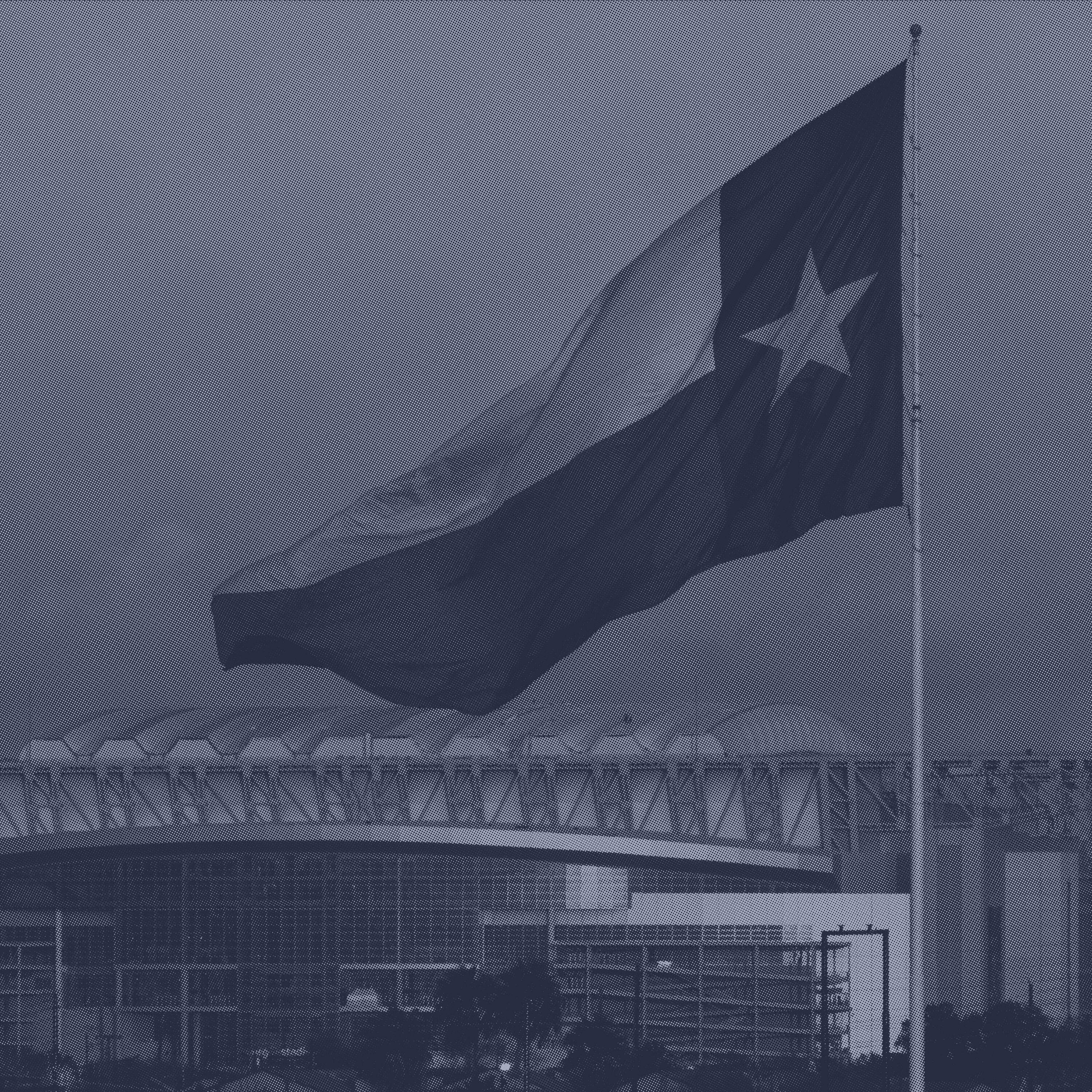
Overview of Texas: Democrats' eternal hope
NPR’s Politics Podcast looks at why Texas is suddenly one of the most closely watched political battlegrounds in the country. With expensive TV ads, energized campaigns, and tight polling in both the governor’s race and the Senate race, Democrats are again hoping Texas might finally be turning purple — but history, turnout patterns, and Republican advantages make that a steep climb.
What the episode is about
This episode focuses on the 2026 midterm landscape in Texas, where Democrats are trying to break a decades-long losing streak in statewide races. The hosts discuss:
- The surprisingly competitive governor’s race
- A close, high-stakes Senate race
- The impact of Trump, the economy, and voter demographics
- Why Texas remains so difficult for Democrats to win statewide
The governor’s race: Abbott vs. Hinojosa
Why it matters
Governor Greg Abbott is seeking a fourth term, but this race appears tighter than his previous reelections.
Key points
- Abbott has generally been politically durable in Texas, surviving major controversies and still winning comfortably in past cycles.
- Democratic state Rep. Gina Hinojosa is running on affordability, school issues, and making life cheaper for families.
- The main economic pain points in Texas include:
- High property taxes
- Rising housing costs
- High energy costs
- The spread of AI/data centers, which are unpopular in some communities because of their effect on electricity bills
Main takeaway
Democrats believe the cost-of-living squeeze could make Abbott more vulnerable than usual, but the race is still an uphill battle in a state where Democrats have not won statewide since 1994.
The Senate race: Talarico vs. Paxton
Transcript correction: The Democratic candidate is most likely James Talarico (not “Tallarico”), a Texas state representative.
Why it’s competitive
The race is tighter because Republican Attorney General Ken Paxton is a deeply controversial candidate.
Paxton’s baggage
The episode reviews Paxton’s long list of scandals:
- Securities fraud indictment earlier in his career
- Impeachment by the Texas House in 2023 over bribery allegations
- Accusations of retaliation against whistleblowers in his office
- Legal settlements paid with taxpayer money
Why Democrats see an opening
- Talarico has led in many polls since the primary
- Democrats see Paxton as vulnerable because of his scandals
- Republicans have poured massive money into ads to keep the seat
Main takeaway
This is one of the few Texas races where Democrats can plausibly argue that a Republican candidate’s weaknesses, not just a favorable environment, give them a real shot.
How Trump fits into the picture
Trump is not on the ballot, but his influence is
The hosts note that Trump is not literally on the ballot, but his economic legacy is a major factor in both races.
Important points
- Trump’s approval rating in Texas is lower than many might expect for a state he has won comfortably
- The economy is the bigger issue than Trump personally
- Voters are feeling pressure from:
- Gas prices
- Housing costs
- Food inflation
- Broader financial stress
Latino voters
A significant part of the discussion centers on Latino voters, who are a crucial swing bloc in Texas:
- Republicans have benefited from some recent Latino movement toward Trump
- But that support appears to be softening
- Texas Latinos, especially working-class voters, are sensitive to cost-of-living issues
- Republicans cannot assume 2024 trends will automatically carry over to this cycle
Why Texas is still hard for Democrats
Structural and turnout challenges
The hosts stress that Texas remains a tough state for Democrats because of both politics and election mechanics:
- No online voter registration
- Limited mail voting compared with other states
- Midterm turnout is much lower than presidential-year turnout
- Young voters and Latino voters drop off sharply in midterms
- Organizing in Texas is expensive because of the state’s size and pricey media markets
The larger problem
Even when Democrats make gains in polls or fundraising, they still have to overcome:
- Deep Republican infrastructure
- Lower turnout among core Democratic-leaning groups
- The sheer difficulty of registering and mobilizing new voters
Campaign strategy and messaging
Talarico’s approach
Talarico is trying to broaden his appeal by:
- Appearing on Fox News and keeping lines of communication open with Republicans
- Taking a more moderate tone
- Speaking directly to religious voters
- Framing Paxton as corrupt and tied to special interests
- Linking corruption to everyday economic pain, especially around data centers and energy costs
The anti-Paxton message
One of the clearest lines of attack is simply that Paxton is corrupt — a message that appears widely in ads and even on billboards.
Bottom line
Texas is once again the place where Democrats’ long-shot hopes are getting tested. The environment looks better than in many past cycles, especially with economic frustration, a weak Republican candidate in Ken Paxton, and some erosion in Trump’s standing. But Texas remains one of the hardest states in the country for Democrats to win statewide, and the episode makes clear that close polls do not automatically translate into victory.
Notable takeaways
- Texas is unusually competitive in both the governor’s race and the Senate race.
- Democratic hopes are being driven more by Republican vulnerability than by a complete partisan realignment.
- The cost of living, not just ideology, is the dominant issue for many voters.
- Latino and younger voters could be decisive, but midterm turnout is a major obstacle.
- Democrats have been here before — and Texas history says optimism should be tempered.