Overview of NPR Politics Podcast
This NPR Politics Podcast episode centers on a growing theme in Washington: some Republicans are starting to resist President Trump when his priorities clash with their own political, constitutional, or electoral interests. The hosts discuss how a budget package stalled on Capitol Hill over Trump-backed provisions, why GOP lawmakers are pushing back on a DOJ “anti-weaponization” fund and war powers questions, and how Trump’s foreign-policy moves in Cuba and elsewhere reflect both politics and personal style. The episode also covers the messy Democratic National Committee “autopsy” of the 2024 election and ends with the hosts’ favorite things they couldn’t let go of this week.
Republicans Push Back on Trump’s Agenda
Budget package stalls in Congress
Lawmakers left Washington without voting on a major budget package tied to:
- immigration enforcement funding
- a multi-year spending deal
- Trump’s broader policy agenda
The package ran into trouble because Republicans were uneasy about two Trump-driven add-ons:
- $1 billion for Secret Service funding tied to Trump’s ballroom project
- a $1.776 billion DOJ anti-weaponization fund
Why the anti-weaponization fund was a problem
The hosts explain that the fund became politically toxic because:
- it was described as potentially paying reparations or restitution
- Trump officials suggested it could possibly benefit January 6 defendants
- many Republicans found that idea unacceptable, especially since some of those people were accused of attacking police or lawmakers
There was also a constitutional issue: Congress holds the power of the purse, not the president. The panel notes that Trump effectively tried to direct spending unilaterally, which raised serious Article I concerns.
GOP defections and “YOLO” Republicans
The episode highlights several Republicans willing to cross Trump:
- Sen. Bill Cassidy of Louisiana, who voted with Democrats on a war powers resolution related to Iran
- Rep. Thomas Massie of Kentucky, who continues to challenge Trump on multiple issues
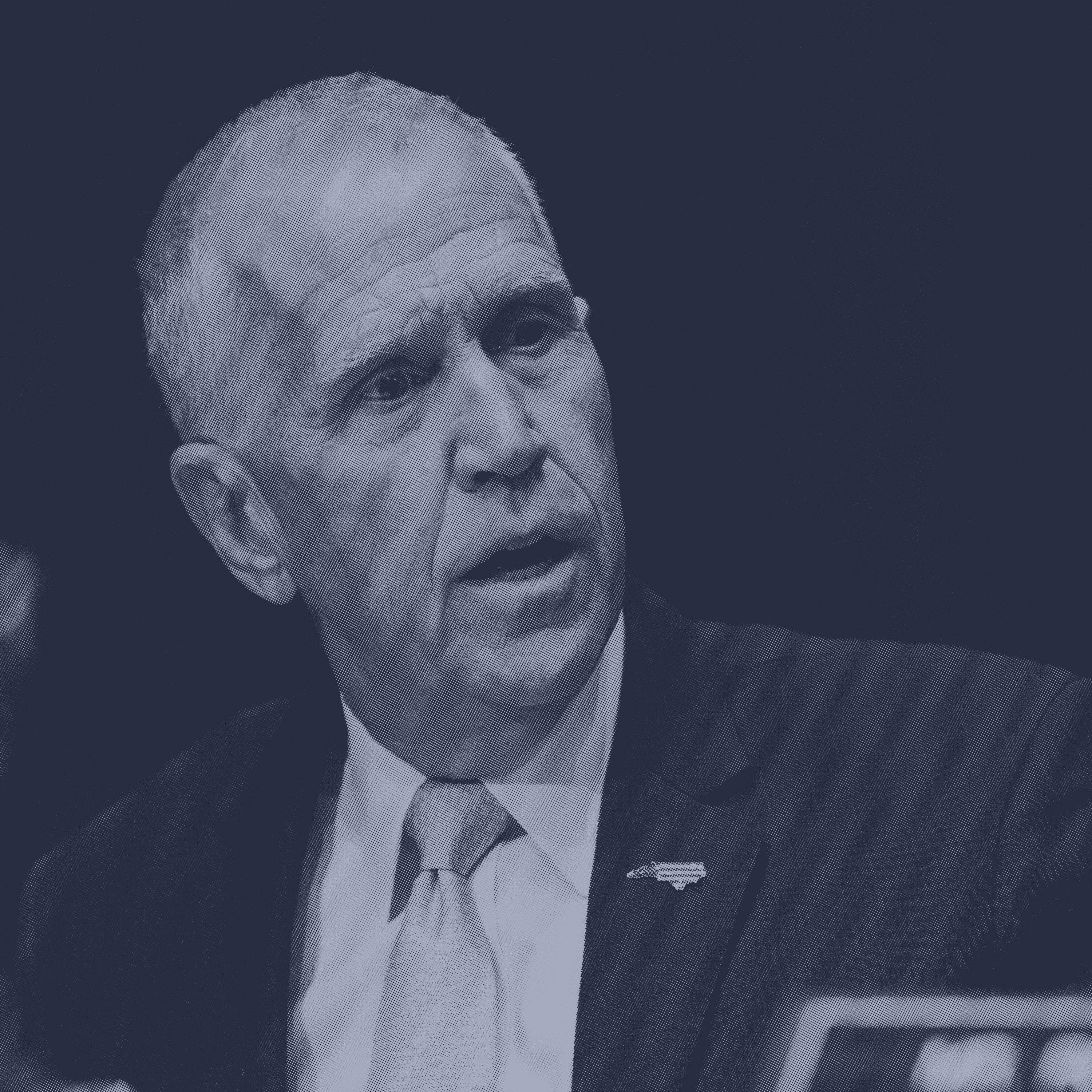
- Sen. Tom Tillis of North Carolina, who called the fund “stupid on stilts”
- Sen. John Thune, who said the administration still has “a lot of questions to answer”
The hosts suggest Trump has misread the room, assuming his personal grievances were the party’s grievances. Instead, many Republicans are focused on their districts, their constituents, and the 2026 midterms.
War Powers resolution over Iran
A separate flashpoint is Trump’s military posture toward Iran. The panel notes:
- Congress is supposed to authorize sustained military conflict
- the 60-day War Powers window has passed
- some Republicans are now willing to vote to rein in the president
That pushback reinforces the broader point: Trump can still dominate the party, but not every agenda item automatically gets Republican support.
Trump’s Cuba Move and Foreign Policy Politics
DOJ indictment of Raúl Castro
White House correspondent Franco Ordoñez joins to discuss the DOJ’s indictment of Raúl Castro, linked to the 1996 shootdown of planes operated by the exile group Brothers to the Rescue.
Key details:
- the case goes back about 30 years
- four people died, including three U.S. citizens
- the move is largely symbolic, but politically important
Why now?
The hosts argue the indictment fits into a broader pressure campaign against Cuba and reflects several political motivations:
- Trump wants a foreign-policy win
- he is appealing to Cuban-American voters, especially in Florida
- Marco Rubio, both Secretary of State and national security adviser, has long made Cuba a signature issue
The panel also notes that Trump’s foreign-policy posture increasingly seems shaped by:
- his legacy instincts
- his Florida political environment
- a desire to show he is doing things “other presidents couldn’t”
They contrast Trump’s campaign promises to avoid endless wars with the reality that:
- the Iran conflict is contributing to higher gas prices
- tariffs have raised prices on many imported goods
- some of his “America First” moves are harder to justify in terms of direct U.S. interests, especially Cuba
The DNC “Autopsy” of 2024
A familiar post-election exercise
Domenico leads a discussion of the Democratic National Committee’s internal report on what went wrong in 2024. The hosts are skeptical of such “autopsies,” arguing that political parties often overlearn the wrong lessons.
Their point: similar reports have come and gone before, and history shows that:
- parties declared doomed after losses often bounce back
- strategic advice that seems obvious in one cycle can be irrelevant in the next
Main takeaways from the report
The report points to problems Democrats have been discussing for some time:
- weakness with working-class voters
- underperformance with Latino men
- losing ground with younger voters
- overreliance on affluent suburban voters
- difficulty delivering a strong economic message
The hosts also note the document’s shortcomings:
- it was incomplete
- it had no real conclusion
- it reflected the chaotic state of party infrastructure
- it ignored or barely addressed some issues, including Gaza
Bigger lesson
The episode suggests that in today’s political landscape:
- candidates matter more than parties
- modern politics is highly personality-driven
- Democrats can’t assume the report offers a clear roadmap to 2028
Notable Quotes and Takeaways
Memorable lines
- Tom Tillis calling the fund “stupid on stilts”
- The idea that Trump “misread the room”
- The reminder that “candidates matter a whole lot more than parties” in the current era
Main takeaways
- Trump still has strong influence over Republicans, but there are limits
- GOP lawmakers are increasingly willing to push back when Trump’s demands are politically risky or constitutionally suspect
- Trump’s foreign-policy actions are deeply tied to Florida politics, Marco Rubio’s influence, and legacy-building
- The Democratic Party remains uncertain and fragmented despite another election postmortem
“Can’t Let It Go” Segment
Domenico
He picks Harvard’s decision to reduce the number of A’s as something he can’t stop thinking about, questioning whether grade inflation really needs such an arbitrary fix.
Franco
He talks about a soccer scandal in England’s second division, where Southampton was punished for filming other clubs’ training sessions, a potentially massive competitive and financial issue.
Tamara
She says she can’t let go of Stephen Colbert and The Late Show, praising Colbert’s handling of the show’s wind-down and noting that CBS’s replacement plan involves Byron Allen’s syndicated show, which will be sold into the time slot rather than produced in the usual network way.
Bottom Line
The episode’s central theme is that Trump’s power is real, but not absolute. Whether on budget fights, war powers, or foreign policy, Republicans are beginning to show that they won’t always follow him—especially when his priorities threaten their political survival or run into constitutional limits.