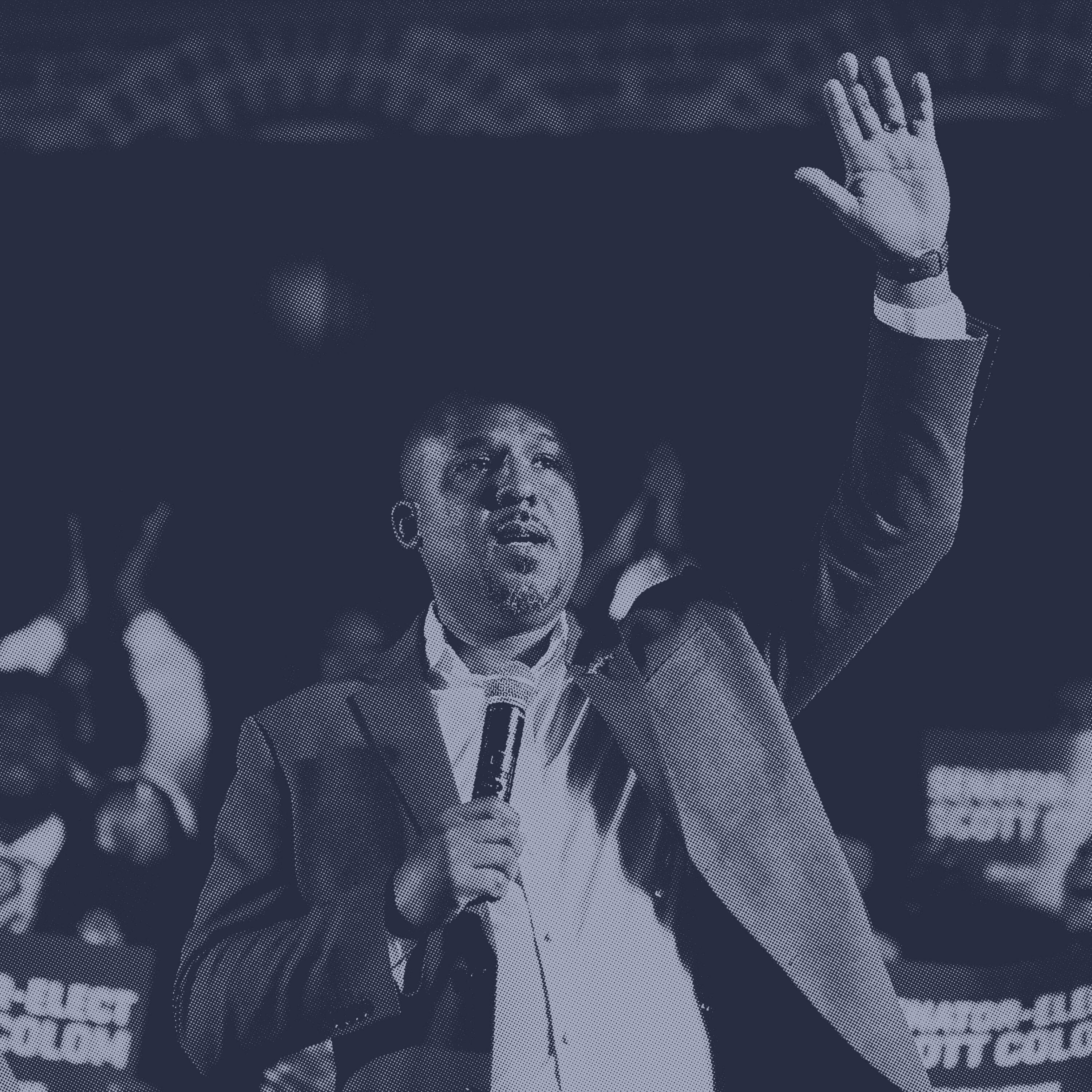
Overview of the NPR Politics Podcast episode “How Democrats overperformed in the South”
NPR’s Miles Parks, Stephen Fowler, and Domenico Montanaro examine a string of unexpectedly strong Democratic results across the South. They point to unusually high Black voter turnout, lower Republican turnout, strong local candidates, and anger over voting rights as key factors. The hosts say the results could reshape expectations for the region, while cautioning that midterm gains do not guarantee Democrats will win these states in presidential elections.
Key election results
- Mississippi elected Democrat Scott Colom to the U.S. Senate, its first Democratic senator in more than 40 years and its first Black senator since Reconstruction. The race was so close that it took more than a week to call.
- Democrats also flipped Senate seats in North Carolina, South Carolina, and Texas, and posted major statewide gains in Georgia and Texas.
- In North Carolina, Democratic turnout rose while Republican turnout fell sharply, producing a much larger win than expected and affecting down-ballot races.
- South Carolina stood out to Miles Parks because the Democratic win was called quickly, despite expectations that any Democratic victory in a deeply Republican state would be close.
Why Democrats gained ground
High Black turnout
Black voters in many Southern counties turned out at levels approaching presidential elections. In Mississippi, Colom received more votes statewide than Kamala Harris had in the previous presidential election. Across several Southern states, Democratic Senate candidates also surpassed Harris’s vote totals in 152 counties, many of them majority-Black.
Republican turnout fell
The hosts describe a broad drop in Republican votes compared with Donald Trump’s totals in key counties. In Mississippi, Republican Cindy Hyde-Smith fell well short of Trump’s vote totals in the state’s ten strongest counties for him. In Texas, Ken Paxton also received substantially fewer votes than Trump had in the state’s largest Trump-voting counties.
Candidates and campaign messages
Colom, a district attorney whose nomination to a federal judgeship had been blocked by Hyde-Smith, built a campaign around affordability and cost of living. Viral ads—including one mocking Hyde-Smith’s suggestion that people choose another protein as beef prices rose—helped introduce him to a wider audience. The hosts also credit strong candidates in other states with energizing Democratic voters.
Voting rights and redistricting
Organizers and voters told Fowler that the Supreme Court’s Callais decision, which they saw as weakening the Voting Rights Act, helped spur turnout. Efforts by several Southern states to redraw congressional maps after the decision also heightened concerns about Black voting power. The hosts note that restrictions on voting access can sometimes provoke a backlash by motivating affected voters to participate.
What the results may mean
The episode leaves open whether the results signal a lasting political shift or a response to a particular midterm environment and an unpopular president. The hosts see Georgia and the wider Sun Belt as increasingly important to national politics, and Texas as a state Democrats may target in future elections. They caution that Republican voters who stayed home could return in a presidential year, but argue that sustained investment and organizing could make more Southern states competitive.