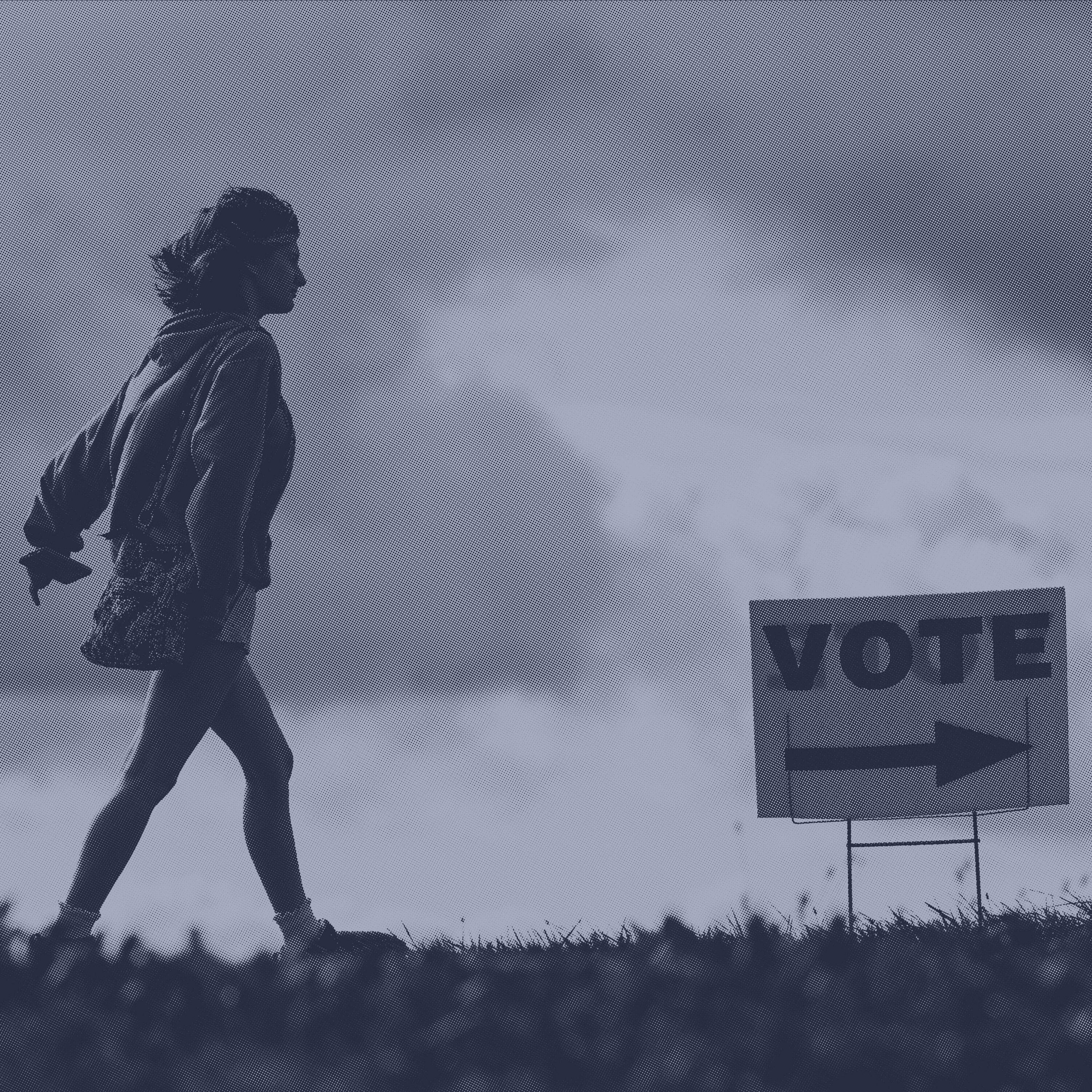
Overview of How badly did partisan gerrymandering backfire?
This NPR Politics Podcast episode is a post-midterm Weekly Roundup focused on the scale of Democratic wins, the muted response from Donald Trump’s election-denial machine, and whether Republicans’ partisan gerrymandering strategy helped or hurt them. The panel also breaks down still-uncalled Senate races in Alaska and Mississippi, and closes with a “Can’t Let It Go” segment on Elon Musk, campaign money, and an unexpected D.C. ballot measure.
Key Takeaways
- Democrats won far more decisively than expected, creating a “blue wave” that outpaced Republican efforts to shape the map through redistricting.
- Trump’s usual election-denial playbook mostly didn’t activate after the losses:
- He accepted the results more readily than in 2020.
- Far-right fraud narratives stayed mostly online instead of becoming a mainstream GOP message.
- The large margin of defeat made denial harder to sustain.
- Republican-aligned gerrymandering appears to have backfired in several places, especially where GOP mapmakers assumed certain voters would remain reliably Republican.
- Latino voters, especially in South Texas, were a major swing bloc and moved sharply away from Republicans in response to immigration and economic policies.
Election Denial After the Midterms
The hosts note how unusual it was that Trump did not immediately lean hard into claims of fraud after a major GOP loss.
Why the denial machine stalled
- The panel suggests election denial works best when it is amplified by Trump himself.
- Without Trump making it central, conspiracy theories remained fragmented and did not gain traction.
- The size of the Republican defeat also reduced the incentive and plausibility of challenging the outcome.
A notable theme
- The conversation emphasizes that voters — including some Republicans — may be tired of the endless 2020-election narrative.
Race Updates: Alaska and Mississippi
Alaska Senate race
- Results were still pending because of Alaska’s delayed ballot-counting process.
- Democrat Mary Peltola held a narrow lead, but the outcome remained uncertain.
- Reasons for delay:
- Ballots could still arrive for days after Election Day if postmarked on time.
- Overseas ballots had an even later deadline.
- Alaska’s ranked-choice voting tabulation could further delay final results.
Mississippi Senate race
- The race was unexpectedly competitive in a deep-red state.
- Counting was also slow, with many provisional ballots and unclear totals for outstanding ballots.
- The process was described as unusually opaque:
- County-by-county control means the state lacked centralized visibility.
- Officials themselves were unsure how many ballots remained.
- The panel notes that if this were a battleground state like Georgia or Arizona, the public would likely see much more transparency and media attention.
Did Partisan Gerrymandering Work?
Short answer: no — or at least not in the way Republicans hoped.
Main point
- Republicans tried to redraw maps to lock in an advantage in a tough year.
- But the redistricting could not overcome the scale of the Democratic wave.
Texas as the key example
- Texas Republicans redrew maps assuming some Latino voters would continue trending Republican.
- That assumption failed badly.
- In many South Texas districts, Democrats saw huge swings, in some cases around 30 points.
- The panel argues this was especially damaging because:
- Immigration policy alienated many Latino voters.
- Economic disruption and fear in immigrant communities made Republican messaging backfire.
Broader lesson
- When mapmakers assume a voter bloc has permanently shifted, they risk building on a false premise.
- In several states, the panel suggests Republicans might have been better off leaving the maps alone.
Is This a Political Realignment?
The hosts debate whether the election signals a lasting shift in the electoral map.
Why it may be a realignment
- Democrats won not just congressional races, but also important governor’s races.
- Those governorships matter because they provide:
- campaign infrastructure
- party organization
- influence in future presidential cycles
- The party now looks competitive in major states like Texas and Ohio, which is a dramatic change from earlier fears of Democratic decline.
Why it may not last
- The panel is cautious about reading too much into one cycle.
- Midterms and off-year elections tend to favor Democrats.
- 2028 could look very different if lower-propensity voters return or if Trump is not on the ballot.
Notable Quote / Insight
One of the sharper lines from the discussion:
- “The weave was no match for the wave.”
That captures the episode’s central argument: Trump’s political narrative and the GOP’s map-drawing strategies were no match for the scale of voter backlash.
“Can’t Let It Go” Segment
Mara Liasson: Elon Musk and big money in politics
- Musk spent roughly half a billion dollars to help Republicans.
- It did not produce the intended results.
- The panel jokes about how even enormous sums of money can fail to determine an election.
Ashley Lopez: D.C. ballot priorities
- She highlights how surreal it felt that, in Washington, D.C., one of the most notable ballot issues was a foie gras ban.
- The segment underscores how local politics can feel wildly different depending on where you are.
Tamara Keith: Cybertruck humor
- She closes with a jab at Tesla’s Cybertruck, calling it an ugly vehicle and noting Musk’s post-election comments about shifting production toward the CyberCab.
Bottom Line
This episode argues that the 2024 midterm results:
- weakened Trump’s election-denial influence,
- exposed the limits of partisan gerrymandering,
- elevated Latino voters as a decisive swing bloc,
- and may indicate a broader shift in the political map.
At the same time, the hosts caution against overreading the results: the long-term durability of this “realignment” remains uncertain.